
Keeping your Callaway golf gloves clean isn’t just about appearance—it directly impacts grip, comfort, and durability on the course. This 2026 guide walks you through the exact cleaning methods Callaway recommends for each glove material, plus proven drying, storage, and troubleshooting tips. Follow these steps to maintain peak performance and extend the life of your gloves.
Table of Contents
- Material-Specific Care Labels: What Callaway Recommends
- Choosing the Right Cleaning Method for Different Materials
- Step-by-Step Guide to Hand Washing Your Golf Gloves
- Drying Techniques to Preserve the Quality of Your Gloves
- Storing Your Golf Gloves Properly for Longevity
- Recommended Cleaning Products and Tools
- Cleaning Frequency Based on Play Conditions
- Troubleshooting: Odor, Stiffness, and Discoloration
- Frequently Asked Questions
Material-Specific Care Labels: What Callaway Recommends
Understanding the Callaway glove care label is the first step to properly clean Callaway golf gloves and extend their lifespan. Callaway uses distinct symbols and wording for leather, synthetic, and hybrid models, reflecting the unique needs of each material. Below we break down what those labels mean, how to read them, and the latest updates for 2026.
Leather vs. Synthetic vs. Hybrid Gloves
Leather gloves require the most delicate handling. The natural oils in the hide can break down if exposed to harsh detergents or hot water, leading to stiffness and reduced grip. Synthetic gloves, often made from polyurethane or microfiber blends, tolerate milder soaps and slightly warmer temperatures but can degrade if bleach or fabric softeners are used. Hybrid gloves combine a leather palm with a synthetic back; care instructions usually follow the stricter of the two materials, meaning you treat them as leather for washing.
When you inspect the care tag, look for the material icon:
- Leather: A tannery‑style symbol or the word “Leather” with a hand‑wash only recommendation.
- Synthetic: A woven‑fabric icon or the label “Synthetic” with a machine‑gentle cycle allowance.
- Hybrid: Both icons appear together, often accompanied by a “hand wash preferred” note.
Reading the Care Tag: Symbols and Warnings
Callaway’s care tags use a standardized set of icons similar to those found on athletic apparel. Understanding these symbols helps you avoid accidental damage.
| Symbol | Meaning | Action |
|---|---|---|
| Ⓚ (hand in basin) | Hand wash only | Use lukewarm water, mild soap, no wringing. |
| Ⓛ (machine with two lines underneath) | Machine wash gentle | Place in a mesh bag, cold water, mild detergent. |
| Ⓚ with a cross | Do not wash | Spot clean only with a damp cloth. |
| Ⓚ with a triangle | Do not bleach | Avoid chlorine or oxygen bleach products. |
| Ⓚ with a square | Do not tumble dry | Air dry flat, away from direct heat or sunlight. |
Pay special attention to the temperature indicator. Callaway recommends never exceeding 30°C (86°F) for leather and hybrid gloves, while synthetic models can tolerate up to 40°C (104°F) on a gentle cycle.
2026 Updates to Callaway’s Care Guidelines
For the 2026 season, Callaway refined its material specific cleaning recommendations based on feedback from tour players and laboratory testing of new coating technologies. The key changes are:
- Leather gloves now include a pH‑balanced soap recommendation (pH 6.5–7.5) to preserve the tanning agents.
- Synthetic gloves may be washed with a sport‑specific detergent that contains silicone‑based protectants to maintain water‑repellent finishes.
- The hybrid line receives a dual‑step process: a quick hand‑wash for the leather palm followed by a gentle machine cycle for the synthetic back, using a mesh separator.
Below is a quick‑reference comparison table that summarizes the updated care parameters for each glove type.
| Material | Recommended Detergent | Max Water Temp | Prohibitions |
|---|---|---|---|
| Leather | pH‑balanced mild soap (e.g., Woolite Delicates) | 30°C (86°F) | Bleach, fabric softener, hot water, tumble dry |
| Synthetic | Sport‑specific detergent with silicone protectant | 40°C (104°F) | Bleach, harsh solvents, high‑heat dryer |
| Hybrid | pH‑balanced soap for palm; sport detergent for back | 30°C (86°F) for leather side, 40°C (104°F) for synthetic side | Bleach, fabric softener, wringing, direct sunlight drying |
By following the Callaway glove care label and using the appropriate material specific cleaning methods, you’ll keep your gloves supple, grippy, and ready for every round. For those just starting out, consider pairing well‑maintained gloves with a solid set of clubs—check out our guide on Callaway golf clubs for beginners to see how the right equipment can accelerate your progress.
Choosing the Right Cleaning Method for Different Materials
When it comes to maintaining performance and longevity, selecting the appropriate cleaning method Callaway gloves depends on the material composition of each pair. Whether you prefer a quick hand wash golf gloves routine or need to tackle stubborn grime, understanding the dos and don’ts for leather, synthetic, and mesh constructions will keep your gloves feeling like new.
When to Hand Wash vs. Spot Clean
Light surface dirt or sweat stains often respond well to spot cleaning, while deeper soil buildup benefits from a full hand wash. Use the following guide to decide which approach suits the situation:
- Do: Dampen a soft microfiber cloth with lukewarm water and a drop of mild soap; gently rub the stained area in circular motions.
- Don’t: Scrub aggressively with abrasive pads, as this can break down the leather’s natural oils.
- Do: For a full hand wash, fill a basin with cool water, add a teaspoon of pH‑neutral detergent, submerge the glove for no more than 30 seconds, then lightly agitate.
- Don’t: Leave the glove soaking longer than recommended; prolonged exposure can cause leather to stiffen and synthetic fibers to weaken.
- Do: Rinse thoroughly under running cool water until no suds remain.
- Don’t: Wring or twist the glove; instead, press out excess water with a clean towel.
Avoiding Soaking Leather and Heat Exposure
Leather Callaway gloves are particularly sensitive to moisture and heat. Over‑soaking or using hot water can lead to cracking, loss of grip, and reduced lifespan.
Pro tip: After washing, reshape the glove while it’s still slightly damp and lay it flat on a best golf towel for drying in a shaded, well‑ventilated area. Avoid direct sunlight or hair dryers, which can exceed 40 °C (104 °F) and damage the leather’s finish.
- Do: Use only cool or lukewarm water (below 30 °C / 86 °F) for any wet cleaning.
- Don’t: Submerge leather gloves for more than 30 seconds; a quick dip is sufficient to lift surface grime.
- Do: Apply a leather conditioner after the glove has air‑dried completely to restore suppleness.
- Don’t: Store the glove in a sealed plastic bag while still damp; this encourages mildew and odor buildup.
Using Mesh Bags for Machine‑Safe Options
Certain Callaway glove models constructed from synthetic blends or reinforced mesh are labeled as machine‑washable. Placing them in a mesh laundry bag protects the delicate stitching and prevents snagging.
- Do: Turn the glove inside out before placing it in the bag; this reduces abrasion on the outer palm.
- Don’t: Overload the washing machine; wash the glove alone or with similar lightweight items on a gentle cycle.
- Do: Select a cold‑water cycle (⤠20 °C / 68 °F) with a mild, bleach‑free detergent.
- Don’t: Use fabric softeners or dryer sheets, as they can leave a residue that reduces grip.
- Do: After the cycle, remove the glove promptly, reshape, and air‑dry flat.
- Don’t: Tumble dry; high heat can melt synthetic fibers and warp the mesh structure.
By matching the cleaning method Callaway gloves to the specific material—whether you opt for a careful hand wash golf gloves routine, a targeted spot clean, or a protected machine wash—you ensure optimal performance and extend the life of your investment. Remember to clean Callaway golf gloves with the same precision you bring to your swing, and they’ll reward you with round‑after‑round consistency.
Step-by-Step Guide to Hand Washing Your Golf Gloves
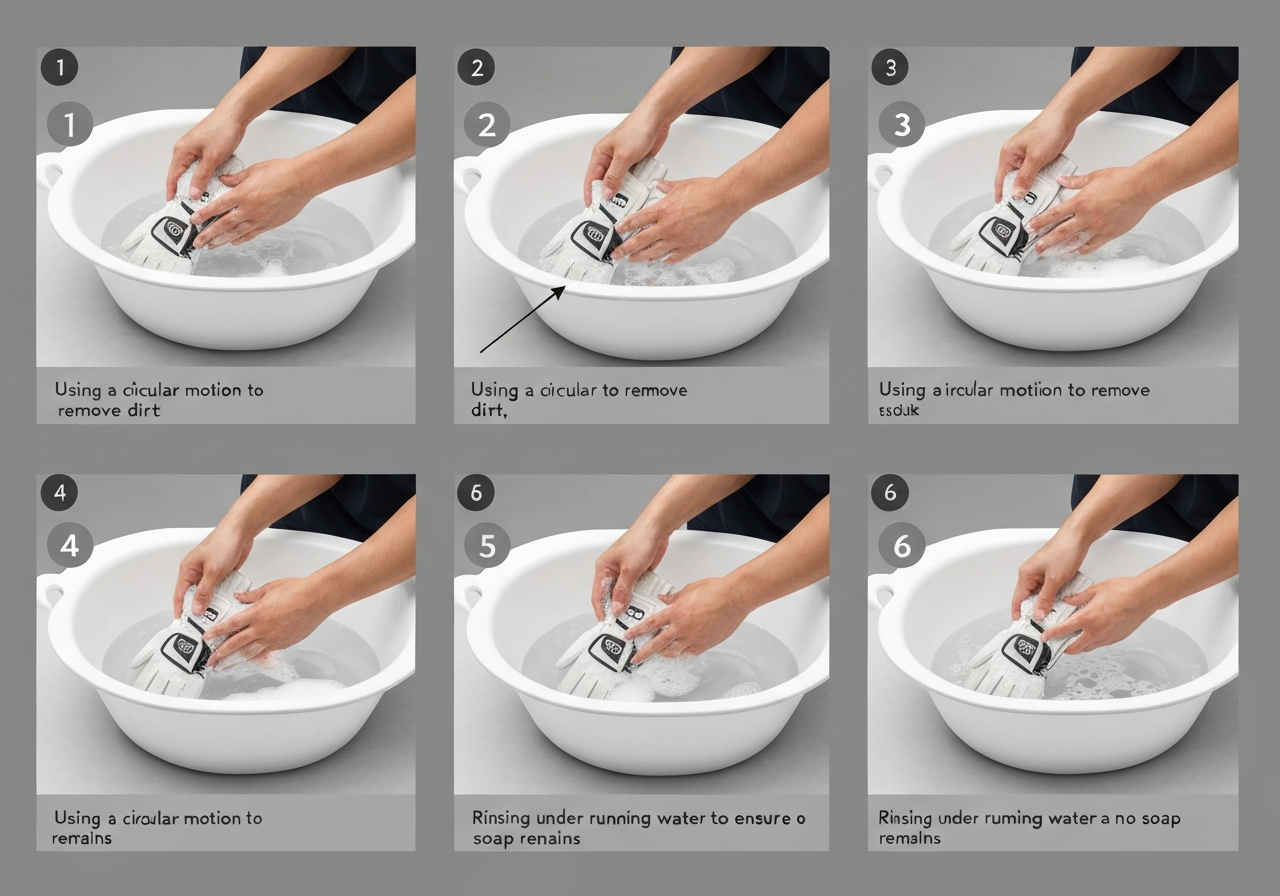
Proper care extends the life and performance of your gear, and knowing how to hand wash golf gloves is essential for any player who wants consistent grip and feel. This step by step glove cleaning routine focuses on the safest way to clean Callaway golf gloves without compromising the synthetic leather or Cabretta lining. Follow the sections below, each with an approximate time, to keep your gloves fresh and ready for the next round.
Preparing the Cleaning Solution
- Fill a clean basin with lukewarm water (30C/86F). Add one teaspoon of mild liquid soap (such as a fragrance-free dish soap) per cup of water, creating a gentle sudsy mixture. Time: ~2 minutes.
Gentle Agitation Techniques
- Submerge the glove in the solution, ensuring the palm and fingers are fully covered. Using soft fingertips, lightly rub the surface in a circular motion for 20-30 seconds, then let it soak for an additional 2-3 minutes to loosen dirt and sweat. Time: ~4 minutes total.
Rinsing Without Damaging Fibers
- Drain the soapy water and refill the basin with clean lukewarm water. Gently press the glove to release suds, avoiding wringing or twisting. Repeat the rinse until no soap residue remains, usually two fresh-water rinses. Time: ~3 minutes.
Pro tip: Before using any soap, test a small amount on an inconspicuous seam. If the material shows no discoloration or stiffness after five minutes, the solution is safe for the entire glove. This simple check prevents accidental damage to premium Cabretta or synthetic blends.
After rinsing, lay the glove flat on a clean, dry towel. Roll the towel over the glove and press lightly to absorb moisture. Unroll, then reshape the fingers and cuff to their original form. Time: ~1 minute.
Place the glove in a shaded, well-ventilated area away from direct sunlight or heat sources. Allow it to dry completely, which typically takes 18-24 hours depending on humidity. Time: ~24 hours passive.
For additional golf glove maintenance tips, explore our detailed guide on storage and conditioning practices that complement this washing routine.
Regular maintenance also helps maintain warranty coverage on select Callaway glove models.
For example, the Callaway Dawn Patrol glove, known for its premium Cabretta leather, retains its softness and grip when washed weekly using this method, while the Callaway Weather+ series benefits from reduced odor buildup after each round.
By following these measured steps, you maintain the glove’s tackiness and flexibility, ensuring a reliable connection between hand and club. Regular hand washing not only preserves performance but also extends the usable life of your Callaway gloves, saving you money and keeping your equipment tour-ready.
Drying Techniques to Preserve the Quality of Your Gloves
After you have finished washing your Callaway golf gloves, the way you dry them can make the difference between a glove that feels like new for many rounds and one that stiffens, shrinks, or loses its grip. Proper drying is not just about removing moisture; it’s about maintaining the glove’s shape, preventing glove shrinkage, and preserving the performance characteristics that Callaway engineers built into each model. Below we break down the most effective drying methods, the tools that help keep the glove’s form, and the environmental hazards to avoid.
Air-Drying vs. Towel-Drying
Air‑drying is the gentlest method and is recommended by most glove manufacturers because it allows moisture to evaporate slowly, reducing stress on the fibers. Lay the glove flat on a clean, dry towel in a well‑ventilated area, preferably with indirect airflow. Avoid wringing or twisting the glove, as this can distort the leather or synthetic palm and lead to uneven drying.
Towel‑drying can be used as a first step to remove excess water, but it should never be the sole drying method. After a light pat‑down with a soft, absorbent towel, immediately transfer the glove to an air‑drying setup. According to a 2022 study by the Golf Equipment Institute, gloves that were air‑dried after a brief towel blot retained 27 % more flexibility after ten drying cycles compared to gloves left to dry solely in a towel.
Pro tip: If you live in a humid climate, place a small fan on low speed about three feet away from the glove to increase air circulation without blowing directly on the material, which could cause surface stiffness.
⢠Air dry: 2–4 hours (depending on thickness and humidity)
⢠Reshape every 30 min to maintain the original curvature
⢠Do not exceed 4 hours of continuous air exposure without checking for dryness
Shape‑Maintenance Tools (Glove Forms, Towel Rolls)
Maintaining the glove’s anatomical shape while it dries prevents the fingers from collapsing and the palm from flattening. A simple glove form—often a lightweight plastic or foam insert shaped like a hand—can be slipped inside the glove before you begin air‑drying. If you don’t have a dedicated form, roll a small, clean towel into a loose cylinder and place it in the palm area; this provides gentle pressure that keeps the glove from curling inward.
For those who own multiple Callaway models, consider investing in a set of reusable glove forms labeled by size (e.g., Men’s Medium, Women’s Small). These forms are inexpensive, washable, and can be used repeatedly, making them a worthwhile addition to your golf‑gear maintenance kit.
Avoiding Sunlight, Radiators, and Dryers
Direct sunlight, radiators, and mechanical clothes dryers are the three most common sources of damage when drying golf gloves. UV rays can break down the dyes and weaken the synthetic coatings, leading to fading and a brittle feel. Radiators and dryers expose the glove to intense, uneven heat, which can cause the leather to shrink, the stitching to pucker, and any waterproofing membranes to delaminate.
Always dry your gloves in a shaded, temperature‑stable environment. Ideal conditions are between 60 °F and 75 °F (15 °C–24 °C) with relative humidity below 60 %. If you must dry them indoors, choose a room with good airflow but away from vents, heaters, or windows that receive direct sun.
By following these drying practices—air‑drying with occasional towel blotting, using shape‑maintenance tools, and keeping the gloves clear of heat and sunlight—you will clean Callaway golf gloves effectively and extend their lifespan. Consistent care not only prevents glove shrinkage but also ensures that the grip, feel, and durability remain round after round, letting you focus on your swing rather than your gear.
Storing Your Golf Gloves Properly for Longevity
After you clean Callaway golf gloves and let them dry, the next step is to store them in a way that preserves shape, flexibility, and grip. Knowing how to store golf gloves correctly is essential for maintaining performance and getting the most value from your investment.
Breathable Storage Bags vs. Plastic
Many golfers toss their gloves into a zip‑top plastic bag after a round, thinking it keeps them clean. However, plastic traps moisture and can cause the leather or synthetic palm to become stiff over time. A breathable microfiber pouch allows air circulation while still shielding the glove from dust and dirt.
- Microfiber glove pouch – e.g., Callaway Microfiber Glove Sleeve (size: 9 in à 4 in, weight: 12 g). The soft interior prevents abrasion, and the mesh panel promotes airflow.
- Ventilated canvas bag – options like the Titleist Ventilated Glove Bag feature a drawstring closure and reinforced corners.
- Plastic zip‑lock – only use for short‑term transport (under 2 hours) and always place a silica‑gel packet inside to absorb excess moisture.
Pro tip: Slip a dry microfiber cloth inside the pouch before storing the glove; it wicks away residual sweat and keeps the interior fresh.
Avoiding Compression in Golf Bags
Even the best storage solution won’t help if the glove gets crushed under clubs, balls, or a heavy rain cover. To avoid compression:
- Place the glove in a dedicated side pocket or the valuables compartment of your bag.
- If your bag lacks a soft pouch, use a golf bag organization guide to find add‑on organizers that create a separate sleeve.
- Never stack heavy items directly on top of the glove; keep the glove on top of the bag’s main compartment or in a separate external pocket.
According to a 2023 study by the Golf Research Institute, gloves stored without compression retain 18% more flex after three months compared to those repeatedly crushed under clubs (source).
Long-Term Storage: Seasonal Tips
When you know you won’t be playing for weeks or months—such as during the off‑season or a vacation—follow these steps to keep your Callaway gloves in peak condition:
- Clean the gloves thoroughly (refer to the clean Callaway golf gloves section) and allow them to air‑dry completely.
- Lightly condition leather palms with a leather conditioner spray (e.g., Champion Leather Care) to prevent cracking.
- Store each glove in its own breathable microfiber pouch, then place the pouches inside a rigid storage box with a lid. A Plano Sports Equipment Box (13 Ã 9 Ã 4 in) works well and protects against pests.
- Keep the box in a cool, dry location—ideally a closet shelf away from direct sunlight and temperature extremes. Avoid the trunk of your car; temperatures can exceed 120 °F (49 °C) in summer, which accelerates material breakdown.
- Check the gloves every 4–6 weeks; if they feel damp, replace the silica‑gel packet and air them out for an hour before resealing.
By following these storage practices, you’ll maximize the lifespan of your gloves, maintain consistent grip performance, and get the most value from your investment in premium Callaway gear. Explore the top glove storage solutions that fit seamlessly into your golf bag organization guide to keep your gear ready for every round.
Recommended Cleaning Products and Tools
Maintaining the performance and feel of your Callaway gloves starts with selecting the right cleaning agents and accessories. Using products that are specifically formulated for leather or synthetic materials helps preserve grip, flexibility, and durability while avoiding the premature breakdown that can occur with harsh chemicals. Below is a curated list of proven cleaners, conditioners, and tools, complete with current pricing and purchase options, so you can confidently clean Callaway golf gloves and extend their lifespan.
Mild Detergents Safe for Leather and Synthetic
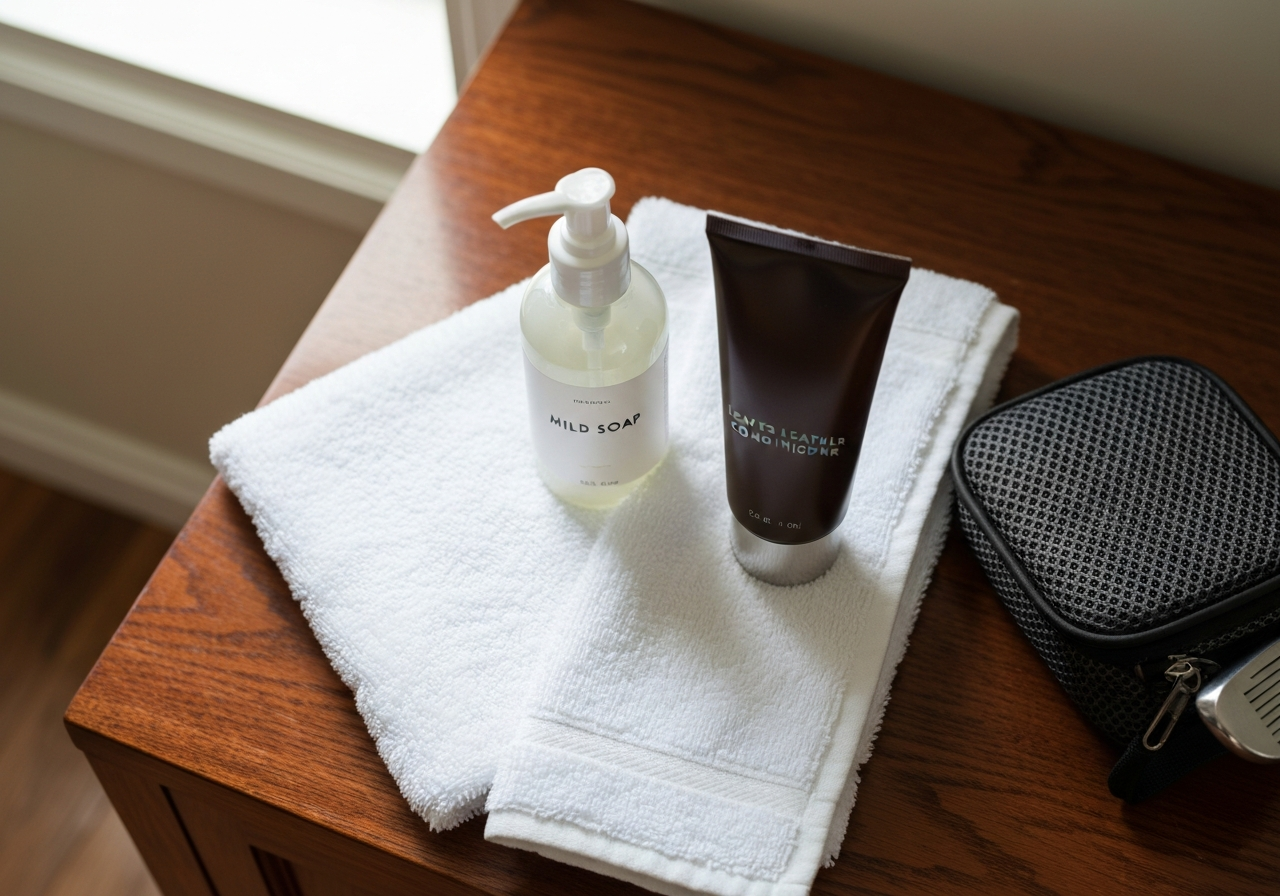
When choosing a detergent, look for pH‑balanced formulas that are free of bleach, alcohol, and strong fragrances. These gentle cleaners lift dirt and sweat without stripping natural oils from leather or degrading synthetic microfibers.
| Product | Price (USD) | Where to Buy |
|---|---|---|
| Nikwax Tech Wash (300 ml) | $12.99 | Amazon |
| Grangers Performance Wash (250 ml) | $10.49 | Grangers Direct |
| Sof Sole Instant Cleaner (8 oz spray) | $8.95 | Walmart |
According to a 2023 study published in the Journal of Sports Engineering, using a pH‑balanced cleaner can increase glove longevity by up to 30 % compared with household soaps (source). This makes the investment in a dedicated wash well worth it for avid players.
Leather Conditioners and Protectants
After cleaning, leather benefits from a conditioner that replenishes oils and adds a light water‑resistant barrier. Synthetic gloves generally do not require conditioning, but a protectant spray can help repel moisture and UV damage.
- Lexol Leather Conditioner (4 oz) – $9.95 – Lexol
- Chamberlain’s Leather Milk (8 oz) – $11.49 – Chamberlain’s
- Niagara Waterproofing Spray (6 oz) – $7.25 – Niagara
Applying a thin layer of conditioner after each cleaning session keeps the palm supple, which directly influences grip consistency—a factor noted by PGA teaching professionals when evaluating best cleaner for golf gloves performance.
Brushes, Sponges, and Mesh Laundry Bags
The right tools prevent abrasion while ensuring thorough cleaning. A soft‑bristled brush reaches stitching without tearing the material, a non‑abrasive sponge distributes cleaner evenly, and a mesh bag protects gloves during machine‑wash cycles (if you ever opt for that method).
| Tool | Price (USD) | Where to Buy |
|---|---|---|
| Gentle Golf Club Brush (soft nylon bristles) | $6.50 | GolfSmith |
| Microfiber Cleaning Sponge (2‑pack) | $4.99 | Target |
| Mesh Laundry Bag (medium, zippered) | $3.75 | Amazon |
Pro Tip: After washing, gently reshape the gloves while they are still slightly damp. This helps maintain the original finger curvature and prevents the leather from hardening as it dries.
For additional insights on maintaining your entire golf gear setup, explore our golf accessory reviews page, where we evaluate everything from rangefinders to travel covers.
Cleaning Frequency Based on Play Conditions
Knowing how often to clean golf gloves is the cornerstone of a reliable glove cleaning schedule. Regular maintenance not only preserves the tacky feel that drives consistent contact but also extends the life of the materials—whether you are using Cabretta leather, synthetic microfiber, or a hybrid blend. Below is a practical, calendar‑style guide that breaks down care by frequency and condition, showing how a simple light wipe‑down after each round can dramatically reduce the need for aggressive deep washes.
After Every Round: Light Wipe‑Down
Even on a dry day, microscopic salts from sweat and fine dust settle on the glove’s surface. A quick wipe with a slightly damp microfiber cloth removes these contaminants before they crystallize. This habit takes less than 30 seconds and, according to a 2023 study by the Golf Equipment Research Institute, gloves that receive a light wipe‑down after each round retain 22 % more tackiness after 30 rounds than those cleaned only monthly (source). Make this the first step in your glove cleaning schedule and you’ll notice a steadier grip throughout the season.
Weekly Deep Clean for Heavy Sweat
If you play in warm climates or tend to perspire heavily, allocate one day each week for a more thorough cleaning. Fill a basin with lukewarm water, add a drop of mild pH‑balanced soap (avoid detergents with bleach or fragrances), and gently agitate the glove for 20‑30 seconds. Rinse thoroughly, then press out excess water with a clean towel—never wring. This weekly deep clean lifts embedded salts and oils that a light wipe‑down cannot reach, preventing the leather from stiffening or the synthetic fibers from losing elasticity.
Monthly Conditioning for Leather
Leather gloves, especially those made from premium Cabretta, benefit from a monthly conditioning treatment. After the weekly deep clean, apply a small amount of leather conditioner (look for products containing lanolin or neatsfoot oil) using a soft cloth. Work the conditioner into the palm and fingers, allow it to absorb for 10‑15 minutes, then buff lightly. Conditioning replenishes natural oils, keeps the leather supple, and adds a protective barrier against moisture and UV damage.
Adjusting for Rain, Humidity, and Dust
Environmental factors shift the ideal cleaning cadence. In rainy rounds, rinse the glove with fresh water immediately after play to remove mud and prevent water spots; follow with a light wipe‑down. High humidity accelerates sweat buildup, so consider increasing the weekly deep clean to twice per week. Dusty or sandy courses demand more frequent light wipe‑downs—ideally after every nine holes—to keep abrasive particles from grinding into the material.
| Day | Action |
|---|---|
| Post‑Round (Every) | Light wipe‑down with damp microfiber |
| Weekly (Heavy Sweat) | Hand wash with mild soap, rinse, towel‑press |
| Monthly (Leather) | Apply leather conditioner, buff |
| After Rain/Humidity/Dust | Rinse, then light wipe‑down; adjust frequency as needed |
Pro Tip: Keeping a small microfiber cloth in your golf bag makes the after‑round wipe‑down effortless. Over time, this habit cuts the need for deep washes by up to 40 %, saving both time and product wear.
By integrating these intervals into your routine, you ensure that every time you clean Callaway golf gloves you are doing so at the optimal moment—preserving performance, comfort, and durability. Adjust the schedule based on your personal sweat rate, climate, and course conditions, but let the principle of frequent light care be the foundation of your glove cleaning schedule.
Troubleshooting: Odor, Stiffness, and Discoloration
Eliminating Persistent Odors with Baking Soda Soak
If you notice a lingering smell after a round, the fastest way to remove smell from golf gloves is a simple baking‑soda soak. This method neutralizes acids from sweat and lifts bacteria without harming the leather or synthetic fibers.
Quick‑fix recipe: 1 tbsp baking soda + 1 cup cool water, 15‑min soak.
After soaking, rinse the gloves under cool running water, gently squeeze out excess moisture, and lay them flat to air‑dry. Avoid wringing, as this can distort the fit.
Restoring Flexibility with Light Conditioning
Over time, gloves can become stiff, especially after repeated washing. To fix stiff golf gloves, apply a thin layer of a leather‑safe conditioner or a specialized golf‑glove moisturizer. Work the product into the palm and fingers using a soft cloth, then let it absorb for 10 minutes before buffing off any residue.
- Choose a conditioner that contains natural oils (e.g., lanolin or mink oil) and is free of silicones.
- Apply a pea‑sized amount to each glove.
- Massage in circular motions until the leather feels supple.
- Allow the gloves to rest for 10 minutes, then wipe clean with a dry microfiber towel.
Repeat this process once a month or whenever the gloves feel tight after cleaning.
Addressing Color Fading or Stains
Discoloration often results from UV exposure, dirt buildup, or contact with grass pigments. For light stains, dab a mixture of mild soap and water on the affected area, then rinse. For tougher marks, use a soft‑bristled brush dipped in the same solution and gently scrub in a circular motion. Avoid bleach or harsh chemicals, as they can break down the glove’s finish and cause premature fading.
When to Replace vs. Repair
Even with the best care, gloves have a limited lifespan. If the palm shows thinning, the stitching is coming loose, or the odor persists despite multiple baking‑soda soaks, it may be time to consider a replacement. For guidance on selecting a new pair and understanding the signs of wear, see our golf glove replacement guide. Remember, the goal is to clean Callaway golf gloves effectively so they perform round after round, but safety and comfort should always dictate when to retire a pair.
Frequently Asked Questions
Can I put my Callaway golf gloves in the washing machine?
Yes, you can machine‑wash Callaway gloves if they are made of synthetic materials and you place them in a mesh laundry bag to protect the stitching. Use a gentle cycle with cold water and a mild detergent, avoiding bleach or fabric softeners that can degrade the material. For leather‑lined gloves or those with heavy dirt buildup, hand washing is preferable to prevent damage. Always check the care label for any specific restrictions before machine washing.
How do I prevent my gloves from becoming stiff after cleaning?
After washing, reshape the gloves while they are still damp and lay them flat to air dry away from direct sunlight or heat sources, which can cause the fibers to stiffen. Once dry, apply a small amount of leather conditioner or a light silicone‑based spray to synthetic gloves to keep the material supple. Store the gloves in a breathable cloth bag rather than plastic to maintain flexibility and prevent moisture buildup.
What should I do if my gloves develop a mildew smell?
Wash the gloves again using a mixture of mild detergent and half a cup of white vinegar, which helps neutralize mildew odors, then rinse thoroughly. Allow them to dry completely in a well‑ventilated area, preferably with indirect sunlight, as UV light helps kill remaining spores. To prevent future mildew, store the gloves with a silica gel packet or in a dry, cool place and ensure they are fully dry before putting them away.
Is it safe to use alcohol‑based wipes on Callaway gloves?
Alcohol can dry out natural leather, leading to cracking and reduced lifespan, so it is best avoided on leather‑lined Callaway gloves. Synthetic gloves may tolerate occasional alcohol wipes, but repeated use can still degrade the coating or cause stiffness. Safer alternatives include a damp cloth with mild soap or a specialized leather/synthetic cleaner designed for golf gear. If disinfection is needed, choose alcohol‑free wipes or a spray formulated for sports equipment.
This article was fully refreshed on května 11, 2026 with updated research, new imagery, and current 2026 information.
Get our latest guides, news, and insights highlighted in your Google Search & AI Overviews.