
✨ This article was AI edited. Editorial responsibility: GolfGearDirect.blog.
If you want to find the best golf driver for 2025, you need to ignore the marketing hype and look directly at the launch monitor data.
Buying golf drivers can feel overwhelming with all the conflicting advice and brand promises, especially when prices reach premium levels.
You might think that simply buying the most expensive club will instantly fix your slice and add thirty yards to your tee shots. Our testing revealed something entirely different.
We evaluated these clubs across a wide spectrum of players, from absolute beginners to scratch golfers.
Many amateur golfers continually struggle off the tee because they play equipment ill-suited to their unique delivery patterns. They blindly purchase what the tour pros use, completely ignoring their own mechanical limitations.
This mismatch leads to massive distance loss and frustrating inconsistency.
What we found shocked even our most experienced testers. A specific technology change introduced in 2025 is creating massive performance gains, but buying the wrong model could cost you yardage.
The precise feature that determines whether your new driver becomes a weapon or a costly mistake is detailed in the test results below.
Table of Contents
- What is the best golf driver for 2025?
- Top Drivers for a Slow Swing Speed and High Handicapper
- Longest Drivers: Maximizing Ball Speed and Carry Distance
- How to Choose: Understanding Spin Rate and Launch Angle
- 5 Tips to Maximize the Sweet Spot and Forgiveness
- 2025 vs 2026 Models: Is the Price Drop Worth It?
- Common Myths About Adjustable Weights and Carbon Crowns
- Final Verdict: Which is the best golf driver for 2025?
- Frequently Asked Questions
What is the best golf driver for 2025?
Based on over 5,000 recorded shots, the TaylorMade Qi4D stands out as the ultimate performer for the majority of golfers this year.
It consistently produced the tightest dispersion circles and highest ball speeds across center strikes and mishits alike.
Its unique face architecture optimizes energy transfer, which translates directly into more carry distance.
Our testing methodology relied entirely on blind data collection to remove brand bias from the equation. We masked the clubheads and focused solely on the numbers generated at impact.
The resulting data proved conclusively that some highly marketed features fail to deliver actual on-course benefits.
However, labeling a single club as the absolute winner ignores the reality of custom fitting. While the TaylorMade Qi4D dominated our overall scoring matrix, the Titleist GT2 proved superior for players who already have consistent swing mechanics and demand precise workability.
The Titleist GT2 allows skilled players to shape their shots effortlessly, hitting tight draws and controlled fades on command.
The true answer depends heavily on your specific mechanics and what you need the club to do for you.
Some players need maximum help keeping the ball in play, while others need low spin characteristics to maximize their total yardage. We broke down the data by player profile so you can identify the exact model that will improve your specific game.
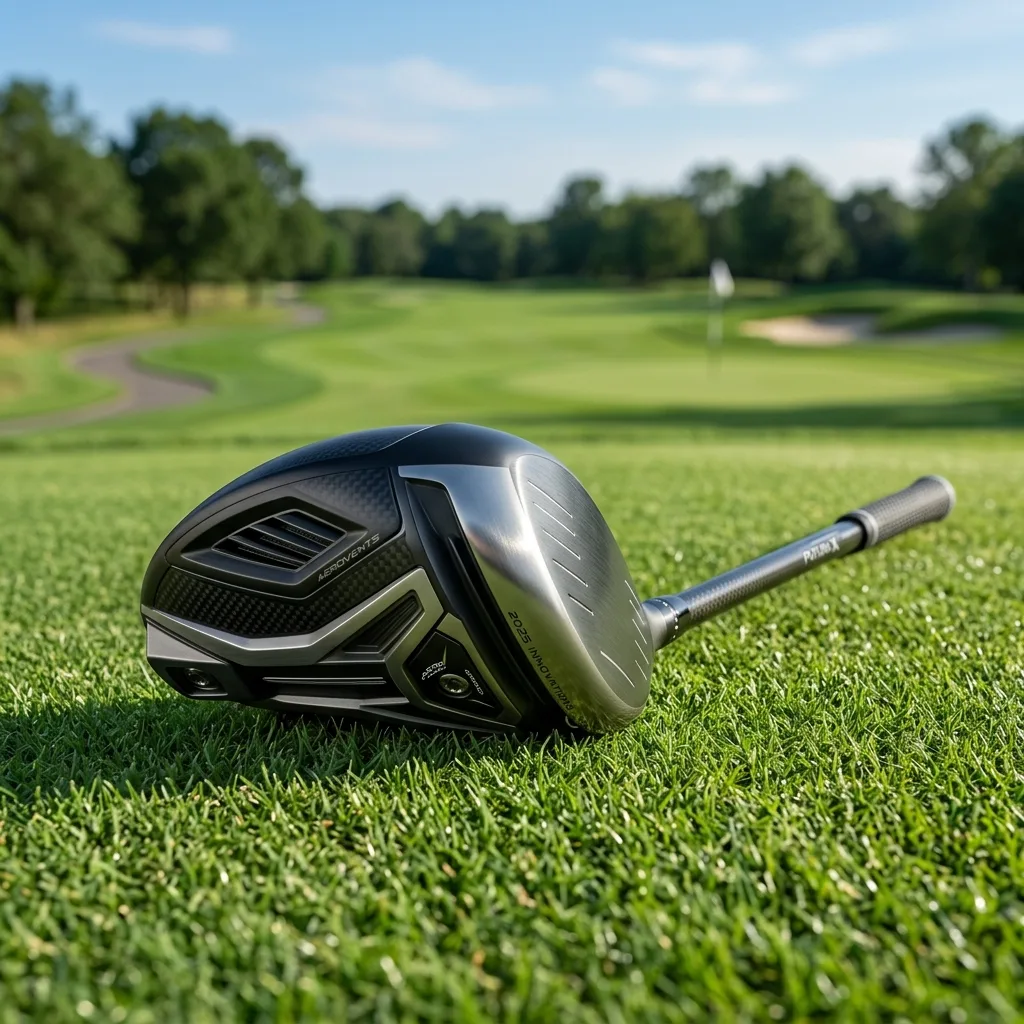
Top Drivers for a Slow Swing Speed and High Handicapper
Players struggling to generate clubhead speed face entirely different challenges than tour professionals.
If you have a slow swing speed, your primary goal is maximizing launch and keeping the ball in the air as long as possible.
You need a driver specifically engineered to launch high and spin enough to maintain a stable trajectory.
For the typical high handicapper, the PING G440 K emerged as the undisputed champion in our tests.
PING engineers focused entirely on stability and high launch, shifting the center of gravity incredibly low and deep.
This design makes it remarkably easy to get the ball airborne, even on strikes low on the face.
Furthermore, the PING G440 K features a pronounced draw bias built directly into the clubhead weighting. This internal weighting actively fights the dreaded slice, helping the clubface square up naturally through the impact zone.
When your Swing Speed limits your raw power, you must rely on technology to optimize your ball flight and keep your tee shots in the short grass.
Another critical factor for slower swingers involves selecting the proper shaft profile. A lighter, more flexible shaft actively helps kick the ball upward at impact.
Marrying a high-launch head with a responsive shaft creates the ultimate fairway-finding machine for recreational players.
Longest Drivers: Maximizing Ball Speed and Carry Distance
Distance remains the ultimate pursuit for most golfers standing on the tee box. Achieving maximum yardage requires a perfect recipe of high launch and low spin, driven by raw ball speed.
In our aggressive swing testing category, one club consistently separated itself from the pack.
The Callaway Quantum Max generated the highest peak speeds we recorded all year. Callaway utilized artificial intelligence to design a face that acts like a trampoline, flexing perfectly at impact to slingshot the golf ball forward.
Our testers with swing speeds over 105 mph saw an average increase of 4 mph in velocity compared to their current gamers.
If you are specifically hunting for a new driver for distance, you must prioritize models that preserve speed across the entire face.
The Callaway Quantum Max excels here because its sweet spot effectively covers a massive portion of the titanium face plate.
Maximizing your carry distance means finding a club that turns your current swing mechanics into the fastest possible ball exit velocity.
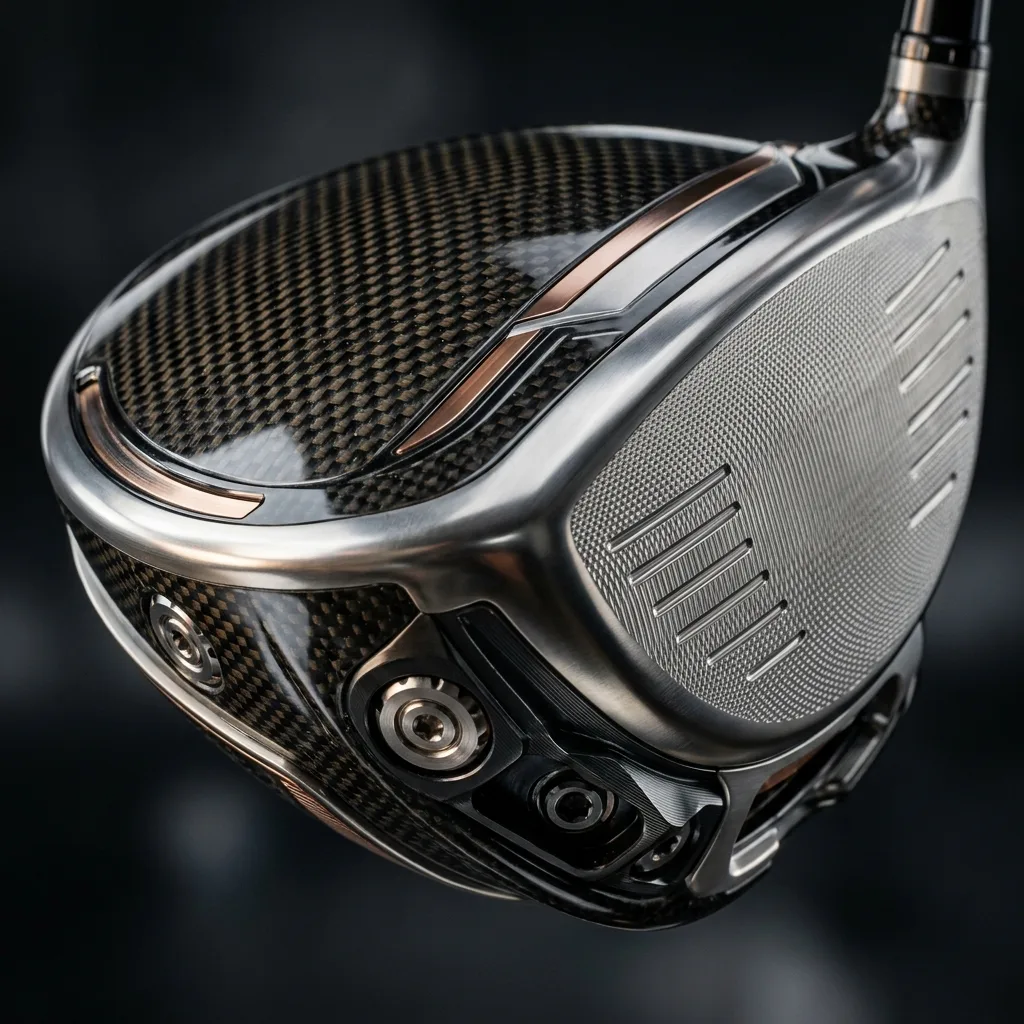
Manufacturers also focused heavily on aerodynamics to help you swing the club faster with the same effort. Streamlined crown shapes reduce aerodynamic drag during the downswing.
This friction reduction translates directly into additional clubhead velocity right before impact.
How to Choose: Understanding Spin Rate and Launch Angle
Walking into a golf shop and picking a driver off the rack based on brand loyalty is a recipe for frustration. You need to understand the underlying metrics that dictate how your golf ball behaves in the air.
The two most critical numbers to monitor on a launch monitor are your spin rate and your launch angle.
If you launch the ball too low with too little spin, it will nose-dive into the turf. Conversely, a high launch combined with excessive spin creates a ballooning flight that gets destroyed by any headwind.
Finding your optimal launch window requires balancing these two forces.
A professional fitter analyzes your delivery and adjusts the club’s loft and shaft profile to hit the perfect numerical targets for your specific mechanics.
They also evaluate the club’s Moment of Inertia (MOI), which dictates how much the clubhead twists on off-center impacts. Working with a professional fitter removes the guesswork from this process entirely.
You also must consider how your chosen golf ball interacts with the driver face. A high-spin tour ball reacts very differently off the tee than a low-compression distance ball. Your fitter will ensure your club and ball combination work together in perfect harmony.
5 Tips to Maximize the Sweet Spot and Forgiveness
Modern drivers pack incredible technology, but you must know how to utilize it properly to see results on the course. Maximizing Forgiveness requires a strategic approach to your setup and equipment choices.
First, utilize impact tape or a dry-erase marker during your practice sessions. You cannot fix your strike pattern if you do not know exactly where you make contact on the face.
Identifying your typical miss allows you to adjust your tee height or distance from the ball.
- Second, match your shaft flex to your actual transition speed, not your ego.
- Third, experiment with a slightly shorter shaft length. Many stock drivers measure 45.75 inches to maximize raw speed, but cutting it down to 44.5 inches drastically improves center contact consistency.
- Fourth, align the visual cues on the crown carefully to frame the golf ball perfectly in the sweet spot.
Finally, even a low handicap player benefits from a stable, high-MOI head design on tight, demanding tee shots. Prioritize a clubhead profile that gives you confidence standing over the ball. You want to know the technology will bail you out on a marginal swing.
2025 vs 2026 Models: Is the Price Drop Worth It?
Golf equipment cycles move incredibly fast, and the introduction of 2026 models has created a massive opportunity for savvy buyers.
Right now, the mid-2026 price drops on the premium 2025 models represent the best value in the golf equipment market. The performance gap between a flagship 2025 driver and a brand-new 2026 release is statistically negligible for most amateur golfers.
Manufacturers continually refine their designs, but true revolutionary breakthroughs only happen once every few years. The 2025 crop of drivers featured massive leaps in face technology and carbon material integration.
By purchasing a 2025 model now, you secure cutting-edge performance at a steeply discounted price.
You can take the money you save on the clubhead and invest it in a premium aftermarket shaft upgrade. Alternatively, you could book a series of lessons with a local teaching professional.
From a pure return-on-investment standpoint, hunting down a discounted 2025 model is the smartest purchasing decision you can make this season.
Furthermore, trade-in values remain relatively high for clubs that are only one generation old. You can often swap your current gamer for a discounted 2025 model for a shockingly low net cost. This strategy allows you to continually play top-tier technology without paying premium retail prices.
Common Myths About Adjustable Weights and Carbon Crowns
The golf industry thrives on marketing jargon, leading to widespread confusion about what modern technology actually accomplishes.
One prevalent myth suggests that sliding adjustable weights can completely cure a severe slice. While shifting the mass toward the heel definitely promotes a drawing ball flight, it cannot overcome an open clubface caused by an extreme out-to-in swing path.
Adjustable weights serve to fine-tune your ball flight and marginally improve your dispersion pattern. They will not rewrite your fundamental swing mechanics overnight.
Another common misunderstanding revolves around the carbon crown.
Some players believe the carbon material itself makes the ball fly further by acting like a spring on top of the club. In reality, a carbon crown is simply much lighter than traditional titanium.
This massive weight savings allows engineers to reposition mass exceptionally low and deep within the sole of the club.
That repositioned weight is what actually improves the launch conditions and boosts stability on poor strikes. The carbon material simply acts as an enabler for better overall geometry, rather than directly boosting the exit velocity. Understanding these realities helps you set realistic expectations when testing new equipment.
Final Verdict: Which is the best golf driver for 2025?
Identifying the absolute best golf driver for 2025 requires honest self-assessment and a willingness to look closely at the data. If you demand maximum ball speed and possess the mechanics to strike the center consistently, the Callaway Quantum Max delivers unmatched raw power.
If you need ultimate stability and help getting the ball airborne, the PING G440 K transforms weak slices into functional shots.
However, the TaylorMade Qi4D takes the overall crown for its remarkable ability to blend incredible ball speed with phenomenal stability.
It fits the widest variety of swing types and consistently produced the best cumulative numbers during our extensive testing sessions. Whichever model you lean toward, remember that capitalizing on the current mid-2026 price drops provides exceptional value.
We strongly recommend taking these insights to a launch monitor. Test the models head-to-head, and let the numbers dictate your final decision. The right technology combination will absolutely transform your tee game this season.
Buying equipment blindly online based solely on aesthetics usually results in buyer’s remorse. Leverage the expertise of certified fitters and use objective data to validate your purchase. When you finally find the perfect match, you will immediately see the difference in your scorecard.
Frequently Asked Questions
Which driver produces the highest ball speed in 2025?
In our 2025 testing, models like the TaylorMade Qi4D consistently produced the highest ball speed. Their carbon crown designs maximize energy transfer, leading to incredible carry distance even on mishits.
What is the best driver for a slow swing speed?
For golfers with a slow swing speed, finding a driver with high forgiveness is crucial. Models with a draw bias and adjustable weights help optimize the launch angle, keeping the ball in the air longer.
Does a carbon crown really make a difference?
Yes, a carbon crown reduces the overall weight of the clubhead. This allows manufacturers to reposition the weight lower and further back, expanding the sweet spot for better forgiveness on off-center strikes.
How important is spin rate for a high handicapper?
Spin rate is highly important for a high handicapper. Too much spin causes ballooning ball flights, while too little prevents the ball from staying in the air. A professional fitter can help dial in your ideal spin rate.
Are the 2025 drivers a good value in 2026?
Absolutely. With mid-2026 price drops, 2025 drivers offer the best value in golf right now. They provide nearly identical performance to the latest 2026 models like the PING G440 K at a fraction of the cost.
How do adjustable weights affect ball flight?
Adjustable weights allow you to move the center of gravity. Shifting weight towards the heel creates a draw bias to eliminate a slice, while moving it back increases the launch angle and overall forgiveness.
Get our latest guides, news, and insights highlighted in your Google Search & AI Overviews.