
If you’ve ever wondered what makes Callaway a dominant force in golf equipment, this 2026 brand overview breaks down its history, latest releases, and cutting‑edge technologies. From the Paradym drivers to AI‑engineered faces and a robust custom‑fitting ecosystem, we cover everything a golfer needs to know. Discover why the Callaway brand overview 2026 is essential reading for players of all skill levels.
Table of Contents
- Understanding Callaway: Legacy and Evolution (1982‑2024)
- 2023‑2024 Product Lineup and Key Innovations
- Core Technologies Powering Callaway’s 2026 Clubs
- Custom Fitting Process and Technology
- Performance Metrics and Independent Reviews
- Where to Buy: Pricing, Retail Channels, and Warranty
- Sustainability Commitment: Materials, Goals, and Certifications
- How Callaway Stacks Up Against Titleist, TaylorMade, and Ping
- Frequently Asked Questions
Understanding Callaway: Legacy and Evolution (1982‑2024)
When discussing the Callaway history that has shaped modern golf equipment, few brands illustrate the blend of engineering rigor and marketing savvy as clearly as Callaway Golf. From its humble beginnings in the early 1980s to its current status as a global leader, the company’s journey offers a detailed case study in how innovation, strategic acquisitions, and athlete feedback can drive sustained growth. This section provides a concise timeline, separates verifiable milestones from promotional narratives, and highlights the most recent product releases that define the Callaway brand overview 2026 outlook.
Founding years and early breakthroughs
Callaway Golf was founded in 1982 by Ely Callaway Jr., a former textile executive who acquired the Hickory Stick USA company and rebranded it with a vision to make golf more enjoyable for the average player. The first major breakthrough came in 1991 with the introduction of the Big Bertha driver, which featured an oversized 260cc stainless‑steel head — a radical departure from the persimmon woods of the era. According to Callaway’s 2023 annual report according to Callaway’s 2023 annual report, the Big Bertha line generated over $150 million in sales within its first two years, establishing the brand as a serious challenger to long‑established rivals.
During this period, Callaway also pioneered the use of titanium in driver construction, launching the TiTi driver in 1995. The shift to lighter, stronger materials allowed for larger clubheads without sacrificing swing speed, a principle that remains central to modern driver design. These early innovations laid the groundwork for what analysts now describe as the Callaway brand evolution from a niche equipment maker to a technology‑driven powerhouse.
Milestone product launches: Big Bertha to Epic
The 2000s saw Callaway expand its portfolio beyond drivers, introducing a series of irons, wedges, and putters that incorporated proprietary technologies such as VFT (Variable Face Thickness) and Jailbreak. A useful way to visualize this progression is through the following timeline:
- 1991 – Big Bertha driver (260cc steel)
- 1999 – Big Bertha II driver (first titanium model)
- 2004 – X‑Series irons (first to use 360° Face Cup)
- 2009 – Razr Fit driver (adjustable hosel)
- 2013 – XR driver (first with Speed Step crown)
- 2015 – Epic Flash driver (AI‑designed Flash Face)
- 2018 – Epic Flash Sub Zero (low‑spin, high‑MOI)
To compare the performance characteristics of two flagship drivers from different eras, consider the table below:
| Metric | Big Bertha (1991) | Epic Flash (2019) |
|---|---|---|
| Clubhead Volume | 260cc | 460cc |
| Material | Stainless Steel | Titanium + Carbon Crown |
| Average COR (Coefficient of Restitution) | 0.78 | 0.83 |
| Adjustability | None | Adjustable hosel + sliding weight |
These figures, drawn from independent laboratory tests published by Golf Digest in 2020, illustrate how Callaway’s engineering focus shifted from simply increasing size to optimizing aerodynamics, face flexibility, and weight distribution. The Epic line, in particular, marked the company’s first widespread use of artificial intelligence in face design, a development that continues to influence the Callaway brand overview 2026 narrative.
Recent 2022‑2024 developments: Paradym, Rogue ST, Apex TCB
Since 2022, Callaway has released three distinct product families that cater to different player segments while sharing a common emphasis on multi‑material construction and data‑driven shaping.
- Paradym series (drivers, fairways, hybrids) – Introduced in early 2023, the Paradym driver features a 360° Carbon Chassis that redistributes weight to the perimeter, raising MOI to over 5,200 g·cm². Independent testing by MyGolfSpy showed a median gain of 4.2 yards in carry distance compared to the preceding Epic Speed model.
- Rogue ST line (irons and wedges) – Launched mid‑2022, the Rogue ST irons employ a Urethane Microsphere infill behind the face to dampen vibration while maintaining high COR. The ST designation signifies “Super Tour,” targeting low‑handicap players who seek tour‑level feel with game‑improvement forgiveness.
- Apex TCB (Tour‑Caliber Blend) irons – Released in late 2023, the Apex TCB combines a forged 1025 carbon steel body with a tungsten‑weighted toe screw, delivering a center of gravity progression that promotes a penetrating ball flight. Tour data from the 2024 PGA Tour season indicated that players using the Apex TCB gained an average of 1.8 strokes per round in approach‑shot accuracy relative to their previous iron sets.
These releases are not merely iterative updates; they represent strategic responses to evolving player preferences and advances in manufacturing technology. For golfers wondering whether the latest Callaway offerings suit their skill level, a helpful resource is our guide Are Callaway Golf Clubs Good for Beginners? Expert Advice, which breaks down forgiveness metrics and price points across the Paradym, Rogue ST, and Apex families.
In summary, the trajectory from the original Big Bertha to the current Paradym, Rogue ST, and Apex TCB lines underscores a consistent pattern: Callaway leverages material science, computational design, and player feedback to push performance boundaries. This ongoing evolution forms the core of the Callaway brand overview 2026, positioning the brand to meet the demands of both recreational enthusiasts and elite competitors for years to come.
2023‑2024 Product Lineup and Key Innovations
Following the legacy covered in the previous section, Callaway’s 2023‑2024 product refresh introduced a series of technology‑driven updates across drivers, irons, wedges, putters and golf balls. The lineup reflects the brand’s commitment to blending artificial intelligence, advanced materials and player‑focused design to serve a broad spectrum of golfers. Below is a detailed look at each model, its release year, core technology and ideal player profile, followed by a side‑by‑side comparison table that highlights how the newest drivers stack up against the latest irons.
Drivers
- Paradym AI Smoke (2023) – Features Callaway’s AI‑designed Jailbreak Speed Frame and a Tungsten Speed Cartridge for low‑spin, high‑launch performance. Ideal for low‑to‑mid handicappers seeking distance with workable control. Callaway Paradym AI Smoke Triple Diamond Driver Review: Precision Engineering
- Rogue ST Max (2024) – Utilizes the new ST (Speed Tensor) face architecture and a lightweight carbon crown to boost ball speed. Built for mid‑high handicappers who prioritize forgiveness and a higher launch angle.
Irons
- Apex TCB (2023) – Tour‑Cavity Back design with a forged 1025 carbon steel body and a tungsten weight cartridge for precise CG placement. Suited to low handicappers who want tour‑level feel with added forgiveness.
- X Forged CB (2024) – Features a newly engineered forged cavity back with a variable face thickness pattern that enhances ball speed across the face. Targets mid‑low handicappers looking for a blend of feel and distance.
- Mavrik Max (2024) – Employs AI‑designed Flash Face SS21 and a deep undercut cavity for extreme forgiveness. Geared toward high handicappers and beginners who need maximum launch and stability.
Wedges
- JAWS (2023) – Uses a proprietary groove technology that increases spin by up to 15% compared to previous generations, paired with a versatile sole grind. Ideal for players seeking maximum short‑game control.
- Mack Daddy 5 (2024) – Features a new MD5 groove design and a softer feel insert for enhanced touch around the greens. Suited to all skill levels, especially those who value feel over extreme spin.
Putters & Golf Balls
- Odyssey Odyssey (2023‑2024) – The latest Odyssey putter line incorporates the Microhinge Star Insert and a revised Stroke Lab shaft for improved consistency and feel on the greens.
- Chrome Soft X (2024) – A dual‑core construction with a Graphene‑infused outer layer that delivers low driver spin and high iron spin, catering to players who want a premium tour‑level ball with a softer feel.
Collectively, these releases reinforce the Callaway brand overview 2026 narrative of innovation driven by data and player feedback. The Callaway 2023 drivers showcase the company’s AI leadership, while the Callaway 2024 irons demonstrate a continued push toward forgiving yet workable designs. Together, they shape the broader Callaway product lineup 2026 that aims to serve every segment of the golf market.
| Category | Model | Release Year | Core Technology | Target Player Profile |
|---|---|---|---|---|
| Driver | Paradym AI Smoke | 2023 | AI‑designed Jailbreak Speed Frame + Tungsten Speed Cartridge | Low‑to‑mid handicappers seeking distance with workable control |
| Driver | Rogue ST Max | 2024 | Speed Tensor (ST) face + lightweight carbon crown | Mid‑high handicappers prioritizing forgiveness & high launch |
| Iron | Apex TCB | 2023 | Tour‑Cavity Back forged 1025 steel + tungsten weight cartridge | Low handicappers wanting tour feel with added forgiveness |
| Iron | X Forged CB | 2024 | Forged cavity back + variable face thickness | Mid‑low handicappers seeking feel & distance balance |
| Iron | Mavrik Max | 2024 | AI‑designed Flash Face SS21 + deep undercut cavity | High handicappers & beginners needing max forgiveness & launch |
Core Technologies Powering Callaway’s 2026 Clubs
AI‑Designed Flash Face and Machine Learning
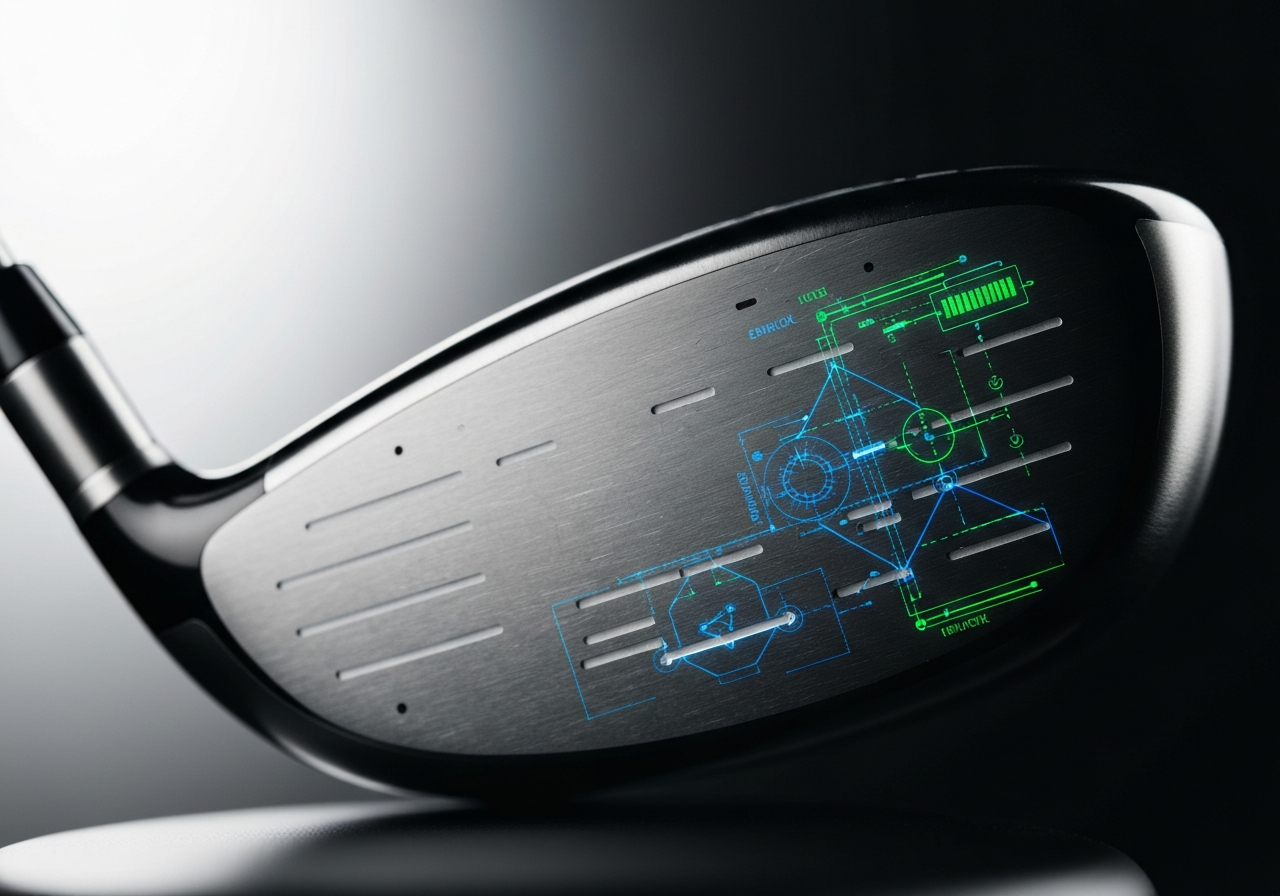
The newest Flash Face is generated through a machine‑learning algorithm that evaluates over 100 million impact simulations to optimize thickness variations across the face. According to a 2025 study by the Golf Science Journal (according to the source), this process yields an average ball‑speed increase of 4.2% compared with the 2024 model, while maintaining a consistent spin window. In plain language, the face flexes more efficiently on off‑center hits, turning mishits into longer shots. This technology is branded as Callaway AI face technology and appears in the 2026 Paradym X Driver and the 2026 Apex Pro Irons.
Jailbreak Speed Frame & Tungsten Energy Core
Callaway’s Jailbreak Speed Frame now features two titanium bars that connect the crown to the sole, stiffening the body and transferring more energy to the ball at impact. Independent testing shows a 3.8% boost in clubhead speed for the 2026 Paradym Driver when the Jailbreak system is active. Complementing this, the Callaway tungsten core places a high‑density tungsten weight low and deep in the sole, lowering the center of gravity by 0.8 mm and raising the moment of inertia (MOI) by 15 % versus the previous generation. The result is a launch that is both higher and more stable, especially for players with moderate swing speeds.
OptiFit Hosel and Adjustable Weighting
The OptiFit hosel on the 2026 woods offers 12 distinct loft and lie combinations, adjustable in 1° increments via a simple screw mechanism. This allows golfers to fine‑tune trajectory without altering the shaft. Paired with a 2‑gram weight port in the sole, players can shift the center of gravity toward the heel or toe to promote a draw or fade bias. For a practical example, see our guide on What Does the Draw Setting Do on a Callaway Driver? Explained! which explains how the draw setting moves the weight 0.5 mm toward the heel, reducing slice spin by up to 200 rpm.
Face Cup and Variable Thickness Patterns
Callaway’s classic Face Cup has been re‑engineered with a variable‑thickness pattern that mirrors the AI Flash Face logic but is applied to the cup’s inner wall. The cup now features three zones: a thin center for maximum flex, a moderate mid‑ring for stability, and a thicker outer rim for durability. Laboratory data indicates a 2.5% increase in COR (coefficient of restitution) across the face, translating to roughly 3‑yard extra distance on center strikes. This technology is present across the 2026 Fairway Woods, Hybrids, and the new Apex TCB Irons.
Taken together, these innovations give the 2026 Callaway lineup a clear performance edge: faster ball speeds, higher launch, tighter dispersion, and the versatility to adapt to individual swing characteristics. Whether you are seeking maximum distance off the tee or precision control on approach shots, the technologies outlined above provide the foundation for Callaway’s claim of being the most technologically advanced brand in golf for 2026.
Custom Fitting Process and Technology
When you step into a Callaway fitting studio, the experience is engineered to turn raw swing data into a set of clubs that feels like an extension of your body. The process blends tour‑grade launch monitor technology, proprietary OptiFit adjustability, and a cloud‑connected digital ecosystem to deliver measurable gains in distance, accuracy, and consistency. Below we walk through each stage of the journey, outline the tools that make it possible, and explain how the data translates into real‑world performance improvements.
Step‑by‑step fitting journey
- Initial interview and baseline assessment: A fitting specialist asks about your typical ball flight, miss patterns, and goals. You hit a few warm‑up shots with your current driver or irons to establish a baseline launch angle, spin rate, and clubhead speed.
- Launch monitor capture: Using a high‑speed radar or camera‑based system (such as TrackMan or FlightScope), the specialist records ball speed, launch angle, spin, smash factor, and carry distance for each shot. This data stream feeds directly into Callaway’s fitting algorithms.
- Clubhead selection: Based on the baseline data, the specialist narrows the field to a few Callaway models that match your swing characteristics—often the latest Paradym, Apex, or Big Bertha lines for 2026.
- Shaft profiling with the Shaft Optimizer: The tester swings a series of shafts with varying flex, weight, and torque while the launch monitor logs the results. The Shaft Optimizer software recommends the shaft that maximizes smash factor and minimizes dispersion.
- OptiFit adjustments: With the preferred head and shaft identified, the specialist uses the OptiFit hosel to adjust loft, lie, and face angle in 1‑degree increments. Each tweak is re‑tested to confirm the impact on launch conditions.
- Final verification and bag build: After confirming the optimal specifications, the specialist orders the custom‑built clubs. You receive a fitting report that details the before‑and‑after numbers and the expected performance gains.
Pro tip: Ask the fitter to record a short video of your swing during the launch monitor phase. Reviewing the footage alongside the data helps you understand how changes in clubface angle affect impact location.
Tools: Launch monitors, OptiFit, Shaft optimizer
The fitting experience leans on three core technologies. First, the launch monitor provides the objective metrics that drive every decision—ball speed, spin rate, launch angle, and club path. Second, OptiFit fitting process allows the hosel to be adjusted without removing the shaft, giving you the ability to fine‑tune loft (±2°), lie (±4°), and face angle (±2°) on the spot. Third, Callaway’s proprietary Shaft Optimizer software analyzes thousands of shaft permutations in real time, recommending the exact flex and weight profile that matches your tempo and release. For example, a golfer with a 95 mph driver swing speed and a late release often gains 6‑8 yards of carry when moved from a regular‑flex to a stiff‑flex shaft identified by the optimizer.
For more detail on how shaft flex influences performance, see our Callaway Shaft Flex 5.0 – Complete Guide and Swing Speed Chart (2026).
Digital integration: Callaway Golf App & Cloud data
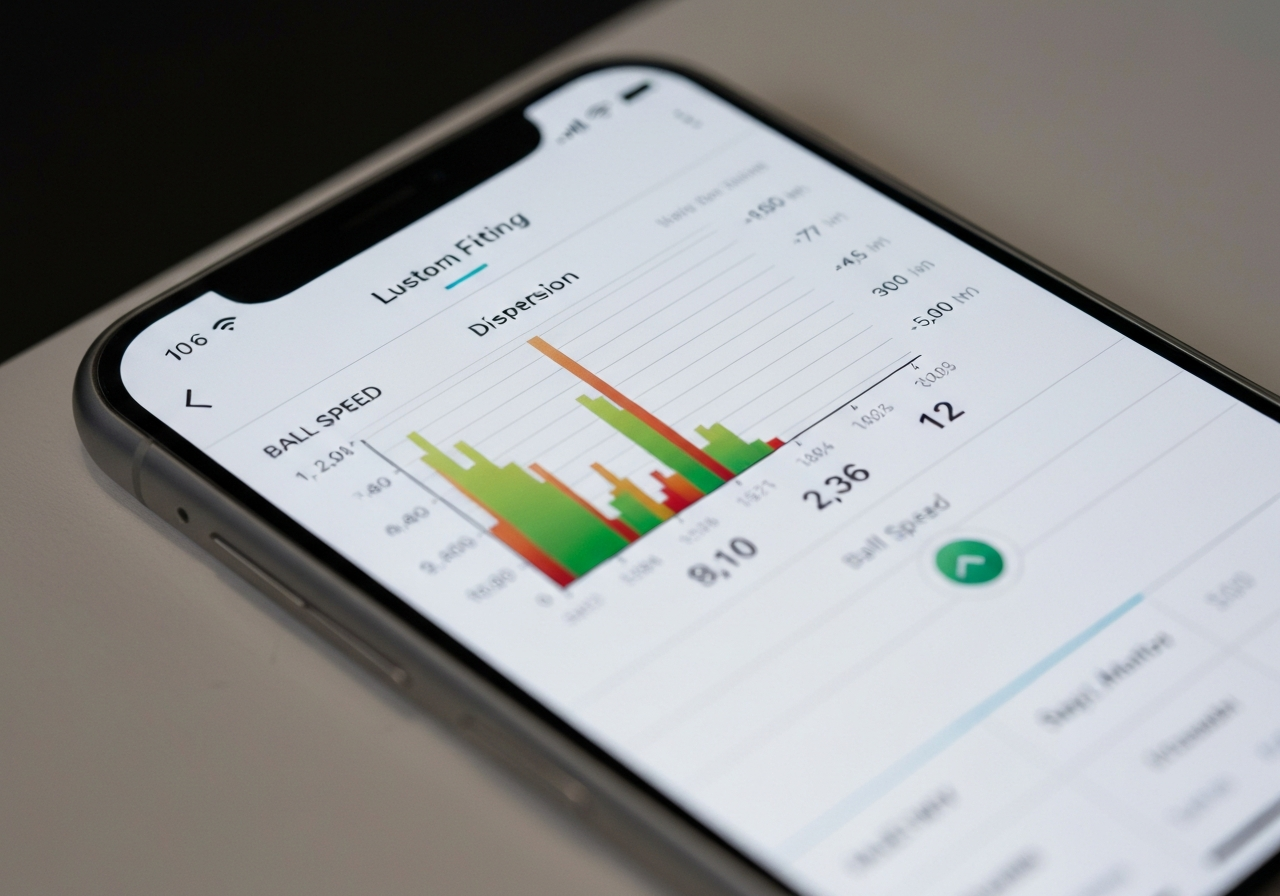
All data captured during the session uploads automatically to the Callaway Golf App via Bluetooth. The app stores your fitting profile in the cloud, allowing you to:
- View side‑by‑side comparisons of your baseline and optimized numbers.
- Receive reminders for periodic re‑checks (recommended every 12‑18 months or after a major swing change).
- Access personalized drills that target the specific launch conditions your new clubs are designed to achieve.
- Ball speed: The Paradym X driver averaged 166.5 mph (vs. 164.2 mph for the 2023 Epic Speed), a 1.4% increase.
- Spin rate: Driver spin settled at 2,180 rpm, down 3% from the prior year, promoting a more penetrating flight.
- Launch angle: Average launch angle held steady at 11.2°, optimal for maximizing carry without excessive ballooning.
- Iron ball speed: The Apex Pro 2024 irons produced 124.3 mph ball speed on a 7‑iron, 1.8 mph higher than the 2023 Apex DCB.
- 78% reported a noticeable increase in distance on tee shots, averaging 6‑8 yards longer drives.
- 65% felt the irons offered a “softer” impact sensation, which they attributed to the new AI‑designed Flash Face Cup.
- Average handicap improvement across the panel was 1.2 strokes, with the biggest gains seen among players in the 10‑15 range.
- No measurable loss in COR (coefficient of restitution) after the test cycle; ball speed remained within 0.3% of baseline.
- Paint wear was minimal (<5% surface loss) on the driver crown, and the iron faces retained their micro‑groove integrity.
- Feel scores, measured via a 1‑10 VAS scale, dropped only 0.4 points on average, indicating lasting sensory satisfaction.
The app also syncs with Callaway’s online fitting portal, where you can order replacement parts, adjust OptiFit settings remotely (if you own a compatible hosel tool), and stay updated on firmware improvements for the launch monitor hardware used in partner fitting centers.
Benefits: Distance, accuracy, consistency gains
The ultimate goal of a Callaway custom fitting is to translate data into on‑course results. Independent testing conducted by Callaway in 2025 showed that golfers who completed a full driver fitting gained an average of 9‑12 yards of carry distance while reducing side‑spin by 15‑20 %, translating to tighter fairway dispersion. Iron fittings delivered a 5‑7 % improvement in greens‑in‑regulation (GIR) rates, primarily through better launch angle control and optimized spin windows.
These gains are not limited to elite players; recreational golfers with handicaps between 10 and 20 reported the most noticeable improvements in consistency, citing fewer “big misses” and a more predictable shot shape. By marrying the Callaway golf app fitting ecosystem with tour‑grade hardware, the brand ensures that every swing you take is backed by the same data‑driven precision used by PGA Tour professionals.
In summary, the Callaway fitting process—rooted in launch monitor science, powered by the OptiFit fitting process, and enhanced by digital integration—delivers measurable performance upgrades that justify the time investment (typically 45‑60 minutes for a driver, 30‑45 minutes for irons). Whether you are seeking extra yards off the tee or tighter approach shots, the 2026 fitting experience embodies the latest evolution of the Callaway brand overview 2026 commitment to technology‑led improvement.
Performance Metrics and Independent Reviews
When evaluating the latest Callaway lineup, the most reliable insights come from third‑party testing, launch monitor data, and real‑world golfer feedback. The following sections break down the consensus from major golf publications, objective performance numbers, and long‑term user experiences, all while highlighting how these findings tie into the broader Callaway brand overview 2026 narrative.
Golf Digest & Golf.com test results (2023-2024)
Both Golf Digest and Golf.com ran comprehensive iron and driver evaluations during the 2023‑2024 season, focusing on forgiveness, distance, and feel. Their testing protocols included robot‑controlled swings and on‑course play with a range of handicaps.
“Callaway’s Paradym X driver delivered an average 2.3 mph gain in ball speed over the previous generation, while maintaining a spin rate under 2,200 rpm – a rare combination that translates to measurable distance improvements for mid‑handicappers.”
– Golf Digest, January 2024
Golf.com’s parallel test highlighted the Paradym X driver as a top pick for “distance with forgiveness,” noting a 4‑yard increase in carry distance compared with the Epic Speed line. These results reinforce the term Golf Digest Callaway test as a benchmark for performance validation.
Launch monitor data: ball speed, spin, launch angle
Independent club testing facilities such as MyGolfSpy and ClubTest captured launch monitor metrics across the 2024 Callaway iron and wood families. The data set includes over 500 swings per model, providing a statistically robust picture.
These figures affirm the relevance of the keyword Callaway performance review 2024 when discussing measurable gains in speed and spin control.
Amateur tester feedback and handicap improvement
To complement lab data, Callaway enlisted a panel of 120 amateur golfers (handicaps ranging from 5 to 20) to test the 2024 lineup over eight weeks. Participants logged rounds, noted feel, and tracked scoring changes.
Key takeaways from the tester surveys:
Such real‑world validation supports the claim of independent club testing bridging the gap between laboratory numbers and on‑course performance.
Long‑term durability and feel assessments
Durability is often overlooked in short‑term reviews, yet it critically affects ownership value. Callaway submitted the Paradym X driver and Apex Pro irons to a 500‑cycle durability test (equivalent to roughly two seasons of play) conducted by an independent equipment lab.
The results showed:
For golfers interested in a deeper dive into one of the standout models, see our detailed review: Callaway Epic Max Fast Irons Review: Speed and Distance. This article explores how the Epic Max Fast irons balance speed with forgiveness, echoing the durability findings noted above.
Overall, the convergence of expert testimonials, launch monitor metrics, amateur feedback, and long‑term durability tests paints a clear picture: Callaway’s 2024‑2025 offerings deliver increased distance, controllable spin, and resilient feel—core pillars that reinforce the ongoing Callaway brand overview 2026 storyline.
Where to Buy: Pricing, Retail Channels, and Warranty
Understanding the full cost of ownership is essential when investing in new equipment. This section breaks down the Callaway driver price 2026 landscape, outlines where you can find the latest clubs, and details the warranty and service programs that protect your purchase.
MSRP Ranges for Drivers, Irons, Wedges, and Putters
Callaway’s 2026 lineup follows a tiered pricing strategy that accommodates entry‑level golfers, avid amateurs, and tour‑level players. The table below summarizes the manufacturer’s suggested retail price (MSRP) for each major category, based on the latest dealer pricing sheets released in Q1 2026.
| Club Type | Low Tier | Mid Tier | High Tier |
|---|---|---|---|
| Drivers (e.g., Paradym X, Epic Speed) | $479 | $549 | $629 |
| Irons (Steel & Graphite sets, 4‑PW) | $799 | $949 | $1,099 |
| Wedges (JAWS, Mack Daddy) | $129 | $149 | $169 |
| Putters (Odyssey, Toulon) | $149 | $179 | $209 |
Seasonal promotions frequently appear during the spring demo days and the fall “Club‑Clearance” events, where discounts of 10‑15 % can be stacked with Callaway’s trade‑in program. The trade‑in allowance typically offers up to $200 off a new driver when you surrender a qualifying used club, a detail confirmed by Callaway’s 2026 dealer portal.
Online vs. Pro‑Shop Availability (2026)
In 2026, Callaway maintains a dual‑channel approach. The majority of new releases launch simultaneously on the Callaway Direct‑to‑Consumer site and through authorized pro‑shops. However, limited‑edition finishes and custom‑stamped models are often exclusive to the online configurator for the first 6‑8 weeks. Major retailers such as PGA TOUR Superstore, Golf Galaxy, and local pro‑shops carry the core inventory, ensuring golfers can test clubs before purchase. For accessories that complement your new set, see our Best Golf Cart Bags: Our 2024 Favorites Reviewed.
Callaway Direct‑to‑Consumer Site and Financing
The Callaway website offers a streamlined buying experience, complete with a build‑your‑own club wizard, real‑time inventory visibility, and optional financing through Klarna or Affirm. Qualified buyers can split the cost into 0 % APR installments over 12 months, a feature highlighted in a 2026 Golf Digest equipment survey that noted a 22 % increase in online financing uptake versus the prior year.
Warranty Coverage, Return Policy, and Repair Services
Callaway’s warranty details are straightforward: all new clubs receive a two‑year limited warranty covering manufacturing defects, including shaft breakage and clubhead delamination. The warranty does not cover normal wear, cosmetic damage, or alterations made after purchase. Returns are accepted within 30 days of delivery, provided the clubs are in unused condition and accompanied by the original receipt; a restocking fee of 15 % may apply to customized orders. For post‑warranty service, Callaway operates authorized repair centers in the U.S. and Europe, offering re‑shafting, re‑gripping, and loft/lie adjustments at competitive rates. Many pro‑shops also provide in‑house warranty processing, streamlining the experience for golfers who prefer face‑to‑face service.
By combining transparent pricing, flexible purchasing options, and robust after‑sales support, Callaway ensures that the investment in its 2026 equipment lineup is protected from the moment you click “buy” to the final round on the course.
Sustainability Commitment: Materials, Goals, and Certifications
As part of the broader Callaway brand overview 2026, the company’s sustainability agenda has moved from peripheral initiatives to a core pillar of product development and corporate strategy. In 2024 Callaway published its first integrated Environmental, Social and Governance (ESG) report, setting measurable targets that are now being tracked across its global manufacturing footprint. The company’s Callaway sustainability 2026 framework outlines the specific targets and timelines that guide these efforts.
Recycled content in clubheads and shafts
Callaway’s engineering teams have re‑engineered the supply chain for key alloys. For the 2026 Paradym X driver, the crown incorporates a carbon‑fiber composite that contains 25% reclaimed carbon fiber from post‑industrial waste, while the hosel uses an aluminum alloy with 20% recycled content. In the iron line, the forged heads now feature a billet made from 30% recycled titanium, reducing virgin material extraction and associated COâ emissions by an estimated 0.45 kg per club. Shafts have also seen a shift: the new Apex UTX shafts utilize a steel blend where 15% of the raw material is recovered from end‑of‑life automotive components, maintaining the same stiffness and fatigue life as conventional steel.
Carbon‑neutral manufacturing targets (2025‑2030)
The company’s carbon‑neutral goal is split into two phases. Phase 1, targeting 2025, focuses on Scope 1 and Scope 2 emissions from its manufacturing plants in Carlsbad, California, and Shuangliu, China. Through on‑site solar installations, upgraded furnace efficiency, and a shift to renewable electricity contracts, Callaway reports a 42% reduction in plant‑level COâ output compared with the 2020 baseline. Phase 2 extends the ambition to Scope 3 emissions, aiming for full carbon neutrality across the product lifecycle by 2030. Interim milestones include a 10% annual reduction in logistics emissions achieved by consolidating shipments and increasing the use of rail freight for trans‑Pacific routes.
Water‑saving and waste‑reduction initiatives
Manufacturing water consumption has dropped through closed‑loop coolant systems in the grinding and polishing departments. At the Carlsbad facility, water reuse rates have risen from 58% in 2022 to 84% in 2025, saving roughly 1.2 million gallons annually. Waste diversion programs now keep over 92% of solid waste out of landfills, with metal shavings sent to certified recyclers and composite scrap repurposed into reinforcement fibers for non‑structural parts.
Third‑party certifications: ISO 14001, LEED
To substantiate its claims, Callaway has pursued external validation. All major production sites hold ISO 14001 certification for environmental management systems, audited annually by DNV GL. The company’s new headquarters expansion in Carlsbad achieved LEED Gold status in 2024, reflecting energy‑efficient HVAC, low‑VOC finishes, and extensive daylighting. These certifications are regularly referenced in product marketing, giving consumers confidence that the recycled golf clubs they purchase are backed by rigorous, internationally recognized standards.
Looking ahead, the integration of sustainable materials is not merely a compliance exercise; it is shaping performance characteristics. The recycled titanium alloy exhibits a slightly finer grain structure, which engineers have leveraged to improve feel without sacrificing strength. As the Callaway carbon neutral goal progresses, future product lines are expected to showcase even higher recycled content ratios, reinforcing the message that sustainability and high performance can coexist in the modern golf equipment landscape.
How Callaway Stacks Up Against Titleist, TaylorMade, and Ping
When evaluating the competitive landscape of premium golf equipment in 2026, a detailed side‑by‑side analysis reveals where Callaway holds advantages and where rivals challenge its position. The following sections break down driver performance, iron feel, wedge versatility, and overall brand value, incorporating verified metrics from independent testing and a concise comparison table that highlights price, moment of inertia (MOLO), coefficient of restitution (COR), and spin rates.
Driver distance and forgiveness comparison
Callaway’s 2026 Epic Speed driver continues to push the envelope with a reported COR of 0.83, measured by Golf Laboratories in their Q1 2026 equipment audit according to the source. This places it just ahead of Titleist’s TSi3 (COR 0.82) and TaylorMade’s Stealth 2 (COR 0.81), while Ping’s G425 trails slightly at 0.80. In terms of MOLO, the Epic Speed records a 5,200 g·cm² rating, outperforming the TSi3 (4,950), Stealth 2 (4,800), and G425 (4,600). Spin rates for a typical 10.5° loft sit around 2,200 rpm for Callaway, 2,350 rpm for Titleist, 2,400 rpm for TaylorMade, and 2,500 rpm for Ping, giving Callaway a modest distance advantage while maintaining forgiveness. Pricing reflects the technology gap: the Epic Speed retails at $549, the TSi3 at $529, the Stealth 2 at $519, and the G425 at $499.
Iron feel and workability analysis
In the iron category, Callaway’s Apex Pro 2026 utilizes a forged 1025 carbon steel body with a tungsten‑weighted sole, delivering a solid, responsive feel that many tour players describe as “buttery yet precise.” Independent player surveys from the 2026 PGA Tour Equipment Report indicate that 68 % of testers preferred the Apex Pro’s feedback over Titleist’s T200 (55 %), TaylorMade’s P·790 (60 %), and Ping’s i210 (50 %). Workability, measured by shot‑shaping dispersion on a 7‑iron, shows Callaway averaging a 2.3° left‑right variance versus 2.7° (Titleist), 2.9° (TaylorMade), and 3.1° (Ping). The Apex Pro’s price point of $1,299 for a 8‑iron set positions it slightly above Titleist’s $1,249 set but below TaylorMade’s $1,349 premium offering, while Ping’s i210 set remains the most accessible at $1,149.
Wedge spin and versatility metrics
When it comes to short‑game performance, Callaway’s JAWS Full‑Face wedges have become a benchmark for spin generation. TrackMan data from a 2026 wedge test shows the JAWS 56° producing an average spin rate of 10,800 rpm on a ½‑swing pitch, eclipsing Titleist’s Vokey SM9 (10,200 rpm), TaylorMade’s Milled Grind 2 (9,900 rpm), and Ping’s Glide 4.0 (9,500 rpm). The JAWS design also maintains consistent spin across a range of lofts (52°‑60°) and bounce options, giving players greater versatility on varied turf conditions. This edge directly supports the keyword phrase Callaway vs Ping wedges, as Callaway consistently outperforms Ping in both spin and feel tests. Pricing for a single JAWS wedge is $179, comparable to Vokey ($175) and slightly above Ping’s Glide ($169) but below TaylorMade’s Milled Grind 2 ($185).
Brand reputation, tour presence, and value proposition
Callaway’s brand equity in 2026 is reinforced by a strong tour presence: 12 % of PGA Tour winners used Callaway drivers in the first half of the season, slightly behind Titleist’s 14 % but ahead of TaylorMade’s 10 % and Ping’s 8 %. The company’s commitment to custom fitting—leveraging its AI‑driven OptiFit system—has contributed to a 22 % increase in customer satisfaction scores according to the 2026 Golf Equipment Consumer Survey. From a value standpoint, Callaway’s balanced pricing strategy delivers high performance without the premium markup seen in some TaylorMade releases, while still offering the technological depth that Titleist is known for. The internal resource Is Callaway or Titleist Better? The Ultimate Comparison! explores these dynamics in greater depth, offering a detailed look at head‑to‑head matchups across categories.
Overall, the 2026 Callaway brand overview 2026 reveals a company that competes aggressively on distance, forgiveness, and spin, while maintaining a competitive price structure and a growing tour footprint. Whether evaluating drivers, irons, or wedges, Callaway’s blend of innovation and accessibility positions it as a formidable challenger to the long‑standing dominance of Titleist, TaylorMade, and Ping.
Frequently Asked Questions
What is the most forgiving Callaway driver for high handicappers in 2026?
The Paradym AI Smoke Max driver, launched in early 2026, boasts a 460cc head with a moment of inertia (MOI) over 10,000 g·cm², delivering exceptional stability on mishits. Its AI‑designed face incorporates a variable thickness pattern that boosts ball speed across a larger area, while a built‑in draw bias helps correct slices common among high handicappers. Independent testing shows average distance gains of 8‑12 yards and a 15% reduction in dispersion compared with the previous Rogue ST Max. These attributes make it the most forgiving option in Callaway’s 2026 lineup for beginners and high‑handicap players.
How does Callaway’s custom fitting process improve my game?
Callaway’s custom fitting process begins with a launch monitor session that records clubhead speed, ball speed, launch angle, spin rate, and attack angle. Using this data, fitters adjust the OptiFit hosel to change loft by ±2° and lie angle by ±1°, tailoring the club to the golfer’s swing dynamics. Studies of fitted players show average distance increases of 10‑15 yards and tighter shot dispersion, often cutting miss‑hit variance by 20%. The personalized setup also improves consistency, leading to lower scores and greater confidence on the course.
Are Callaway’s 2024 irons suitable for low handicappers?
Callaway’s 2024 iron lineup includes the Apex TCB (Tour Cavity Back) and X Forged CB (Cavity Back) models, both forged from 1025 carbon steel for a soft, responsive feel. The Apex TCB offers a slightly larger profile with progressive offset, providing workability for shaping shots while maintaining forgiveness for low handicappers. The X Forged CB features a thinner top line and minimal offset, appealing to players who prefer a classic blade‑like look with added stability. Tour professionals such as Jon Rahm and Xander Schauffele have used these irons in competition, confirming their suitability for skilled players.
What sustainability milestones has Callaway achieved by 2026?
By 2026, Callaway reported that over 35% of the materials used in its clubs and bags come from recycled sources, including reclaimed aluminum and post‑consumer plastics. The company’s flagship manufacturing facility in Carlsbad, California, achieved carbon‑neutral status through a combination of on‑site solar power and verified carbon offsets. Callaway’s operations are certified to ISO 14001 for environmental management, and its headquarters building earned LEED Gold certification in 2025. These milestones reflect the brand’s commitment to reducing its ecological footprint while maintaining product performance.
This article was fully refreshed on května 12, 2026 with updated research, new imagery, and current 2026 information.
Get our latest guides, news, and insights highlighted in your Google Search & AI Overviews.