
Many people mistakenly assume these compact vehicles function merely as recreational toys, completely free from typical motor vehicle rules.
However, recent changes in state legislation have caught thousands of unsuspecting drivers off guard.
Before you hand the keys over to your teenager or take a seemingly quick trip down the street, there is a hidden legal trap you must understand—one that could result in severe legal and financial consequences if ignored.
Table of Contents
- Do You Need a Driver’s License for a Golf Cart? The Short Answer
- Standard Golf Carts vs. Street Legal Low-Speed Vehicles (LSVs)
- State-by-State Golf Cart Laws and Local Ordinances
- How to Make Your Golf Cart Street Legal and DOT-Approved
- Age Requirements: Can Kids Legally Drive Golf Carts?
- Penalties for Unlicensed Driving: Citations and Fines
- HOA and Gated Community Rules for Golf Carts
- Conclusion: Always Check Local DMV Regulations
- Frequently Asked Questions
Do You Need a Driver’s License for a Golf Cart? The Short Answer
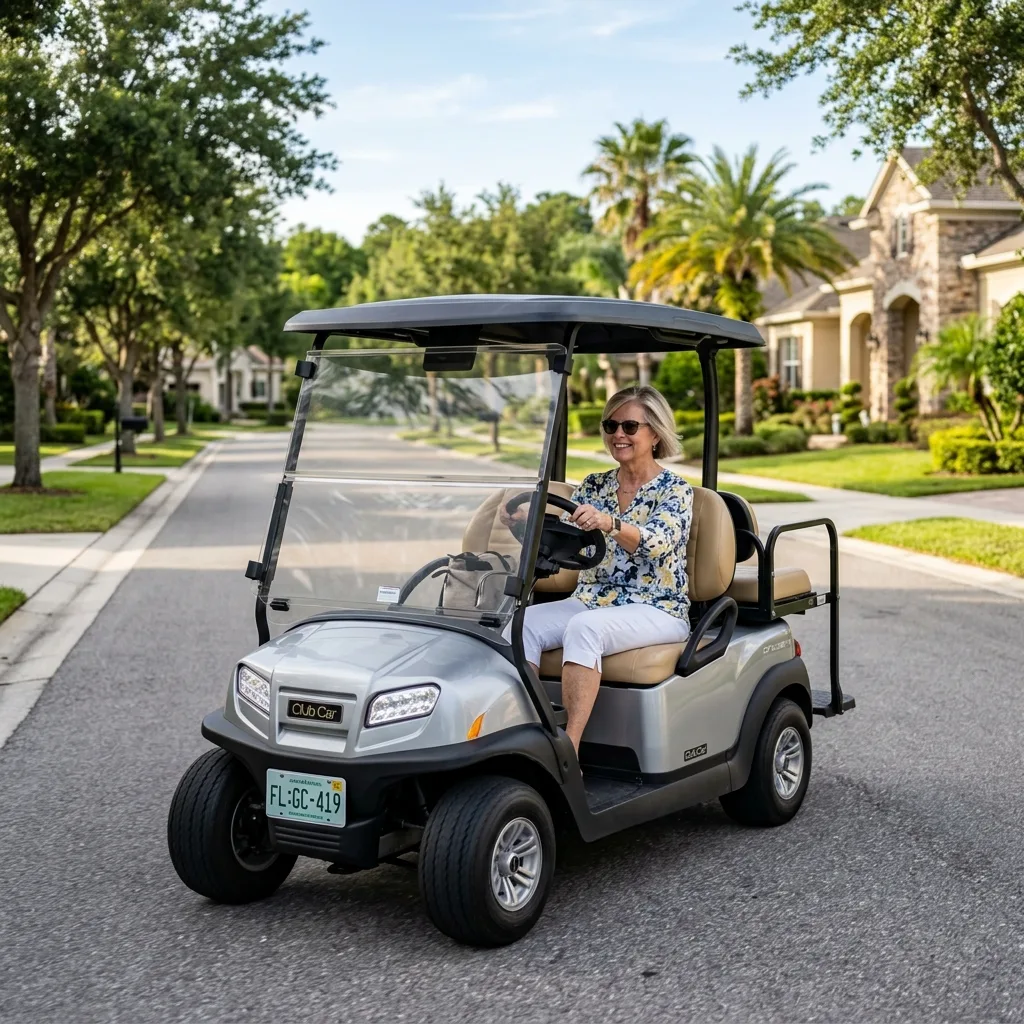
When asking if you need a license, the answer strictly depends on exactly where you intend to operate the vehicle.
Driving on Public Roads almost universally requires a valid, current driver’s license.
Law enforcement officers treat these streets as highly regulated zones where standard safety rules apply equally to every motorist.
On the other hand, operating your cart strictly on Private Property usually does not demand a driver’s license, giving you more freedom.
However, crossing the boundary from private land directly onto a public street instantly changes the legal requirements. Understanding this critical boundary represents the first step to staying out of legal trouble.
Standard Golf Carts vs. Street Legal Low-Speed Vehicles (LSVs)
Not all carts share the exact same legal classification. Manufacturers design standard golf carts primarily for the golf course, deliberately leaving off essential safety equipment to keep costs low.
In contrast, a Low-Speed Vehicle (LSV) is a highly specific legal classification reserved for carts engineered specifically for safe road use.
To achieve Street Legal status, a cart must meet rigorous federal safety standards. Once you complete these modifications, your cart becomes a true street legal machine.
An LSV can typically travel at speeds up to 25 mph. You can legally drive them on roads featuring lower speed limits, whereas standard models remain heavily restricted.
State-by-State Golf Cart Laws and Local Ordinances
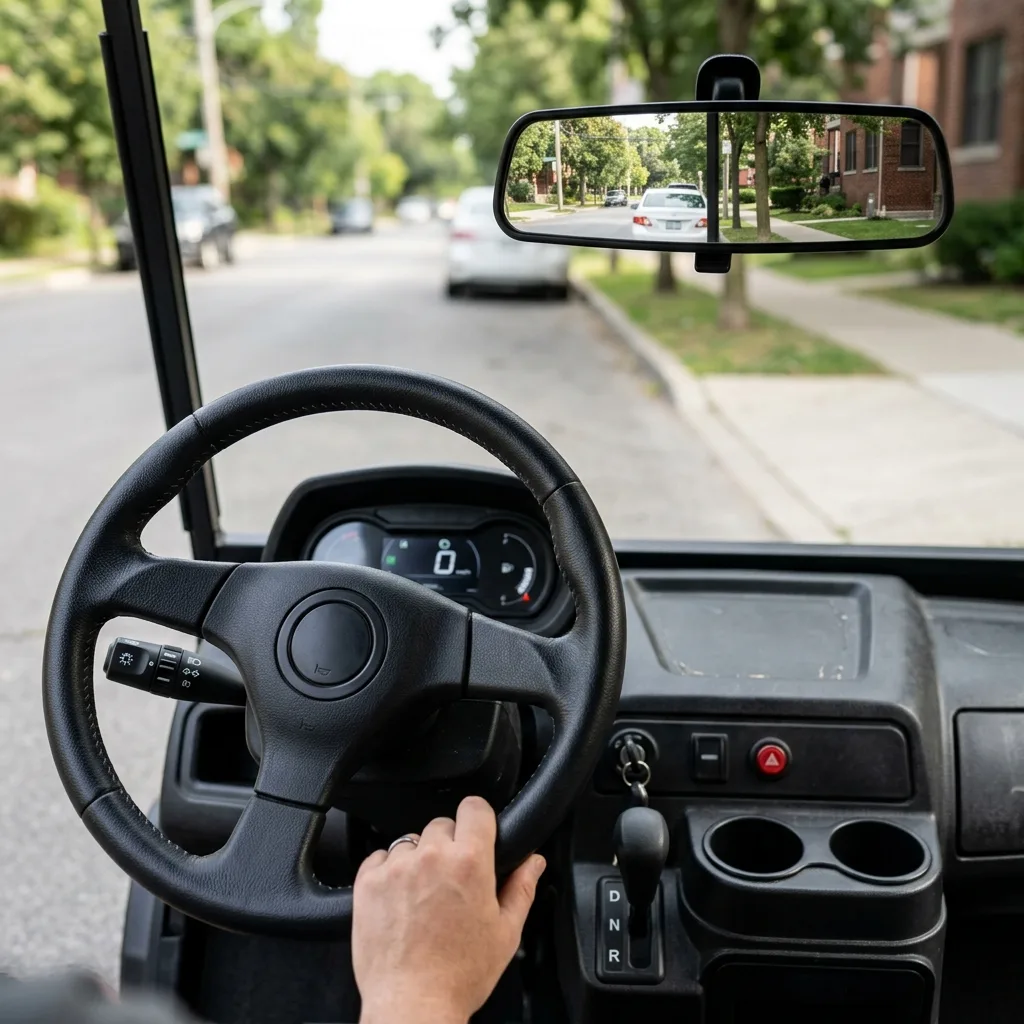
Navigating the modern legal landscape can feel frustrating because regulations vary dramatically across different parts of the country.
State governments establish baseline laws, but individual cities often enforce their own strict local ordinances on top of state rules.
For example, recent legislative updates in Florida require any driver operating a cart on public streets to possess a valid license or permit, specifically cracking down on underage drivers.
You must always review the specific laws in your home state, as some regions remain far more lenient while others actively look for minor violators. Ignorance of regional regulations will not save you from a ticket.
How to Make Your Golf Cart Street Legal and DOT-Approved
Upgrading your standard recreational cart for actual road use involves significantly more work than just adding a few basic cosmetic accessories.
The vehicle requires full DOT-approved status to pass a strict government inspection.
This process means you must install DOT-approved seat belts, exceptionally bright headlights, functional brake lights, and highly visible turn signals.
Additionally, your cart must possess a registered VIN (Vehicle Identification Number) so the state can track it legally.
Once your vehicle successfully meets these structural safety requirements, you must secure proper Registration directly through your local transit authority. Skipping even one of these mandatory steps leaves your vehicle illegal for street use.
Age Requirements: Can Kids Legally Drive Golf Carts?
Many parents mistakenly believe their young children can legally cruise around the neighborhood without any formal training.
In reality, anyone operating a motorized cart on active public streets typically needs a valid Government-issued photo ID, specifically a standard driver’s license.
Letting an unlicensed, underage driver take the wheel on public roads creates a massive liability for the entire family. Even if your teenagers are just practicing to test out some brand new golf drivers, they must stick strictly to private land.
Local governments enforce these age rules strictly to protect young, inexperienced drivers from suffering serious injuries in unpredictable traffic conditions.
Penalties for Unlicensed Driving: Citations and Fines
Law enforcement agencies no longer turn a blind eye to illegal and reckless cart use in residential zones. A massive recent police crackdown in many suburban neighborhoods has directly led to a massive surge in traffic citations.
If police officers catch you driving without a proper license or operating a cart on unauthorized fast-paced roads, you face incredibly heavy fines.
Furthermore, causing a severe accident without proper Insurance coverage can quickly lead to devastating financial ruin.
Just like choosing the absolute right driver for distance off the tee, choosing to drive legally requires careful planning and foresight to avoid massive, life-altering penalties.
HOA and Gated Community Rules for Golf Carts
Even if you reside securely inside a private gated community, you do not escape regulation entirely.
Homeowner Associations (HOAs) frequently establish their own highly strict guidelines that perfectly mimic or even exceed local municipal laws.
While some relaxed neighborhoods willingly allow unlicensed drivers to roam freely on private roads, others mandate full street-legal compliance for every single resident.
You should never assume that private community roads automatically grant you total immunity from the law or liability. Always carefully consult your official HOA handbook before taking your cart out for a casual weekend spin around the neighborhood block.
Conclusion: Always Check Local DMV Regulations
Driving a motorized golf cart offers a fantastic, eco-friendly way to enjoy your beautiful community, but this privilege comes with very real legal responsibilities.
To ensure you stay entirely within the law and avoid costly, embarrassing mistakes, always verify the absolute latest requirements directly with your local Department of Motor Vehicles (DMV).
Taking the extra time to fully understand the local rules will keep you, your family, and your neighbors perfectly safe on every journey.
Frequently Asked Questions
Can a 14 year old drive a golf cart legally?
In most states, driving a golf cart on public roads requires the driver to be at least 16 years old with a valid driver’s license. Private property rules vary, but local ordinances typically prohibit underage driving on streets.
Do you need a license to drive a golf cart in Florida?
Yes, under new legislation, anyone driving a golf cart on public roads in Florida must have a valid driver’s license or a government-issued photo ID. Driving unlicensed can result in severe citations and fines.
Are golf carts considered motor vehicles?
Standard golf carts used strictly on golf courses are generally not considered motor vehicles. However, Low-Speed Vehicles (LSVs) that are street legal and DOT-approved are classified as motor vehicles and require registration.
How do I make my golf cart street legal?
To make your cart street legal, it must be DOT-approved and equipped with safety features like seat belts, headlights, turn signals, rearview mirrors, and a VIN. You must also register it with your local DMV.
Do I need insurance for a golf cart?
If you operate a street legal LSV on public roads, you will almost certainly need liability insurance, just like a regular car. Even for off-road use, insurance is highly recommended to protect against accidents.
Get our latest guides, news, and insights highlighted in your Google Search & AI Overviews.