
The best golf driver for the money today comes from emerging Direct-to-Consumer (D2C) brands or slightly older flagship models, not brand new $600 releases.
These value-packed options deliver incredible ball speed and extreme forgiveness. They allow you to maximize your distance without emptying your wallet.
We spent weeks testing these budget alternatives against the most expensive, heavily marketed clubs currently dominating the pro shops.
Our launch monitor data completely shattered the illusion that price equals performance on the golf course. The industry wants you to believe that every new generation adds 10 yards to your drive.
The reality? That massive price hike often only buys you a fresh paint job and slightly tweaked aerodynamics.
We discovered that one specific category of budget drivers consistently outperformed models costing twice as much.
Want to know exactly which club could transform your tee game for under $300 while keeping your drives dead straight? The answer might completely surprise you.
Table of Contents
Understanding Your Swing Metrics
Before you jump into buying a new club, you must understand the key metrics that determine how far and straight you hit the ball.
The two most critical factors you need to optimize are your launch angle and your spin rate.
Your launch angle is simply the vertical angle at which the golf ball leaves the clubface immediately after impact.
Hitting up on the ball with your driver creates a higher launch angle, which generally leads to more carry distance. Conversely, hitting down on the ball creates a lower, more penetrating ball flight that can limit your overall yardage.
Equally important is your spin rate, which measures how many revolutions per minute (RPM) the ball spins backward as it flies through the air.
A high spin rate will cause the ball to balloon upwards and fall short, especially into a headwind.
A low spin rate allows the ball to bore through the air and maximize roll-out once it hits the fairway.
Finding the perfect balance between high launch and low spin is the holy grail of driving distance.
The easiest way to optimize both of these metrics is by consistently finding the center of the clubface, commonly referred to as the sweet spot.
When you strike the ball directly on the sweet spot, the club transfers maximum energy, resulting in the ideal launch angle and spin rate for your specific swing speed.
Many of the budget-friendly drivers on our list feature oversized clubheads with expanded sweet spots, ensuring that even your slight mishits still travel an impressive distance down the fairway.
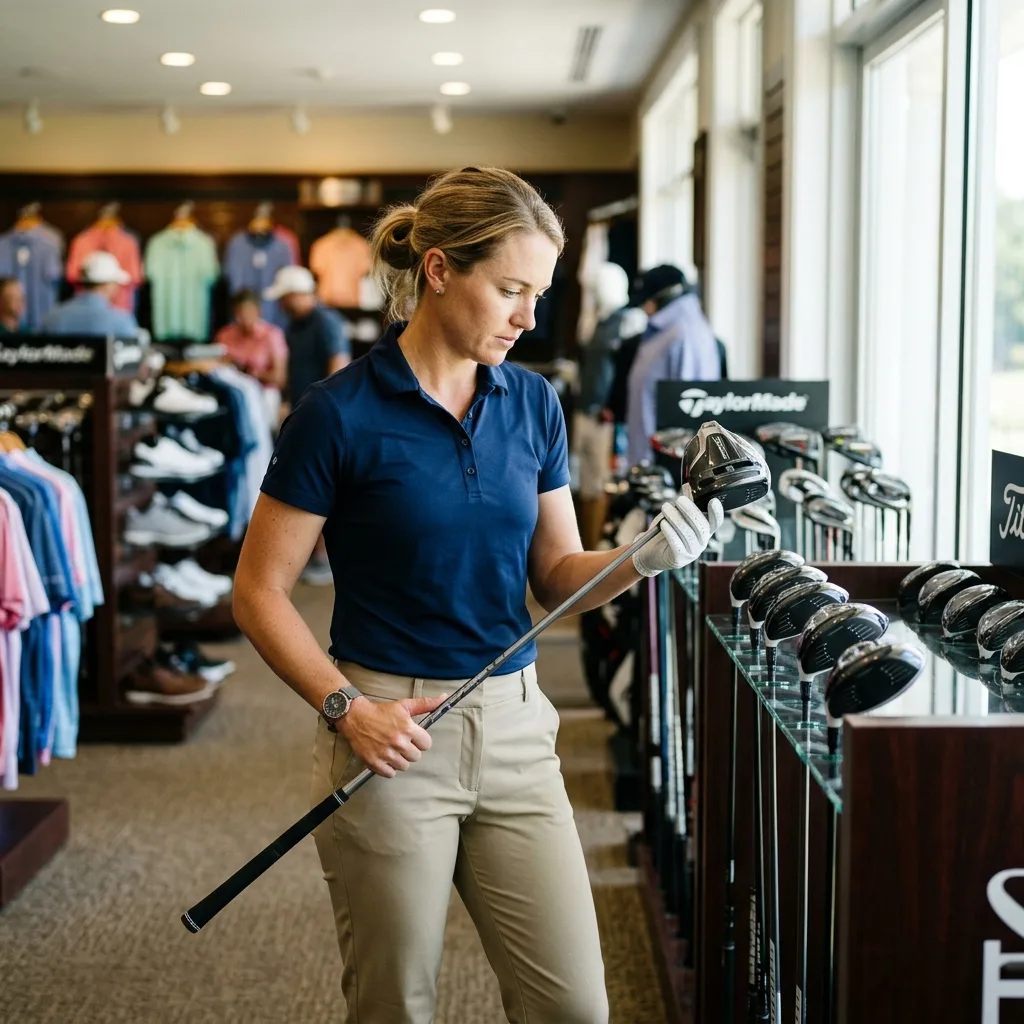
What is the Best Golf Driver for the Money?
When searching for the best golf driver for the money, you have two primary options that offer maximum value.
First, you can choose a new club from a Direct-to-Consumer brand.
Second, you can pick up a three-year-old flagship model from a major manufacturer.
Both avenues offer incredibly cost-effective ways to upgrade your bag without crossing the $300 threshold.
Our launch monitor testing confirms a hard truth. Driver technology simply has not advanced enough over the last three seasons to justify a $600 price tag for the average recreational player.
An option under $300 can easily match the launch characteristics of a premium club.
We actively look for models that maintain high ball speeds on off-center strikes.
The USGA strictly regulates the legal limit for the spring-like effect of a driver face. Manufacturers maxed out this limit years ago.
Therefore, older premium clubs and modern value clubs hit the ball just as hard as the newest releases.
Top 6 Picks for Golfers on a Budget (Under $300)
Finding a high-performing cheap driver requires knowing exactly which models deliver real results on the course.
We narrowed down our testing data to highlight the best options available right now.
Here are our top picks that keep your spend well under $300:
- Cleveland Launcher XL 2: This club offers an enormous footprint and maximum stability. The oversized head design pushes the weight low and deep to launch the ball high into the air. It serves as a fantastic choice if you struggle with a slice and need help squaring the face.
- Tour Edge Hot Launch: Tour Edge consistently builds excellent value clubs packed with hidden technology. The Hot Launch series provides high launch characteristics and effortless distance specifically designed for players with slower swing speeds. Their lifetime warranty also adds incredible long-term value.
- Kirkland Signature: Available primarily at Costco, this model completely disrupted the market. It features a titanium face and a carbon composite crown. Premium brands typically reserve these materials for their most expensive clubs, but you get them here at a fraction of the expected price.
- Takomo Ignis D1: As noted in our Takomo driver review, this D2C option brings premium aesthetics and highly competitive ball speeds to the budget category. It looks stealthy in the bag and delivers a satisfying, powerful sound at impact.
- Vice Golf VGD01: The Vice Golf VGD01 is a stunning addition to the Direct-to-Consumer driver space. Known primarily for their premium golf balls, Vice has successfully translated their high-performance, low-cost philosophy into their hardware. The VGD01 offers incredible adjustability and a carbon crown that helps push the center of gravity incredibly low. This club provides exceptional value and easily competes with major brands in terms of looks, feel, and raw ball speed.
- Used Major Brand Flagships (2021-2022 Models): Picking up a gently used Callaway Rogue ST, TaylorMade Stealth, or Ping G425 from a few years ago remains one of the smartest buys you can make. You get tour-level engineering at heavily discounted prices.
Do you specifically need help keeping the ball in play? Check out our guide on the best drivers for high handicappers. You will find targeted recommendations that prioritize extreme stability.
How to Test a Budget Driver Before Buying
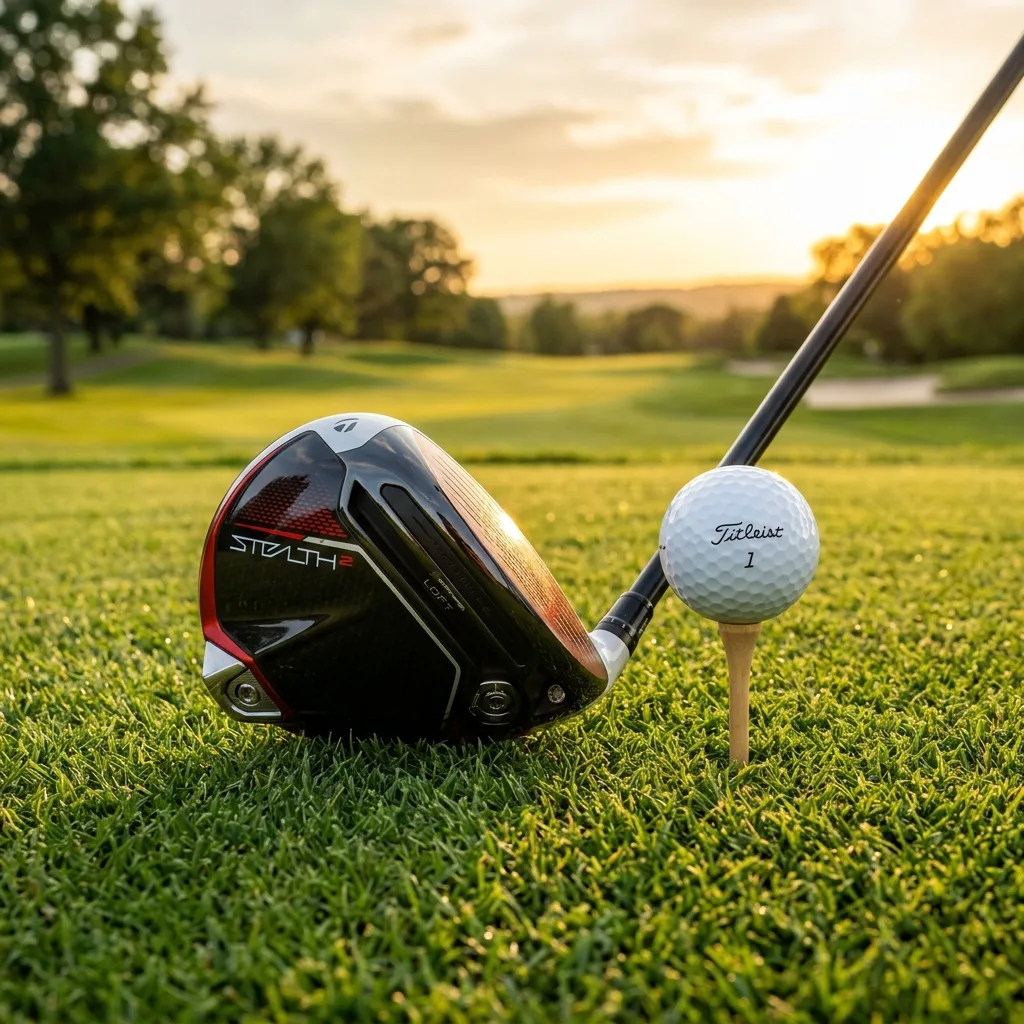
One of the main concerns golfers have when exploring Direct-to-Consumer brands or buying used golf clubs is the inability to test them properly before making a purchase.
However, the modern golf retail landscape has adapted to provide several excellent workarounds.
If you are considering a used flagship model from a couple of years ago, you can often find them in the used bins at large retail chains like PGA Tour Superstore or Worldwide Golf Shops.
These retailers will typically allow you to hit the used clubs on their in-house launch monitors.
This gives you the perfect opportunity to compare the older model directly against the brand-new $600 releases. Pay close attention to the data. If the older club produces similar ball speeds and dispersion patterns, you know you have found a great deal.
For Direct-to-Consumer brands like Takomo or Vice Golf, the process is slightly different. Since they do not have physical retail locations, you cannot simply walk in and test them.
However, many of these companies offer generous return policies or demo programs.
They understand that buying a club sight unseen is a risk, so they allow you to test the club on the course or at the driving range for a specified period.
Always read the return policy carefully to ensure you can get a full refund if the club does not suit your swing.
Final Thoughts: Finding the Best Golf Driver for the Money
You do not need to spend a fortune to hit great tee shots and enjoy your weekends on the course.
By exploring Direct-to-Consumer brands or shopping the premium used market, you can find a high-quality club that matches your swing speed perfectly without breaking the bank.
Focus entirely on finding the right shaft flex.
You also need a clubhead that provides the maximum forgiveness required to keep the ball in play.
Upgrade your bag smartly, keep your budget intact, and enjoy hitting longer, straighter drives during your next round.
Frequently Asked Questions
What is the most forgiving driver for a high handicapper on a budget?
The most forgiving budget options usually feature a large 460cc clubhead and rear-weighted designs to increase MOI. Models like the Cleveland Launcher XL 2 and Tour Edge Hot Launch excel in keeping off-center hits straight without requiring a massive investment.
Do cheap drivers hit the ball as far as expensive ones?
Yes. The USGA regulates the maximum “spring-like effect” a driver face can have. Most budget drivers reach this legal limit just like premium drivers, meaning a center strike will produce identical ball speeds regardless of price.
Is it better to buy a used premium driver or a new budget driver?
It depends on your priorities. A used premium driver (like a 2-3 year old TaylorMade or Callaway) offers advanced adjustability and premium materials. A new budget driver offers maximum modern forgiveness and the peace of mind of a fresh warranty.
Get our latest guides, news, and insights highlighted in your Google Search & AI Overviews.