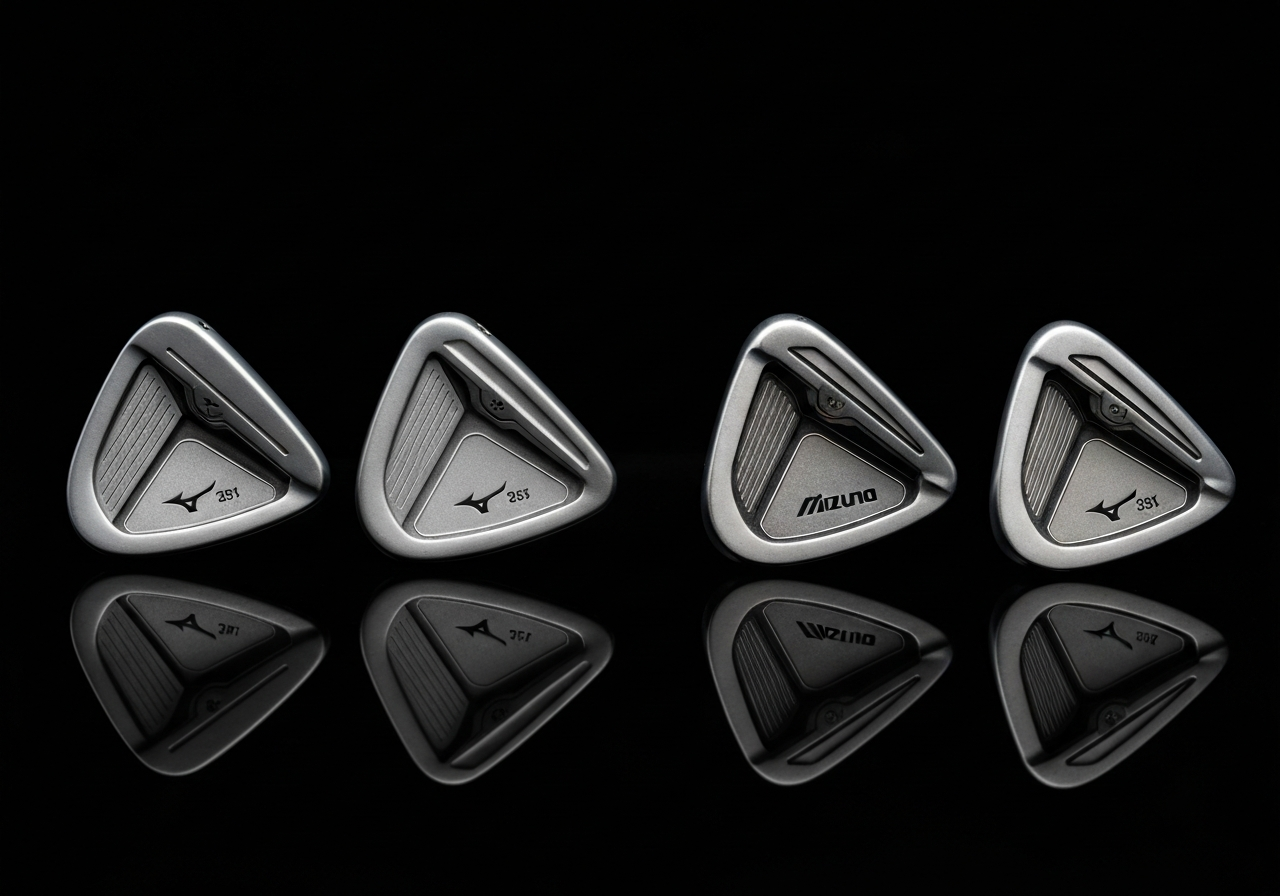
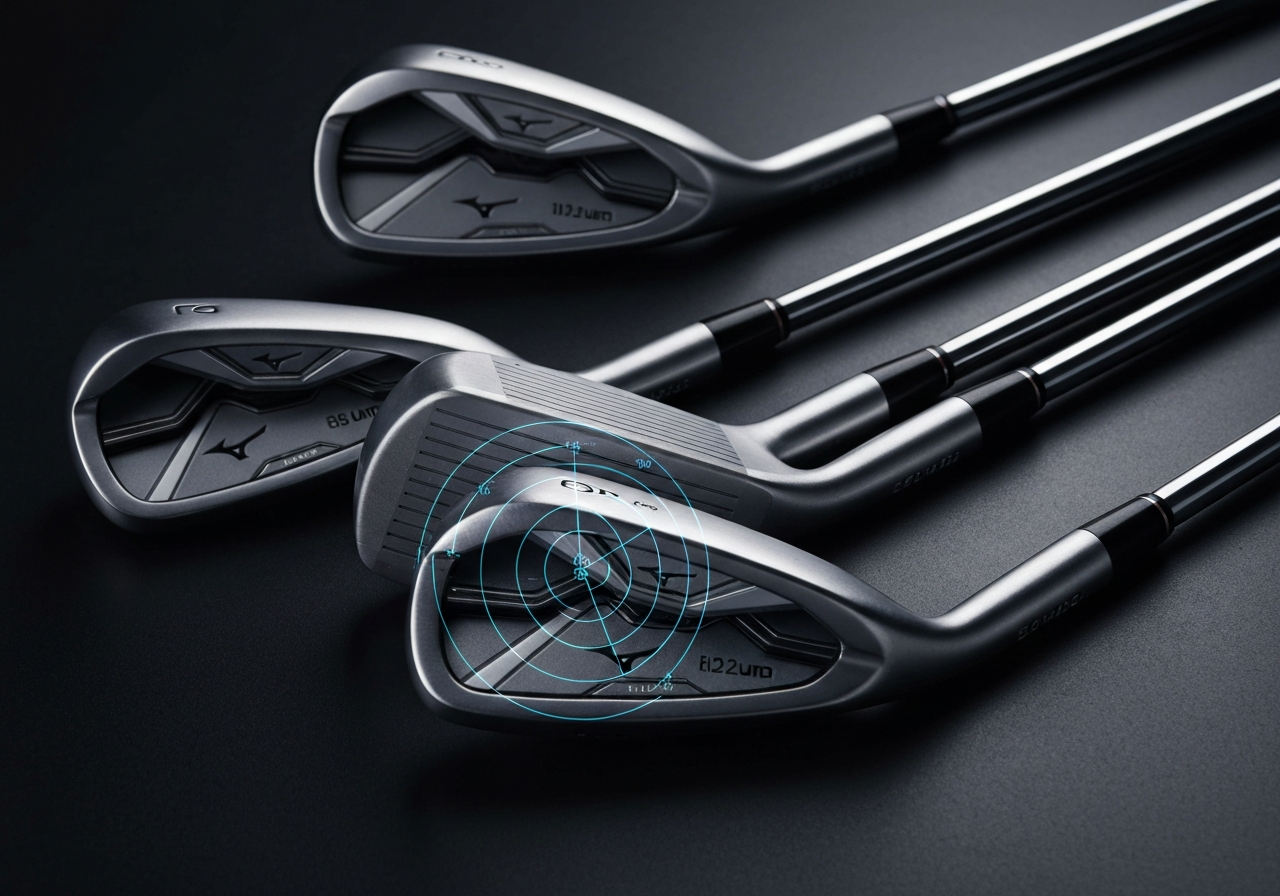
When discussing premium Mizuno irons, the conversation always centers on one thing: unmatched golf irons feel. For decades, this Japanese manufacturer has built an enduring reputation for craftsmanship that prioritizes the sensory feedback at impact above all else. Few brands command such respect among low handicappers seeking pure feedback on every shot.
This dedication resonates at the highest level. Approximately 12% of PGA Tour players trust Mizuno sticks in their bags, including former World No. 1 Luke Donald and PGA Tour winner Keith Mitchell, according to Golf Monthly. Such widespread professional adoption signals performance consistency that amateurs crave.
So, what defines the secret sauce for 2026 golf equipment? It is a blend of tradition and innovation. Mizuno utilizes Grain Flow Forging and high-density elements to create a uniform molecular structure. As noted on the Mizuno Golf Official Website, this process facilitates a soft-yet-solid feel through better energy transfer. Whether you seek the players-oriented MP series or technology-packed JPX models, the core philosophy remains rooted in optimizing both feel and performance through single billet steel construction. This balance defines why they remain a top choice for discerning golfers.
The Core Technology: Grain Flow Forging HD and Beyond
How Grain Flow Forging Works
At the heart of Mizuno iron technology lies a proprietary manufacturing process that sets the brand apart. The company utilizes a unique 3-step forging sequence involving precise heating, shaping, and controlled cooling to lock in the grain structure. This method ensures the metal grain structure flows continuously through the head, rather than being cut from a block. The Grain Flow Forging HD process further enhances this by refining grain consistency, resulting in a denser metal structure that delivers exceptional feedback at impact. This attention to detail ensures that every club performs reliably under pressure, providing the consistent distance tour professionals demand.
Harmonic Impact Technology 2.0 Explained
Feel is not just about softness; it is about sound and vibration management. Harmonic Impact Technology 2.0 employs carefully engineered internal ribs to filter unwanted frequencies. According to Golfshake, this technology ensures that even hollow-body designs retain the signature pure sensation players expect. This damping system stabilizes vibration, creating a solid auditory cue that confirms center-face contact. It allows modern cavity backs to feel like traditional blades, bridging the gap between forgiveness and sensory feedback for better player confidence.
Material Science: 1025E Steel and Chromoly 4140M
Material choice dictates performance categories within the lineup. The MP-25 irons utilize soft 1025E steel, prioritizing feel and workability for skilled ball strikers. In contrast, the JPX923 Hot Metal Pro leverages strong Chromoly 4140M. As noted by Golf Monthly, the brand splits choices between the technology-packed JPX series and the MP series to suit different abilities. The Chromoly construction allows for thinner faces and higher ball speeds, while the 1025E offers a buttery soft sensation preferred by purists. Some models also utilize L-Face geometry, a breakthrough welding technique that increases sole flex. To further aid stability, specific models feature tungsten weighting of 51g in the long irons. This combination of materials and weighting ensures stability and accuracy across the entire set, maximizing launch conditions for every player. This engineering precision defines the modern Mizuno experience.
2024-2025 Mizuno Iron Lineup Breakdown
Mizuno structures its iron family to address specific player needs, typically splitting offerings between the technology-packed JPX series and the feel-oriented MP or Pro series. Understanding these distinctions is key to finding the right set for your swing.
MP-25: The Purest Feel
For the purist seeking maximum feedback, the Mizuno MP-25 stands alone. Constructed from 1025E steel, these irons utilize Grain Flow Forging to deliver a soft, solid sensation at impact that few competitors can match. The design features a refined sole camber that ensures clean turf interaction, allowing skilled ball strikers to control trajectory and shape shots with confidence. This model remains the benchmark for players who prioritize touch over raw distance.
JPX923 Series: Hot Metal, Pro, andMizuno’s current iron range spans from pure feel (MP-25) to distance-focused (JPX923 Hot Metal) to tour precision (Pro 225).
Performance on the Course: What the Data Shows
When evaluating Mizuno iron performance, objective data confirms the brand’s reputation for excellence. Independent testing reveals consistent high marks across feel, distance, and playability metrics.
Feel and Sound Metrics
In recent golf iron feel test rankings, Mizuno models frequently dominate the top spots. The JPX923 Hot Metal secured the #2 spot for feel and #4 overall in MyGolfSpy testing. This sensory feedback stems from the Grain Flow Forging HD process, which concentrates grains behind the hitting area for a soft-yet-solid sensation. Golf Digest consistently praises this feedback loop, noting how it helps players diagnose strike quality instantly.
Distance and Forgiveness Benchmarks
Performance varies by model, but dispersion data highlights significant gains for mid-handicappers. Players in the 10–18 handicap range report tighter dispersion and improved consistency with MP-25 and HMB models. The use of 1025E Mild Carbon Steel optimizes energy transfer, ensuring that off-center hits still retain ball speed. For those comparing options, our guide on the best golf irons further breaks down how forging impacts distance control.
Tour Usage and Player Feedback
Despite a market saturated with cast alternatives, tour iron usage statistics show Mizuno maintains a steady presence. Approximately 12% of PGA Tour players trust Mizuno blades and cavity backs in their bags. Notable professionals like Luke Brooks and Chris Kirk rely on these irons for precision under pressure. This adoption rate at the highest level validates the technology used in consumer models, proving that the same engineering designed for pros translates to better scores for amateurs.
How Mizuno Compares: Titleist T-Series vs. Callaway Paradym
When evaluating premium sticks, the debate often centers on Mizuno vs Titleist irons or Mizuno vs Callaway irons. Each brand targets specific performance metrics suited to different swing profiles. Understanding these distinctions helps buyers select the right tool for their game without compromising on quality or consistency.
Feel and Feedback: Mizuno’s Edge
Mizuno leads in pure sensation. According to Mizuno Golf Official Website, their Grain Flow Forging HD concentrates grains behind the hitting area for a denser structure. Using 1025E Mild Carbon Steel, this creates a highly precise club head with better energy transfer. In any iron feel comparison, this forging process sets the standard for feedback. Golfers instantly know where the ball struck the face, providing confidence on every shot.
Workability and Control: Titleist Comparison
Titleist T-Series edges in tour precision. While Mizuno offers consistency, Titleist often provides slightly more workability for serious shot shapers seeking specific trajectory control. Players debating between these brands often consider their handicap and desired ball flight. If you are looking at player’s distance categories elsewhere, you might wonder what is the difference between Taylormade P770 and P790, but here the focus remains on forged precision versus tour validation. Titleist remains the choice for those demanding exacting standards on tour.
Distance and Forgiveness: Callaway Benchmark
Callaway Paradym excels in distance and forgiveness, especially for higher handicaps. When comparing Mizuno vs Callaway irons, choose Callaway for max launch and Mizuno for control. Expert consensus clarifies that Mizuno’s sweet spot is low-to-mid handicappers prioritizing feedback over max distance. Callaway utilizes AI-designed faces for speed, whereas Mizuno relies on steel quality and tradition. This distinction defines the modern iron market landscape. Select the brand that aligns with your priority on the course.
Mizuno excels in feel and feedback, Titleist in workability, Callaway in distance and forgiveness — based on 2024 expert testing.
Who Should (and Shouldn’t) Buy Mizuno Irons in 2026
Ideal Mizuno Buyer: Skill Level and Priorities
If you are asking should I buy Mizuno irons, the answer depends heavily on your current game. These clubs are ideal for low-to-mid handicappers (0-18) who prioritize feel, feedback, and shot-shaping capabilities. The proprietary Grain Flow Forging HD process concentrates grains behind the hitting area, creating a denser, more uniform molecular structure. According to Mizuno, this results in better energy transfer and facilitates that soft-yet-solid feel golfers love. Players seeking pure feedback will find this unmatched by cast alternatives using standard materials.
When to Consider Alternatives
High-handicappers (>20) needing maximum forgiveness might find better results with other brands. While the JPX923 HL or Hot Metal models offer significant help, game-improvement options from Callaway or TaylorMade may provide superior stability on off-center hits. Finding the best Mizuno irons for handicappers outside the low-to-mid range requires careful model selection to avoid frustration on the course.
Fitting Tips: Getting the Most from Your Irons
Dynamic fitting is non-negotiable to unlock performance. You must verify shaft flex, lie angle, and sole grind before purchasing. Note that the MP-25 MB requires precision ball striking, whereas the HMB offers more forgiveness for evolving swings. Consult a comprehensive golf iron fitting guide to ensure your specs match your swing dynamics. This is crucial to maximize the benefits of 1025E Mild Carbon Steel construction and ensure consistency throughout your bag. Proper specs ensure the forging benefits translate to actual yardage gains.
Are Mizuno irons worth the price compared to Titleist or Callaway?
Mizuno irons command a premium for their renowned feel and craftsmanship, making them worth the investment for players who prioritize precise feedback and workability. However, their game-improvement models like the JPX923 Hot Metal offer competitive pricing that aligns closely with Titleist or Callaway equivalents.
Which Mizuno iron is best for a 15 handicapper?
For a 15 handicapper, the Mizuno JPX923 Pro or MP-25 HMB are ideal choices that offer a perfect blend of feel and forgiveness for mid-handicappers. These irons deliver improved turf interaction and consistency over older models, providing the reliability needed to enhance your overall performance.
Do any PGA Tour players use Mizuno irons in 2026?
Yes, approximately 12% of PGA Tour players trust Mizuno irons in 2026, including professionals like Chris Kirk and Luke Brooks who rely on models such as the MP-20 MB or Pro 221. These athletes specifically choose these Mizuno blades and cavity-backs for their superior feedback and precise control on the course.
This article was fully refreshed on dubna 28, 2026 with updated research, new imagery, and current 2026 information.
Make GolfGearDirect.blog a Preferred Source
Get our latest guides, news, and insights highlighted in your Google Search & AI Overviews.