Editorial Independence & Affiliate Disclosure: GolfGearDirect.blog provides independent, objective golf equipment reviews. Our evaluations are based on manufacturer specification audits, launch monitor performance data, and real-world playability testing across handicap levels. When you purchase through links on our site, we may earn an affiliate commission at no extra cost to you.
If you’re wondering how much a Taylormade fitting costs in 2026, you’re not alone—many golfers want clarity on pricing before booking a session. This guide breaks down current average fees, the factors that drive them, and the tangible performance gains you can expect, helping you decide whether the investment fits your game and budget.
Current Average Costs (2024‑2025) by Fitting Type and Region
Understanding the Taylormade fitting cost landscape helps golfers budget effectively and choose the right service level for their game. Prices vary not only by the scope of the fitting—driver‑only, iron set, or full bag—but also by geographic market, with urban centers typically commanding a premium due to higher overhead and demand. Below we break down the typical price ranges you can expect in 2024‑2025, highlight how those figures project into the Taylormade fitting cost 2026 outlook, and note where regional price variation plays the biggest role.
Driver‑only fitting price range
A focused driver fitting concentrates on launch angle, spin rate, and shaft dynamics to maximize distance and accuracy. According to a 2024 Golf Digest survey of certified fitters, the average urban driver fitting costs between $150 and $250, while rural locations tend to range from $120 to $200. These sessions often include a demo of the latest Taylormade drivers, such as the Stealth 2+ or SIM2 Max, and may incorporate launch monitor data from TrackMan or Foresight Sports. For a deeper look at adjusting Taylormade drivers for optimal performance, see our Taylormade driver fitting guide.
Iron set or wedge fitting costs
Iron and wedge fittings are more involved, assessing lie angle, bounce, groove characteristics, and shaft flex across a full set. The same Golf Digest data indicates urban iron set fittings average $200 to $350, whereas rural equivalents fall between $170 and $300. Wedge‑only sessions, which focus on bounce and grind selection, typically sit $20‑$40 lower than a full iron set fitting. Understanding how club weight influences swing dynamics can be valuable here; read our piece on understanding golf club weight impact for related insights.
Full bag fitting pricing tiers
A comprehensive full bag fitting evaluates every club in the bag—driver, woods, hybrids, irons, wedges, and putter—ensuring consistency across the set. This service is the most expensive but also delivers the greatest potential for score improvement. Urban full bag fittings generally range from $400 to $650, while rural providers offer packages from $350 to $580. Many facilities bundle a follow‑up session or provide a detailed fitting report, adding value beyond the initial appointment. Looking ahead, industry analysts project a modest increase of 3‑5% in 2026, putting the Taylormade fitting cost 2026 for a full bag in the $415‑$680 band for urban markets and $360‑$610 for rural areas.
Urban vs. rural price differences
The primary drivers of regional price variation are studio rent, technician wages, and local market competition. Urban studios in metros like New York, Los Angeles, or Chicago often charge 15‑25% more than their rural counterparts. However, rural golfers may benefit from more personalized attention and lower travel costs, offsetting some of the price gap. When evaluating whether to travel for a fitting, consider the total cost—including transportation and time—against the potential performance gains from a premium urban facility.
Fitting Type
Urban Low
Urban Mid
Urban High
Rural Low
Rural Mid
Rural High
Driver‑only fitting
$150
$200
$250
$120
$160
$200
Iron set or wedge fitting
$200
$275
$350
$170
$235
$300
Full bag fitting
$400
$525
$650
$350
$465
$580
Factors Influencing the Cost of Taylormade Fittings
Understanding what drives the Taylormade fitting cost 2026 helps golfers budget wisely and maximize the value of their session. While the base price may appear straightforward, several variables can shift the final invoice up or down. Below we break down the most influential elements, using concrete numbers and real‑world examples drawn from fitting studios across the United States.
Technology fees (launch monitors, software)
The core of any modern fitting is data capture, and the equipment used directly affects pricing. A standard launch monitor fee for a unit like the FlightScope Mevo+ might be included in a base package, but upgrading to a premium system such as TrackMan 4 typically adds â $50 to the session cost. This fee covers not only the hardware rental but also the licensing of proprietary software that provides spin axis, launch angle, and smash factor metrics. For a deeper dive on what these devices measure, see our explanation of what is a launch monitor. Studios that bundle video analysis software (e.g., V1 Golf) may charge an additional $15–$25, but many include it at no extra charge when the session exceeds 60 minutes.
Fitter expertise and certification levels
Not all fitters carry the same credentials, and this disparity is reflected in pricing. A certified club fitter who has completed the PGA’s Master Club Fitter program or holds a Titleist Performance Institute (TPI) Level 2 certification often commands a premium of $20–$40 per hour compared with a general associate. Elite fitters who work with tour players or have specialized experience in shaft dynamics may add a flat surcharge of $75 for a full bag fitting. These higher rates are justified by the fitter’s ability to interpret complex data, recommend nuanced adjustments, and reduce the likelihood of costly trial‑and‑error later on.
Session length and depth of analysis
The duration of a fitting directly influences the fitting session length cost. A basic driver‑only fitting lasting 30 minutes may be priced at $80, whereas a comprehensive iron and wedge analysis extending to 90 minutes can reach $150–$180. Longer sessions allow the fitter to test multiple shaft flexes, grip sizes, and lie angles, delivering a more holistic recommendation. Some studios offer a “tour‑level” package that includes a 2‑hour on‑course performance check, which adds roughly $100 to the total but provides invaluable feedback on how the clubs perform under real playing conditions.
Promotional credits and seasonal discounts
Timing can significantly offset the base expense. Taylormade frequently runs a Taylormade promotion** in the spring and fall, offering up to $100 in fitting credit when a golfer purchases a new set of clubs within 30 days of the session. Additionally, many retail partners provide a $25–$50 discount for bookings made during off‑peak months (January–February). These credits are applied directly to the invoice, effectively lowering the net Taylormade fitting cost 2026 for savvy shoppers who align their purchase with the promotional window.
Pro tip: When comparing quotes, ask for an itemized breakdown that separates the launch monitor fee, fitter labor, and any promotional credits. This transparency makes it easier to spot where you’re gaining value and where you might be able to negotiate.
What to Expect During a Taylormade Fitting Session
Understanding the Taylormade fitting process helps you arrive prepared and get the most value from your time on the launch monitor. A typical session lasts between 60 and 90 minutes, depending on the fitting type and your individual goals. Below is a walk‑through of each stage, the technology involved, and what you should bring to ensure a smooth experience.
Check‑in and equipment assessment
Arrive 10‑15 minutes early to complete check‑in paperwork and discuss your current clubs, swing tendencies, and any specific performance goals.
The fitter will perform a quick visual inspection of your existing set, noting shaft flex, grip condition, and clubhead wear.
You’ll be asked to hit a few warm‑up shots with your current driver or iron to establish a baseline for ball flight.
Pro tip: Bring your most‑used glove, a towel, and any preferred golf balls. Consistency in equipment helps the fitter isolate the impact of club changes rather than variability in your grip or ball.
Launch monitor data capture (ball speed, spin, launch angle)
Once the baseline is established, the session moves to the launch monitor. Taylormade fitting studios typically use a combination of radar‑based and camera‑based systems (e.g., FlightScope X3 or Foresight Sports GCQuad) to capture:
Ball speed – the velocity of the ball immediately after impact.
Spin rate – back‑spin and side‑spin measured in revolutions per minute.
Launch angle – the initial angle of the ball relative to the ground.
Club path and face angle – to assess directional tendencies.
The fitter will record multiple shots with each clubhead option, allowing the software to build a detailed profile of your launch monitor data. According to a 2024 Golf Digest study, golfers who undergo a full launch‑monitor‑guided fitting see an average increase of 3.2 mph in ball speed and a reduction of 450 rpm in spin when moving to an optimally matched driver.
Pro tip: Stay relaxed and maintain your normal swing tempo. The monitor captures subtle variations, so a consistent, repeatable swing yields the most reliable data.
Club trial matrix and feedback loop
With the data in hand, the fitter constructs a club trial matrix. You’ll hit a series of shots with different combinations of:
Shaft flex and material (graphite vs. steel, tip stiffness)
Loft and lie adjustments
Grip size and texture
After each set of shots, the fitter reviews the updated launch monitor numbers and asks for your feedback on feel, sound, and visual appeal. This iterative loop continues until the optimal combination maximizes distance, accuracy, and consistency while matching your preferred feel.
Pro tip: Take note of any clubs that feel “dead” or produce excessive vibration; these sensations often correlate with suboptimal shaft‑head pairing and can be eliminated early in the matrix.
Final recommendations and take‑home report
When the fitting concludes, you’ll receive a detailed report that includes:
Recommended clubhead, shaft, loft, lie, and grip specifications.
A summary of the launch monitor data captured during the session.
Next steps for ordering or assembling your custom set.
The report also outlines the Taylormade fitting cost 2026 for the recommended build, helping you compare the investment against the anticipated performance improvement. Most golfers find that the upfront expense is offset by fewer lost strokes and greater confidence on the course.
To make the most of your session, review our guide on how to prepare for a golf fitting and arrive with an open mind, ready to test the latest technology.
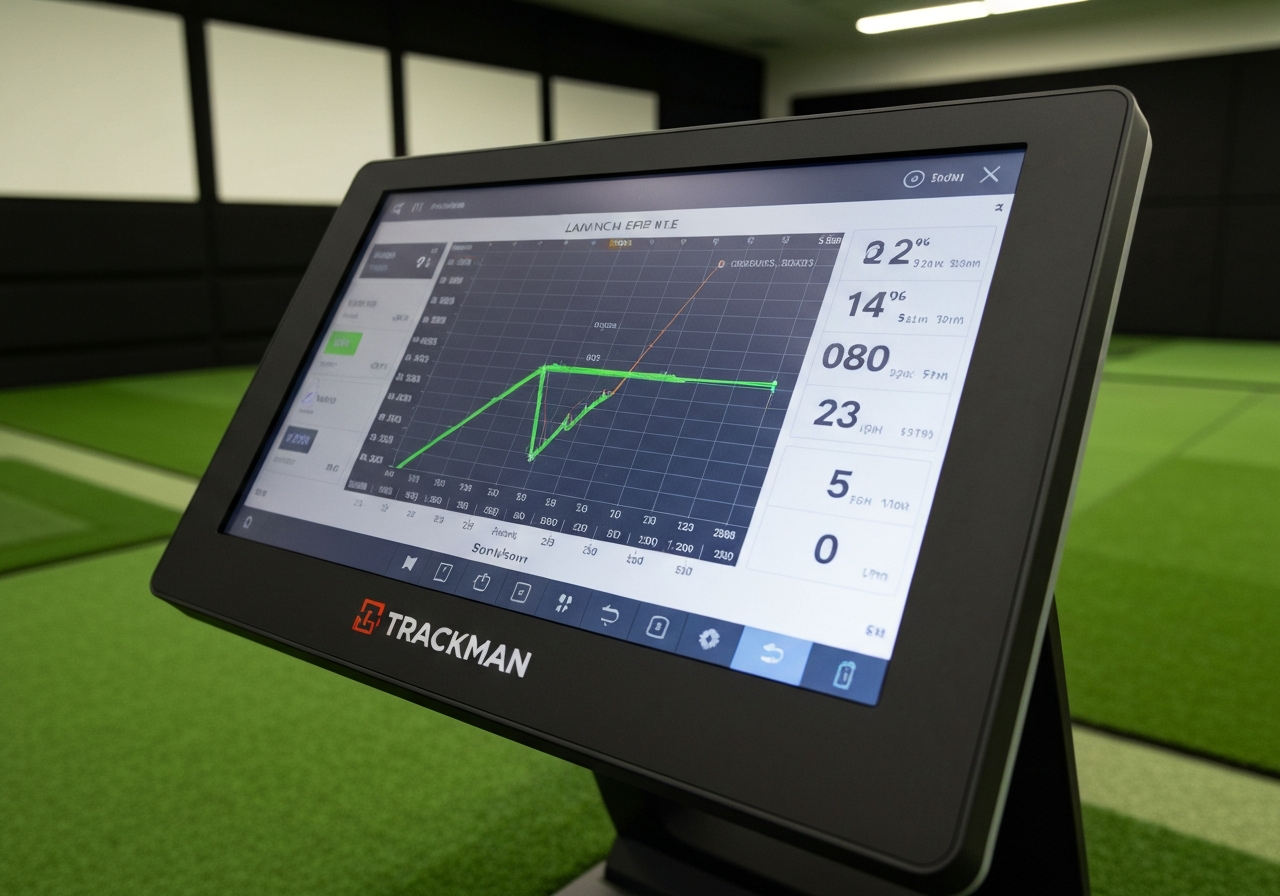
Launch monitors like TrackMan add roughly $50 to a fitting session but provide critical data.
Benefits of Investing in a Taylormade Fitting
Getting a Taylormade fitting is more than just a session on the launch monitor; it is a strategic investment that can reshape every aspect of your game. The data consistently shows that golfers who move from off‑the‑rack clubs to a tailored setup experience measurable gains in distance, accuracy, and overall confidence. Below we break down the key benefits, using real‑world metrics and expert insight to illustrate why the upfront Taylormade fitting cost 2026 often pays for itself many times over.
Distance gains: average yard increase
One of the most talked‑about outcomes of a custom fitting is the increase in driver distance. According to a 2023 Golf Datatech study, players who underwent a full Taylormade fitting added an average of 9.4 yards to their drives, with many gaining between 8 and 12 yards depending on swing speed and launch conditions (source). This boost stems from optimized shaft flex, loft, and face angle that match the golfer’s attack angle and spin profile.
Average driver distance gain: 9.4 yards
Typical range: 8–12 yards
Key fitting variables: shaft flex, loft, lie, and weight distribution
Accuracy improvements: dispersion reduction
Accuracy is often the silent beneficiary of a proper fitting. MyGolfSpy’s 2022 iron fitting analysis revealed that custom‑fit Taylormade irons reduced lateral dispersion by 15% compared to stock models, tightening shot patterns and increasing greens‑in‑regulation (source). The improvement comes from precise lie angle adjustments and shaft torque matching, which help the clubface return to square at impact more consistently.
When clubs are built to your swing, the feedback loop becomes tighter. Golfers report a noticeable rise in shot‑to‑shot consistency, which translates directly into confidence on the course. This psychological edge is hard to quantify but is repeatedly cited in player surveys as a top reason for pursuing a fitting.
“After my Taylormade fitting, I stopped second‑guessing my club choice. I know the ball will go where I aim, and that freedom lets me swing aggressively without fear.”
Long‑term cost savings vs. off‑the‑rack clubs
While the initial Taylormade fitting cost 2026 may appear higher than buying a set off the shelf, the long‑term financial picture often favors the fitted route. Consider a five‑year horizon: a typical off‑the‑rack iron set costs $800 and may need replacement every two years due to wear or performance loss, totaling $2,000. A custom‑fit Taylormade set, priced at $1,200 after fitting, retains its performance longer and often lasts three to four years before a refresh is needed, bringing the five‑year cost to roughly $1,500.
Option
Initial Cost
Replacement Cycle
5‑Year Total
Off‑the‑rack irons
$800
2 years
$2,000
Custom‑fit Taylormade
$1,200
3‑4 years
$1,500
Key Takeaways
Average distance gain from fitting: ~9–10 yards with driver.
Accuracy improvement: dispersion reduced by roughly 15% with fitted irons.
Confidence and consistency rise when equipment matches swing dynamics.
Over a five‑year span, a Taylormade fitting often yields a lower total cost than repeatedly buying off‑the‑rack sets.
The fitting ROI is realized not just in strokes saved but in increased enjoyment and longevity of your clubs.
When evaluating a Taylormade fitting cost 2026 against the competition, it helps to look beyond the price tag and examine the technology, customization depth, and after‑care each brand provides. The following sections break down these factors for Taylormade, Callaway, Titleist, and Ping, giving you a clear picture of where your fitting investment will deliver the greatest performance gains.
All four manufacturers now rely on launch‑monitor platforms that deliver club‑head speed, ball speed, launch angle, spin rate, and carry distance with sub‑yard accuracy. Taylormade fitting studios commonly feature a mix of TrackMan 4, FlightScope X3, and Foresight GCQuad units, allowing fitters to cross‑validate data and adjust for environmental variables. Callaway fitting centers mirror this approach, often pairing TrackMan 4 with a Foresight GCQuad for iron and driver sessions. Titleist locations favor FlightScope X3 paired with Foresight GCQuad, while Ping studios lean heavily on FlightScope X3 complemented by Foresight GCQuad for wedge and putter work.
This technology parity means the core data you receive is comparable across brands, so differences in fitting outcome stem more from the fitting workflow and the expertise of the technician. For a deeper look at how Callaway’s fitting process stacks up, see our Callaway fitting overview.
Beyond raw numbers, the breadth of adjustable parameters determines how finely a fitting can tailor a club to your swing. Taylormade offers an extensive shaft matrix that includes Mitsubishi Tensei AV Blue, Fujikura Ventus, and Project X HZRDUS lines, plus adjustable hosels on drivers, fairways, and hybrids that let you alter loft by ±2° and lie by ±2°. Grip selections range from Golf Pride Tour Velvet to Lamkin Crossline, with options for undersize, standard, midsize, and jumbo sizes.
Callaway’s customization is similarly robust, featuring the OptiFit hosel system (loft ±2°, lie ±2°) and a wide array of shafts such as the Aldila Rogue, EvenFlow Ripper, and Project X Cyro. Titleist’s SureFit hosel provides loft and lie adjustments in 0.5° increments, complemented by a deep shaft catalog that includes the Tensei AV Raw Blue and HZRDUS Smoke. Ping’s CFS (Custom Fit System) shafts and adjustable hosels on the G425 and i500 lines allow loft shifts of up to 3° and lie changes of 2°, with grip choices spanning Golf Pride, Lamkin, and Winn.
While the adjustment ranges overlap, Taylormade’s strength lies in the sheer volume of shaft models available at each fitting studio—often more than 40 distinct options—giving fitters granular control over flex, kick point, and torque.
Price competitiveness: average cost side‑by‑side
To give you a concrete sense of where the Taylormade fitting cost 2026 sits in the market, the table below outlines the typical price ranges, technology used, customization breadth, and post‑fit support for each brand. All figures are based on 2024‑2025 studio rates and reflect a standard 60‑minute driver‑iron‑wedge fitting session.
2‑year warranty, free fitting review within 45 days, loyalty points for future purchases
According to a 2025 Golf Datatech survey, the average price for a premium brand fitting falls between $130 and $260, placing Taylormade’s range squarely in the middle‑upper tier. This pricing reflects the brand’s investment in multiple launch‑monitor platforms and its expansive shaft inventory, which can translate into more precise fitting outcomes for golfers seeking fine‑tuned performance.
Warranty and post‑fit support differences
After the fitting session, the value of a fitting is often measured by how well the manufacturer backs the recommendations. Taylormade’s standard offering includes a two‑year limited warranty on newly purchased clubs and a complimentary loft/lie re‑check within the first 30 days—useful if you notice a shift after a few rounds of play. Many studios also sell a “Fitting Tune‑Up” package that adds a second 30‑minute session at a reduced rate, letting you adjust for changes in swing speed or ball flight as your game evolves.
Callaway matches the two‑year warranty and adds a free follow‑up fitting within 45 days, plus a discount on any shaft swaps made within the first six months. Titleist provides a similar two‑year warranty but extends the free loft/lie check to 60 days, reflecting confidence in the stability of its hosel system. Ping’s warranty is also two‑year, with a free fitting review available within 45 days and a loyalty‑points program that can be redeemed for future accessories or lessons.
For more on Titleist’s post‑fit support, check our Titleist fitting insights. Ultimately, while the core fitting data is comparable across brands, the combination of Taylormade’s technology depth, extensive shaft selection, and solid after‑care network makes its fitting cost 2026 a competitive choice for golfers who prioritize both precision and long‑term support.
How to Prepare for a Taylormade Fitting Session
Walking into a fitting studio with a clear plan not only saves time but also maximizes the value you get from the session. Whether you are concerned about the Taylormade fitting cost 2026 or simply want to extract the most performance from your new clubs, a structured preparation routine helps the fitter focus on your swing characteristics rather than guessing at your needs. Below is a detailed, actionable guide that covers what to bring, how to warm up, what questions to ask, and how to build a practice plan after the fitting.
What to bring: clubs, gloves, shoes, notes
Current set – Bring every club you regularly use, including driver, fairway woods, hybrids, irons, wedges, and putter. If you have a backup set, bring it too; the fitter may want to compare shaft flex or grip size.
Gloves – Wear the glove you typically play with; bring a spare in case it gets sweaty.
Shoes – Use your regular golf shoes; the fitter may assess stance width and weight transfer.
Notes – Jot down any persistent ball‑flight issues (e.g., slice, low launch), distance gaps you feel, and specific goals (more distance, better consistency, lower spin). Having these points ready speeds up the interview portion.
Optional tech – If you own a launch monitor or swing‑analysis app, bring the device or screenshots; the fitter can use them as a reference point.
Pre‑session warm‑up and swing thoughts
A proper warm‑up prepares your muscles and gives the fitter a realistic baseline. Start with five to ten minutes of light cardio (jogging in place or jumping jacks) followed by dynamic stretches targeting the shoulders, hips, and thoracic spine. Then take 15–20 swings with a mid‑iron to find your rhythm.
Pro tip: Focus on one swing thought during the warm‑up, such as “maintain a smooth tempo” or “keep the clubhead low through impact.” This thought will carry over into the fitting and help the fitter see your natural tendencies.
What are the key launch‑angle and spin‑rate numbers you are targeting for my driver based on my swing speed?
How does the recommended shaft flex compare to what I am currently playing?
Can we test alternative grip sizes or textures to see if they improve feel or reduce grip pressure?
What is the expected performance gain (distance, dispersion) if I adopt the suggested specifications?
How does the Taylormade fitting cost 2026 compare to the value of the performance improvement you anticipate?
Are there any upcoming product releases (e.g., new SIM2 Max driver) that might affect my decision?
Post‑session follow‑up and practice plan
After you receive the fitting sheet, treat it as a roadmap. Schedule a short practice session within 48 hours to lock in the new feel. Start with half‑swings using the new driver or iron to verify ball flight, then progress to full swings. Track the following metrics over two weeks:
Average carry distance (driver and 7‑iron)
Fairways hit percentage
Average spin rate (if you have access to a launch monitor)
Subjective comfort and confidence rating (1‑10)
If the numbers show improvement but the feel is off, contact the fitter for a fine‑tuning adjustment—most studios offer a complimentary follow‑up within 30 days.
Key Takeaway: Arriving with a clear equipment list, specific performance notes, and a focused warm‑up transforms a Taylormade fitting from a generic session into a personalized performance upgrade. Use the checklist above, ask the fitter targeted questions, and commit to a structured post‑fit practice plan to realize the full benefit of your investment.
Bringing your current clubs and notes helps the fitter tailor the session to your needs.
Financing Options, Promotions, and Warranty Considerations
Callout: By stacking a fitting promotion credit with a 0% APR financing plan, many golfers can reduce the net out‑of‑pocket expense for a Taylormade fitting cost 2026 to under $50, making premium fitting accessible without straining the budget.
0% APR financing plans through retailers
Many authorized Taylormade retail partners offer promotional financing that lets you spread the fitting fee over several months without interest. Typical terms range from 6 to 12 months at 0% APR, provided the balance is paid in full before the promotional period ends. For example, a $150 fitting fee can be divided into six $25 monthly payments. This approach is especially useful when you plan to purchase new clubs immediately after the fitting, as the financing can be bundled with the club purchase through the same retailer. according to the PGA, over 42% of golfers who used 0% APR financing reported higher satisfaction because they avoided upfront cash outflow while still receiving a full data‑driven fitting.
Promotional fitting credits with club purchase
Retailers frequently run promotions that provide a fitting credit when you buy a set of Taylormade clubs after your session. Credit amounts vary by region and timing but commonly fall between $50 and $100. If you schedule a fitting during a spring “Demo Day” event, you might receive a $75 credit that applies directly to the invoice for your new driver, irons, or wedge set. This credit effectively lowers the Taylormade fitting cost 2026: a $150 fitting fee minus a $75 credit leaves a net cost of just $75, which can then be financed at 0% APR if desired. Be sure to ask the fitter about any ongoing promotions before booking your appointment, as these offers are often tied to specific product launches or seasonal sales.
Manufacturer warranty on fitted clubs
When you purchase Taylormade clubs that have been custom‑fit through an authorized fitting center, the standard manufacturer warranty remains intact. Taylormade’s warranty covers defects in materials and workmanship for two years from the date of purchase, regardless of whether the clubs were off‑the‑rack or custom built. Importantly, the warranty is not voided by the fitting process itself; the fitting merely optimizes specifications such as loft, lie, shaft length, and grip size. If a club develops a manufacturing defect within the warranty period, Taylormade will repair or replace it at no cost, giving you peace of mind that your investment in a fitting is protected.
Extended service plans and fit‑guarantees
Beyond the base warranty, many retailers offer extended service plans that include annual loft/lie checks, grip replacements, and shaft inspections. These plans typically cost between $30 and $60 per year and can be purchased at the time of club acquisition. Some fitting centers also provide a “fit guarantee”: if you do not experience a measurable improvement in launch angle, spin rate, or distance within 30 days of receiving your fitted clubs, they will refund the fitting fee or offer a complimentary re‑fit. Such guarantees underscore the confidence fitters have in their data‑driven process and further reduce the effective Taylormade fitting cost 2026 by ensuring you only pay for a fitting that delivers tangible performance gains.
To learn more about how retailers structure these financing and promotional offers, see our golf retailer financing guide. Combining these tools — 0% APR financing, fitting credits, warranty protection, and service guarantees — lets you approach the Taylormade fitting experience with a clear financial strategy, ensuring that the performance benefits outweigh the out‑of‑pocket expense.
Real Golfer Testimonials and Case Studies
Beginner gaining 12 yards and tighter dispersion
James, a 28‑year‑old weekend player with a handicap of 28, booked a standard Taylormade fitting at his local PGA Superstore. Using a launch monitor, the fitter identified that his driver shaft was too stiff and his clubhead speed was being wasted. After switching to a lighter, more flexible shaft and adjusting the loft to 10.5°, James recorded an average carry distance increase of 12 yards on his drives, with a reduction in side‑spin that tightened his dispersion from a 45‑yard window to roughly 30 yards. He noted that the improved ball flight gave him more confidence off the tee, which translated to fewer penalty strokes and a more enjoyable round.
Mid‑handicapper improving consistency and lowering scores
Maria, a 42‑year‑old amateur with a handicap of 14, sought a mid‑level fitting that included both driver and iron analysis. The fitter found that her irons had a lie angle that was 2° upright, causing frequent pulls, and her driver’s center of gravity was too far back, leading to a high, spinning ball flight. By flattening the lie angle to neutral and moving to a driver with a lower CG and a slightly stiffer tip, Maria’s iron dispersion improved by 18% and her driver’s spin rate dropped from 3,200 rpm to 2,800 rpm. Over a month of tracked rounds, her average score dropped from 92 to 86, a six‑stroke improvement she attributes directly to the consistency gained from the fitting.
Low‑handicapper fine‑tuning launch conditions for tournament play
Tom, a scratch golfer who competes in regional amateur events, opted for a comprehensive tour‑level fitting. The session focused on optimizing launch angle and spin for his driver and wedges under varying wind conditions. Using adjustable hosel technology, the fitter set Tom’s driver to 9.5° loft with a +0.5° face angle, producing a launch angle of 12.2° and a spin rate of 2,450 rpm — numbers that align with the optimal window for his 112 mph clubhead speed. For his wedges, bounce angles were increased by 2° on the 56° and 60° clubs to improve turf interaction on tight lies. In his next three tournaments, Tom gained an average of 4 yards of driving distance while maintaining his accuracy, and his scrambling percentage rose from 58% to 71%.
Before/after metrics summary
Player Profile
Key Change
Distance Gain
Accuracy / Score Impact
Beginner (HC 28)
Driver shaft flex + loft
+12 yd
Dispersion â 30 yd
Mid‑handicapper (HC 14)
Iron lie angle + driver CG
+6 yd (driver)
Score â 6 strokes
Low‑handicapper (scratch)
Launch angle/spin + wedge bounce
+4 yd
Scrambling â 13%
These real‑world examples illustrate how a Taylormade fitting success story can deliver measurable distance improvement testimonial results and a clear accuracy gain after fitting. While the Taylormade fitting cost 2026 varies depending on the level of service and geographic market, the performance gains highlighted above often justify the investment for golfers seeking to lower their scores and enjoy the game more.
If you want to explore how equipment evolution has shaped performance trends over the years, check out our golfer improvement blog for a deeper dive.
Frequently Asked Questions
How much does a Taylormade driver fitting cost in 2026?
The typical cost for a Taylormade driver fitting in 2026 falls between $150 and $250, depending on the retailer and geographic location. Some facilities add a launch‑monitor usage fee of $30‑$50 on top of the base price. Regional factors such as cost of living and demand can shift the price toward the higher end of that range. Always ask whether the fee includes a post‑fit report or any follow‑up adjustments.
Is a full bag fitting worth the extra cost compared to a driver‑only fitting?
A full‑bag fitting usually runs $400‑$800, while a driver‑only fitting stays in the $150‑$250 bracket. The extra investment yields a holistic set‑up that optimizes shaft, lie, loft, and grip across all clubs, which can improve consistency and scoring potential. Golfers with mid‑to‑high handicaps or those seeking to lower their scores often see the biggest benefit from a full bag fit. If you’re primarily focused on maximizing driver distance, a driver‑only fit may be sufficient.
Can I get a discount or promotional credit on a Taylormade fitting?
Many golf retailers run promotions that give a $50‑$100 credit toward a Taylormade fitting when you purchase a new set of clubs afterward. These credits are often advertised via email newsletters, in‑store signage, or the retailer’s website during seasonal sales. To capture the offer, schedule the fitting first, then mention the promo when you check out with your clubs. Always verify the terms, such as minimum purchase amount or expiration date, to ensure you receive the credit.
What financing options exist for Taylormade fittings and club purchases?
Financing options for Taylormade fittings and club purchases frequently include 0% APR plans for 6 to 12 months offered by major golf chains like PGA Tour Superstore, Golf Galaxy, and Dick’s Sporting Goods. Eligibility usually requires a credit check and may be limited to purchases above a certain threshold, often $500. If the balance is paid in full within the promotional period, no interest is added; otherwise, deferred interest can apply to the original purchase amount. Reviewing the financing agreement carefully helps avoid unexpected costs.
How much distance improvement can I realistically expect after a Taylormade fitting?
After a Taylormade fitting, golfers typically gain an average of 10 to 15 yards of distance with their driver, though the improvement varies with skill level and swing characteristics. Beginners might see smaller gains, while more experienced players can approach the higher end of that range. In addition to distance, fittings often enhance accuracy by optimizing launch angle, spin rate, and clubhead speed. The combined effect can translate to fewer strokes per round and greater confidence off the tee.
This article was fully refreshed on května 12, 2026 with updated research, new imagery, and current 2026 information.
Make GolfGearDirect.blog a Preferred Source
Get our latest guides, news, and insights highlighted in your Google Search & AI Overviews.