
✨ This article was AI edited. Editorial responsibility: GolfGearDirect.blog.
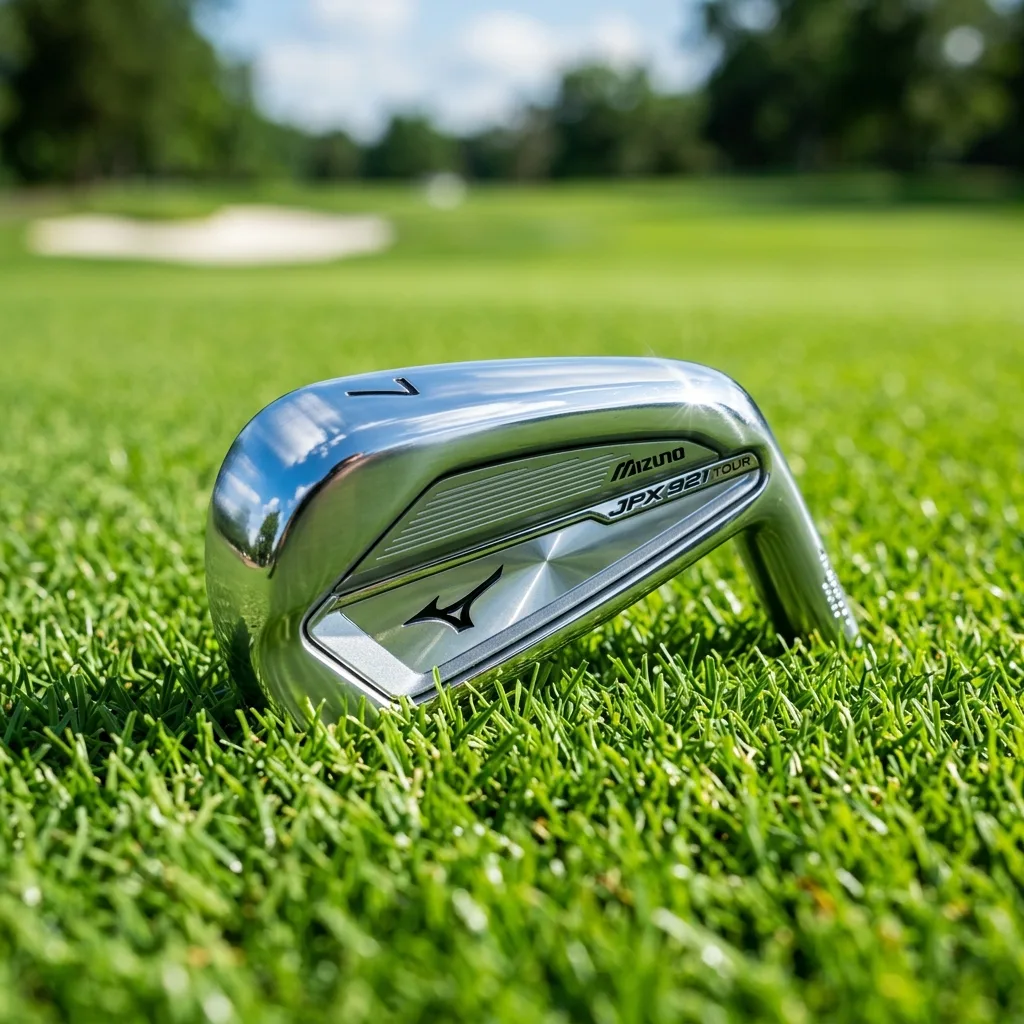
If you are looking for the best way to how to clean golf irons, the process involves using a bucket, warm water, mild detergent and a soft brush. Never submerge the entire stick and avoid hard wire brushes that will permanently damage the finish.
If you are looking for the best way to how to clean golf irons, the process involves using a bucket, warm water, mild detergent and a soft brush. Never submerge the entire stick and avoid hard wire brushes.
Many amateur and advanced players spend thousands of crowns on premium equipment. They spend dozens of hours practicing their swing on the driving range and pay for expensive trainers. However, they completely ignore the basic maintenance of their golf arsenal.
At the same time, dirty grooves and deposited rust dramatically reduce ball spin and shorten the life of expensive clubs. In reality, you lose control of the shot before you even hit the ball. Neglected equipment is a silent killer of your score.
If you recently purchased a new set of forged irons, you probably want to keep them looking new for as long as possible. Metals exposed to morning dew, mud and chemicals from playground fertilizers degrade very quickly.
Oxidation processes begin inconspicuously. At first you only notice a loss of shine, later brownish spots of corrosion appear. Most people then panic and reach for aggressive chemicals. However, this is a huge mistake.
But there’s one detail that ninety percent of golfers completely overlook when cleaning, which decides whether your irons will last for years in perfect condition — or if they’ll start to corrode from the inside by the end of the current season.
And we will reveal this seemingly inconspicuous, but absolutely critical detail in the next section.
Table of Contents
- What is the best way on how to clean golf irons?
- Essential Cleaning Supplies: Warm water, mild dish soap, and a soft-bristle brush
- Understanding the Club Parts: Grooves, hosel, and clubface
- Step-by-Step: The 5-Minute Cleaning Method for Forged Irons
- How to Remove Rust: The secret to how to clean golf irons properly
- Common Mistakes That Will Ruin Your Grip and Shaft
- How Clean Grooves Improve Spin Rate and Control
- Conclusion: Maintenance Summary and Frequently Asked Questions (FAQ)
- Frequently Asked Questions
What is the best way on how to clean golf irons?
The basic maintenance method requires a precise procedure and very gentle materials. Completely and uncompromisingly avoid wire brushes with steel bristles.
These rough tools will instantly scratch a sensitive surface, especially if you own the softer forged irons known as Forged irons. The scratched surface subsequently intensively attracts moisture, holds microscopic particles of clay and massively accelerates surface corrosion.
Your best and completely sufficient friend will be plain warm water (warm water) carefully mixed with a few drops of a high-quality but mild dish soap (mild dish soap).
This simple combination completely dissolves dried mud, stubborn grass residues and embedded sand from sand obstacles. The non-aggressive composition of ordinary detergent will not disturb the thin protective layer of the metal in any way and will not cause the paint to degrade.
Prepare a standard small bucket and fill it with the prepared soapy solution. Immerse only the lower part of the club in it, i.e. the iron head itself (Golf irons).
Water must absolutely never reach higher towards the handle. Use a soft-bristle brush to remove all dirt from the entire hitting surface (clubface) using careful circular movements.
If you encounter stubborn dirt that resists mechanical cleaning, let the club head soak in water for a while. Usually five minutes is fully sufficient to loosen even the most stubborn soil.
Thorough cleaning also requires immediate and flawless drying. Use an ideally clean towel made of fine microfiber. Microfiber can absorb moisture even from the smallest and most difficult to access folds in metal.
Regular and honest care has been proven to extend the life of your expensive equipment. Plus, clean, shiny and well-maintained clubs give you tremendous confidence with every shot.
When you subconsciously know that your equipment is working at one hundred percent, you can fully focus on the game itself and strategy. By the way, the same technical principle applies even if you choose a high-endgolf driversfor extremely long shots. In short, the goal is always maximum reliability and the perfect condition of every component.
Essential Cleaning Supplies: Warm water, mild dish soap, and a soft-bristle brush
Any reliable maintenance process starts with a thorough preparation of the right tools. There is absolutely no need to buy expensive chemicals, toxic solvents or overpriced specialty sprays from fancy golf stores.
The secret of professional cleaning lies in maximum simplicity and care for the material. Experienced professional caddies on the PGA Tour use the most basic things to maintain their wards’ clubs.
First, prepare an ordinary plastic bucket. The ideal size corresponds to a smaller volume in which you can comfortably dip two or three club heads at once without knocking each other off. Fill the container no more than one quarter full.
Use only lukewarm or slightly warm water. Hot water causes huge hidden problems. Extreme heat can loosen the specialized epoxy glue that firmly bonds the iron club head to the graphite or steel shaft.
Cold water, on the other hand, has a much harder time dissolving dried organic impurities.
Add mild dish soap to the water. A few small drops are plenty. A high-quality detergent is extremely effective at breaking down grease and aggressive chemicals from fertilizers, which are absolutely common on all well-maintained golf courses.
These modern fertilizers otherwise slowly but surely etch the metal surface of your sticks.
A key and indispensable tool is a soft-bristle brush. Never under any circumstances use a steel or brass wire brush.
In particular, owners of expensive forged irons must be extremely careful. Soft synthetic bristles safely and reliably penetrate narrow grooves without tearing off the surface protective layer. In an emergency, you can safely use an old discarded toothbrush.
Finally, prepare a highly absorbent, clean and dry towel. We strongly recommend a larger quality microfiber towel. Cotton also works well in principle, but modern microfiber absorbs water much faster and also does not leave tiny loose hairs on the metal.
Experienced golfers always have at least one large clean towel prepared purely for careful drying after general washing and a second more durable one for roughly wiping the clubs from mud during the actual game on the course.
Understanding the Club Parts: Grooves, hosel, and clubface
To fully understand why this detailed maintenance is so absolutely necessary, you need to know the anatomy of the golf club itself in detail. Each individual part requires a slightly different, specific approach to cleaning. Modern golf irons consist of several very different materials.
The hitting surface, known in golf terminology as the clubface, comes into direct and crushing contact with the flying ball. Its absolute purity largely determines the overall quality of your wound. The most important element on the hitting surface are the milled grooves.
These precise horizontal lines work on a very similar principle to the drainage pattern on car tires. They wick away moisture and grass blades in a microsecond moment of impact. They thus ensure the necessary mechanical friction between the hard metal and the polymer surface of the ball.
If these grooves become clogged with wet soil, the surface becomes dangerously smooth. You immediately lose precise control over the trajectory.
The neck of the club is the most critical point in terms of maintenance. It ensures a solid connection between the iron head itself and the long steel or sensitive graphite shaft. It is precisely in this key joint that the special epoxy adhesive is located.
Unfortunately, a huge number of recreational players make a fatal and fatal mistake. When cleaning at home, they unknowingly submerge the entire head of the stick, including this sensitive neck, in a bucket of water.
Over time, moisture inexorably penetrates deep into the joint, irreversibly weakens the strength of the glue, and there is a real risk of extremely dangerous loosening and flying off the head directly during a full swing on the tee.
Therefore, always wipe the hose exclusively with a slightly damp cloth and avoid getting it wet.
The long shaft itself, i.e. the entire club handle apart from the rubber grip, requires only a light wiping of deposited dust and sweat residues from a maintenance point of view. There is usually no extreme soiling here.
However, pay extra attention to the rubber grip itself at the end. Its soft porous surface readily absorbs aggressive sweat and grease from your palms. Over time, this causes the material to harden and begin to slide uncomfortably. In short, grip maintenance requires a completely different procedure than cleaning a hard metal head.
Step-by-Step: The 5-Minute Cleaning Method for Forged Irons
Now we will combine all the theoretical knowledge gained so far into one effective five-step practical process. This proven method will take you no more than five minutes in total to thoroughly treat the entire set. It is speed and especially regularity that guarantee the best possible long-term results.
Step one: Precise preparation of the bath.Pour lukewarm water into the prepared small bucket and add really only a little high-quality mild dish soap. Gently stir the solution with your hand to create a mild washing foam.
Step Two: Safe and controlled soaking.Carefully immerse only the steel heads of the clubs in the water. The level of the washing water must always remain strictly below the level of the sensitive neck (hosel).
Let the heads soak for about two to five minutes. With this procedure, you can effectively soften even the absolute hardest dried soil from sand obstacles.
Step Three: Active and systematic scrubbing.Remove the first soaked stick from the water. Take your soft-bristle brush and start circling the steel hitting surface. Focus in detail especially on the milled grooves (Grooves).
The bristles must penetrate deep enough inside. Proceed systematically nicely from the bottom edge gradually upwards. Gently and carefully also clean the back of the head and the lower sliding edge, which comes into contact with the ground most often.
Step Four: A quick and thorough rinse.Carefully wash off any remaining soap suds with clean running water. Again, rinse strictly only the steel head itself.
Step Five: Instant Drying for Prevention.This is an absolutely critical and turning point for successful long-term rust prevention. Immediately after rinsing with water, dry each individual stick completely dry with the prepared clean towel.
This extremely gentle method is also perfectly suited for much more delicate luxury forged irons (Forged irons). The steel alloy of these expensive clubs contains technologically more carbon, which gives players a much better and softer feeling when hitting the ball itself, but at the same time it significantly increases the susceptibility of the material to corrosion.
Regularity of this simple five-step washing ritual will 100% guarantee that your golf equipment will look like it came out of the box even after several very demanding playing seasons.
How to Remove Rust: The secret to how to clean golf irons properly
Despite the utmost caution, it sometimes happens that rust attacks relentlessly. This is especially typical in a situation where you unknowingly forget wet and muddy sticks locked in a dark and unventilated car trunk.
Removal of unsightly surface corrosion (Rust) then necessarily requires a special gentle procedure that will safely preserve the original factory finish. Do not despair, minor surface rust does not automatically mean the immediate end of the life of your favorite gaming set.
For a successful and quick fight against emerging corrosion, you need ordinary kitchen white vinegar. The acetic acid contained in it naturally chemically reacts with the deposited iron oxide and incredibly gently dissolves it without damaging the surrounding metal.
Apply undiluted vinegar to the affected rusty area using a small cotton swab or a clean piece of soft cloth. Let the liquid sit for ten minutes. Then use an old discarded toothbrush and remove the damaged rust from the surface with gentle circular movements.
In the case of much more resistant and deeper corrosion, creating a thick cleaning paste from ordinary baking soda and a very small amount of clean water will reliably help. Apply this mixed paste locally on the rusted areas and let it take active effect for a few minutes.
Baking soda works as an extremely fine, almost microscopic abrasive. It can easily remove unsightly rust stains without the risk of scratching the surrounding shiny metal. After careful cleaning, don’t forget to rinse the stick really thoroughly and dry it 100% with a towel.
This more challenging step is a de facto advanced master class in how to clean golf irons. However, effective rust prevention remains the absolute best defense strategy under all circumstances.
Therefore, never leave wet clubs closed in a damp golf bag. Likewise, do not use the well-known WD-40 or other aggressive chemical industrial oils for cleaning. These slippery substances can have a disastrous negative effect on the necessary spin of the ball.
It also permanently destroys the special matt anti-reflective surface on the top side, which prevents unpleasant glare from the sun directly into the eyes when laying behind the ball. Your careful and considered approach is guaranteed to restore the faded shine of the metal and reliably protect your multi-thousand dollar investment in quality equipment.
Common Mistakes That Will Ruin Your Grip and Shaft
Unfortunately, many otherwise careful players completely destroy their expensive gear with an unintentional but fatal mistake during the cleaning process. The absolute most frequent and most harmful offense is the use of very aggressive chemical cleaning agents directly on the rubber grips.
Harsh synthetic chemistry relentlessly dries out the specific rubber compound. Because of this, the grip hardens very quickly, starts to crack and completely loses its irreplaceable stickiness.
Once this happens, your hand is guaranteed to slip under during a dynamic swing, leading to an inaccurate shot and, worse, a wrist injury.
For 100% correct and safe cleaning of the rubber grip (grip), use only a clean damp cloth with an absolute, almost microscopic minimum of soap. Very gently and sensitively wipe its surface from accumulated sweat, sunscreen residues and dust.
Afterwards, wipe the cleaned grip carefully with another clean damp cloth soaked in clean water and immediately dry it with a dry towel. Never, under any circumstances, soak the grips completely in a bucket of soapy water.
A long shaft, especially a thin-walled steel one, also logically requires specific and gentle care. As soon as you visually detect small surface scratches on it, never, at any cost, polish them with a rough kitchen sponge or abrasive paste.
Better always use only a very fine microfiber cloth. In addition, with modern light graphite shafts, be very careful about mechanical abrasion of the paint when frequently removing the bag from the plastic chambers.
Regular wiping of settled dust with a dry cloth reliably prevents the unpleasant intrusion of small sharp stones into the inner tube space of the bag.
Another extremely fatal mistake is trying to hastily dry wet sticks in direct, harsh midday sun or even hot air from a hair dryer. The extreme heat irreversibly damages the key structural epoxy in the club’s neck (hosel) and also dissolves the double-sided adhesive tape hidden deep under the grip.
Always prefer to dry all equipment naturally, in the shade and only at normal room temperature.
You should proceed with the same utmost caution, even if you buy a brand new top-of-the-linedriver for distanceand understandably want to ensure that its expensive graphite shaft lasts absolutely without any damage to the top coat. Correct and comprehensive care of the entire stick is the absolute basis of long-term success.
How Clean Grooves Improve Spin Rate and Control
As you read these lines, you may be wondering why spend so much precious time and effort on perfectly cleaning every single tiny metal nick on the face. The exact answer lies firmly rooted in the relentless physics of the golf swing and the aerodynamics of flight.
The extreme cleanliness of the striking surface absolutely directly and critically affects the behavior of the flying ball immediately after its impact on the green lawn.
In a fraction of a second, when the steel hitting surface (clubface) collides with the flying ball with enormous dynamic energy, clean milled grooves (grooves) literally “bite” into its soft polyurethane shell.
This creates enormous mechanical friction that gives the ball massive backspin, in terminology known as spin rate. This extremely fast rotation perfectly stabilizes the flight through the air and prevents wind drift. Then, once the spinning ball hits the target green, the high spin rate causes it to stop almost immediately at impact.
Clogged and dirty grooves quite naturally lose this key physical ability. Microscopic soil, sand particles and the remains of mixed grass will completely fill the free space in the metal.
The hard metal surface suddenly behaves like a completely smooth glass plate. Friction drops sharply close to zero. A hit ball flies unpredictably after impact, sails without spin and loses accuracy.
It lands on a hard green and instead of the desired stop, it continues uncontrollably tens of meters further directly into a deep sand bank or water hazard.
Experienced professionals painstakingly clean the grooves before every single shot because they fully understand this fatal and critical difference in performance.
Keeping the grooves perfectly clean maximizes your overall ability to control the resulting distance of the shot. Better control logically means more accurate shots placed as close to the hole as possible.
Using 100% pure clubs in combination with quality premium balls is by far the fastest, cheapest and most effective way to drastically reduce your playing handicap.
You don’t have to change your swing technique in a complicated and expensive way, it’s enough to have your tools in perfect technical condition. Honest, regular care is guaranteed to reward you richly with consistent sports results and a highly stable, visually beautiful trajectory (ball flight).
Correct spin is simply an invisible but powerful force that keeps your ball safely on the right path to success.
Conclusion: Maintenance Summary and Frequently Asked Questions (FAQ)
Golf equipment undoubtedly requires your deep respect and proper care. Your quality forged irons can reliably take you through hundreds of challenging courses around the world if you give them just five minutes of attention immediately after each game.
Lukewarm water, plain soap, a soft brush and a dry absorbent towel are all you really need to be happy. Definitely forget about dangerous and aggressive chemistry.
Regular and thorough removal of dirt from the grooves will ensure optimal spin and unprecedented accuracy in your game. Conscious, systematic corrosion prevention will safely protect a high financial investment in your sports arsenal.
Don’t let ordinary dried mud ruin your hard and carefully practiced swing. Below in the section, you will find detailed answers to the most common essential questions that golfers constantly solve regarding the regular maintenance of their clubs.
This valuable information will help you avoid unnecessary, expensive mistakes and keep your equipment in absolutely perfect shape for many years.
Frequently Asked Questions
Can I use wire brushes to clean my golf irons?
It is highly recommended to avoid wire brushes, especially for forged irons, as they can scratch the clubface and ruin the finish. Instead, use a soft-bristle brush with mild dish soap and warm water to safely clean the grooves without causing permanent damage to your equipment.
Does cleaning the grooves improve spin rate?
Yes, keeping your grooves completely free of dirt and grass is essential for maximizing your spin rate and control. Clean grooves allow the clubface to grip the golf ball properly at impact, resulting in better ball flight and more consistent performance on the golf course.
How do you safely clean the grip and shaft?
To clean the grip and shaft, use a damp towel with a very small amount of mild dish soap. Wipe down the shaft gently to remove dirt and sweat, then thoroughly dry it with a clean towel. Avoid soaking the grip or shaft in the bucket of warm water.
What is the best rust prevention method for golf irons?
The most effective rust prevention method is to thoroughly dry your golf irons with a microfiber towel immediately after cleaning or playing in wet conditions. Never store wet clubs in your bag, as trapped moisture inside the headcover or bag can quickly lead to unwanted rust.
Can you soak golf irons in a bucket of warm water?
You can soak the clubhead of your golf irons in a bucket of warm water for 5 to 10 minutes to loosen hardened dirt. However, ensure the water level stays below the hosel to prevent water from seeping into the shaft and damaging the epoxy.
Get our latest guides, news, and insights highlighted in your Google Search & AI Overviews.