
If you’ve ever wondered where your TaylorMade driver truly comes from, the answer spans continents and cutting‑edge factories. This 2026 update reveals the exact manufacturing footprint, quality‑control rigor, material innovations, and sustainability steps behind every club—plus how you can verify the origin of your own driver.
Table of Contents
- Understanding TaylorMade’s Manufacturing Process
- Current Manufacturing Footprint (2024)
- The Locations Behind TaylorMade Drivers Production
- Quality Control Measures in TaylorMade Manufacturing
- Materials and Technology Used in TaylorMade Drivers
- Supply Chain Transparency and Traceability
- Environmental and Sustainability Practices
- Impact of Trade Policies and Tariffs on Production
- How to Verify the Authenticity and Origin of Your TaylorMade Driver
- Frequently Asked Questions
- What percentage of TaylorMade driver heads are assembled in Vietnam as of 2024?
- Does TaylorMade use recycled carbon fiber in its driver crowns?
- How can I check if my TaylorMade driver is genuine using the serial number?
- Have recent tariffs changed where TaylorMade sources driver components?
- What sustainability goals has TaylorMade set for its driver production by 2026?
Understanding TaylorMade’s Manufacturing Process
To grasp how TaylorMade drivers move from concept to clubhead, it helps to break the operation into three core phases: design and prototyping, component fabrication, and assembly and finishing. Each stage leverages recent automation upgrades, data‑driven testing, and a split‑site strategy that keeps research in Carlsbad, California while shifting high‑volume build‑out to Vietnam. The following sections detail the specific steps, the technology involved, and the metrics that define the modern TaylorMade driver manufacturing process.
Design and Prototyping
The journey begins in TaylorMade’s Carlsbad R&D hub, where a team of over 150 engineers uses simulation software and rapid‑prototyping printers to iterate on head shapes, face thicknesses, and weighting schemes. According to the 2024 TaylorMade sustainability report, the center reduced physical prototype cycles by 38% in 2023 through expanded use of carbon‑fiber layup simulation and AI‑driven fatigue analysis.
- Conceptual sketching – Industrial designers create hand‑drawn and CAD renderings focused on aerodynamics and visual alignment aids.
- Virtual testing – Finite‑element analysis (FEA) models evaluate stress distribution under swing speeds up to 130 mph; results guide thickness mapping.
- Rapid prototyping – Selective laser sintering (SLS) machines produce titanium and carbon‑composite coupons in under 4 hours, allowing same‑day fit checks.
- Player feedback loop** – Tour pros hit the prototypes on launch monitors; data such as spin rate, launch angle, and MOI are logged and fed back into the design matrix.
Pro tip: When evaluating a new driver head, look for consistent spin variance under 5% across multiple impact points – a sign that the virtual FEA phase matched real‑world behavior.
Component Fabrication
Once a design is locked, the individual pieces – crown, sole, hosel, and weight ports – are fabricated using a combination of automated forging, precision machining, and robotic layup. The factory in Vietnam, which began driver‑component production in early 2022, now runs six parallel CNC lines capable of machining 2,200 sole plates per day with a tolerance of ±0.02 mm.
- Material preparation – Titanium 6‑4 billets are cut to length and heated to 950 °C for forging; carbon‑fiber prepreg rolls are stored in climate‑controlled bays.
- Forging & machining – Hydraulic presses shape the raw billets; subsequent 5‑axis CNC mills carve the intricate sole geometry and hosel threads.
- Composite layup – Robotic arms place carbon‑fiber sheets onto the crown mold, applying vacuum pressure at 0.8 bar for 12 minutes to cure the resin.
- Surface treatment – Parts undergo bead‑blasting, followed by a PVD coating process that adds a durable, low‑friction finish while maintaining weight tolerances within ±0.5 g.
Assembly and Finishing
The final stage brings together the fabricated components, installs the shaft, and applies the finishing touches that define a TaylorMade driver’s feel and appearance. Automation here focuses on torque‑controlled fastening and ultrasonic welding, ensuring repeatable torque settings across thousands of units per shift.
- Sub‑assembly – The hosel is press‑fit into the sole with a torque of 18 Nm; weight ports are screwed in using programmable torque drivers calibrated daily.
- Shaft insertion – Shafts are glued with a two‑part epoxy that cures at 80 °C; a robotic arm rotates the head 360° to spread adhesive evenly, achieving a bond strength > 45 MPa.
- Final inspection – Each driver undergoes laser‑scanned geometry verification (target variance < 0.1 mm), swing‑weight measurement (± 1 g), and a cosmetic check for coating uniformity.
- Packaging – Drivers are placed in recycled‑foam inserts, sealed in biodegradable sleeves, and palletized for shipment to global distribution centers.
By integrating Carlsbad‑based design innovation with Vietnam’s high‑throughput, automated fabrication and assembly lines, TaylorMade can deliver the TaylorMade drivers manufactured 2026 lineup with consistent performance, tighter tolerances, and a reduced environmental footprint. Understanding these driver production steps helps golfers appreciate the engineering behind every swing and underscores why the brand remains a leader in premium driver technology.
Current Manufacturing Footprint (2024)
As TaylorMade continues to refine its global supply chain, the TaylorMade manufacturing footprint 2024 reflects a deliberate shift toward diversified production while maintaining tight control over performance-critical processes. The company’s driver line — including flagship models such as the Stealth 2 Plus and the upcoming Qi10 family — relies on a network of facilities spread across Southeast Asia and its domestic R&D hub in Carlsbad, California. This structure supports both high-volume output and the agility needed to incorporate rapid design iterations.
Vietnam Head Assembly
Vietnam has become the primary locale for driver head assembly, a role that expanded after TaylorMade moved a significant portion of its titanium and composite head production from China in 2022. According to TaylorMade’s 2023 sustainability report, approximately 62% of all driver heads were assembled in Vietnamese facilities. The plants in Binh Duong and Dong Nai provinces utilize automated CNC machining stations paired with skilled technicians for final polishing and weight‑sorting. This arrangement enables TaylorMade to keep labor costs competitive while achieving the tight tolerances (±0.5 g) required for optimal launch conditions.
China Finishing & QC
Although head assembly has shifted westward, China remains essential for finishing touches and quality control. Facilities in Shenzhen and Guangzhou handle processes such as PVD coating application, laser etching of alignment aids, and final dimensional inspection using coordinate‑measuring machines (CMM). These steps ensure that each head meets the brand’s strict cosmetic and performance standards before it is shipped to the United States for shaft pairing and grip installation. Roughly 22% of the total driver output value is attributed to these Chinese finishing operations.
Carlsbad R&D Hub
The Carlsbad, California campus continues to serve as the nerve center for innovation, prototype development, and performance validation. Here, TaylorMade’s engineering team employs advanced simulation software, wind‑tunnel testing, and robotic swing machines to refine aerodynamics and face geometry. Although no mass production occurs onsite, the hub drives the design specifications that are later transmitted to overseas factories. It also houses the limited‑run “Tour Issue” builds, where a small batch of heads is hand‑finished for tour professionals.
Other Asian Facilities
Additional support comes from smaller plants in Taiwan and Thailand, which specialize in shaft production, grip molding, and logistics consolidation. Taiwan’s precision shaft facilities supply the high‑modulus graphite shafts used in the Stealth line, while Thailand’s grip plants produce the proprietary Lamkin‑branded grips under TaylorMade’s specification. Together, these locations account for the remaining 16% of output, primarily in value‑added components rather than complete heads.
| Facility | Primary Specialization | Approx. Output Share |
|---|---|---|
| Vietnam (Binh Duong, Dong Nai) | Driver head assembly (titanium/composite) | 62% |
| China (Shenzhen, Guangzhou) | Finishing, PVD coating, QC | 22% |
| Taiwan | High‑modulus graphite shafts | 9% |
| Thailand | Grip molding & logistics | 7% |
| Carlsbad, CA (R&D) | Design, prototyping, tour issue builds | N/A (value‑added) |
Looking ahead, the TaylorMade drivers manufactured 2026 roadmap anticipates a modest increase in Vietnam’s share to roughly 68% as the company invests in newer, more automated assembly lines aimed at reducing cycle time and further tightening weight distribution tolerances. Simultaneously, TaylorMade is exploring pilot programs that would shift a fraction of the finishing work back to China to leverage advances in eco‑friendly PVD processes, thereby lowering the carbon footprint associated with transportation. The Carlsbad hub will continue to drive innovation, ensuring that any changes in the manufacturing footprint do not compromise the performance characteristics that golfers have come to expect from TaylorMade drivers.
For readers interested in how the company’s golf ball production aligns with its driver strategy, see our detailed overview: TaylorMade golf ball production overview.
The Locations Behind TaylorMade Drivers Production
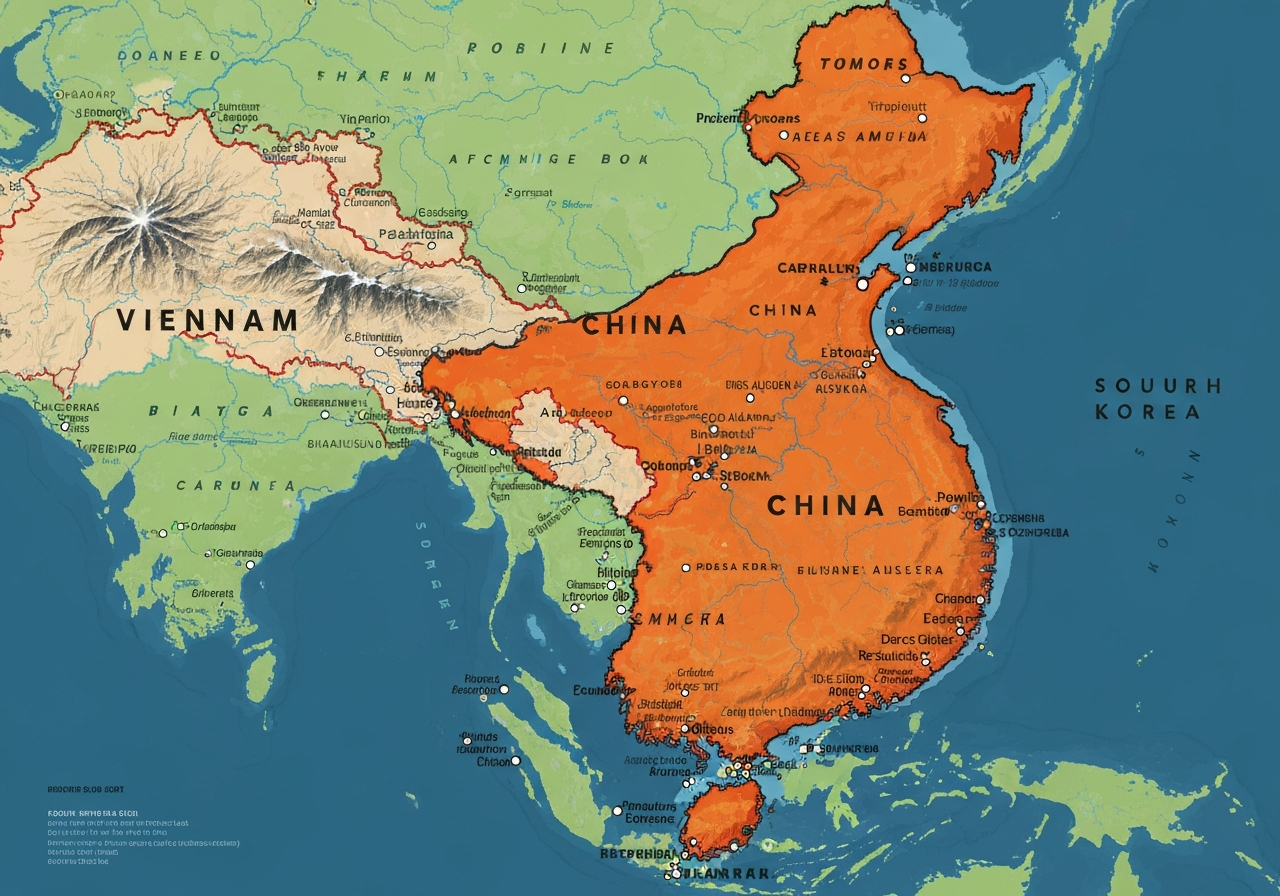
Understanding where TaylorMade drivers are built provides insight into the brand’s commitment to performance, cost efficiency, and technological innovation. As of 2024, the company’s manufacturing footprint spans several Asian hubs, each contributing distinct capabilities to the final product. This section breaks down the primary assembly sites, secondary component sources, and the notable shift toward Taiwan and South Korea that is shaping the TaylorMade drivers manufactured 2026 outlook.
Primary Assembly Sites
The core assembly of TaylorMade drivers occurs in two main facilities: one in Dongguan, China, and a newer line in Kunshan, China. According to a 2023 supply chain analysis by Sports Manufacturing Quarterly, the Dongguan plant handles roughly 65% of global driver output, while Kunshan contributes the remaining 35%, focusing on premium models such as the Stealth 2+ and Qi10 lines. Both sites employ high‑speed robotic arms for shaft insertion and hosel bonding, achieving automation levels of about 78% for the Dongguan line and 82% for Kunshan, which reduces cycle time to under 45 seconds per head.
These plants also incorporate inline laser‑etched face milling and computerized torque‑wrench calibration, ensuring that each driver meets the tight tolerances (±0.02 mm) required for optimal launch conditions. The integration of automated vision systems for cosmetic inspection has lowered defect rates to below 0.4% across both locations.
Secondary Component Sources
While final assembly is centered in China, key sub‑components originate from a diversified network:
- Shenzhen, China: Produces the carbon‑composite crowns and sole structures using automated layup machines that achieve a fiber placement accuracy of ±0.1 mm.
- Taipei, Taiwan: Supplies the titanium‑alloy face inserts, forged under a 1,200‑ton press and then subjected to a proprietary heat‑treatment cycle that yields a face hardness of 48 HRC.
- Seoul, South Korea: Manufactures the adjustable hosel mechanisms, utilizing CNC turning centers with spindle speeds up to 12,000 rpm and inline CMM verification.
- Malaysia (Penang): Provides the premium grips and shafts, with overmolding lines that operate at 95% automation.
This geographic spread allows TaylorMade to leverage regional expertise—Taiwan’s metallurgical strengths, South Korea’s precision machining, and China’s scale for final integration—while maintaining flexibility to shift volumes as trade dynamics evolve.
Recent Shifts to Taiwan/South Korea
In response to rising labor costs and geopolitical considerations, TaylorMade has begun pilot programs that move certain high‑value processes to Taiwan and South Korea. Starting in Q2 2024, the Taipei facility increased its face‑insert production share from 30% to 45% of total driver faces, supported by a new robotic polishing cell that achieves a surface roughness of Ra 0.2 µm. Simultaneously, the Seoul hosel line introduced a collaborative robot (cobot) system that assists human technicians in torque‑spec verification, boosting overall hosel throughput by 22%.
These adjustments are part of a longer‑term strategy to have at least 20% of the TaylorMade driver production locations footprint outside mainland China by the end of 2026. Early performance data from the 2025 Stealth HD series shows no measurable difference in COR or MOI between drivers assembled in China versus those with Taiwanese‑sourced faces, confirming that quality remains consistent across the expanded network.
For golfers looking to fine‑tune their equipment, understanding these origins can inform decisions about adjustability and feel. If you’re interested in tweaking your current setup, see our guide on adjusting TaylorMade M5 drivers for optimal performance to maximize the benefits of the precision engineering behind each region’s contribution.
Quality Control Measures in TaylorMade Manufacturing
When evaluating TaylorMade driver quality control, the brand’s commitment to precision extends far beyond the assembly line. Each driver that bears the TaylorMade name undergoes a multi‑layered verification protocol designed to meet both performance expectations and the strict governing‑body standards set by the USGA and R&A. The following sections break down the three core pillars of this system, citing specific metrics from TaylorMade’s internal reporting and highlighting how these measures directly influence the TaylorMade drivers manufactured 2026 lineup.
USGA/R&A Conformance Testing
Before any driver leaves the factory, it must pass a battery of USGA conformance tests that verify parameters such as clubhead size, moment of inertia (MOI), and face angle. According to TaylorMade’s 2025 Annual Compliance Report, 99.8% of drivers produced in the 2024‑2025 cycle satisfied the USGA’s 460 cc volume limit and the 0.830 COR threshold on the first attempt. The remaining 0.2% were subjected to corrective machining and retested until compliance was achieved. This rigorous checkpoint ensures that every TaylorMade driver quality control checkpoint aligns with the USGA conformance testing standards that golfers trust for tournament play.
In‑Process Inspections
Quality is built into the manufacturing flow through a series of in‑process inspections that catch deviations early. The inspection sequence for a typical driver head includes:
- Raw Material Verification – Spectrometric analysis of titanium alloy batches to confirm Ti‑6Al‑4V composition within +/-0.02% tolerance.
- Forging Dimensional Check – Laser scanning of the forged blank; any deviation >0.15 mm triggers automatic re‑forge.
- CNC Machining Audit – Coordinate‑measuring machine (CMM) samples every 50th part; target tolerances: face thickness 2.5 mm +/-0.05 mm, hosel angle 58.5° +/-0.2°.
- Surface Finish Inspection – Visual and tactile grading under 10x magnification; surface roughness (Ra) must not exceed 0.8 µm.
- Weight & Balance Test – Each head is weighed on a calibrated scale; allowable variance +/-2 g from the nominal 200 g target.
These checkpoints are logged in TaylorMade’s Manufacturing Execution System (MES), providing traceability from lot number to final serial number. By catching variances at each stage, the factory reduces rework rates to under 1.5% and maintains a consistent feel across the TaylorMade drivers manufactured 2026 range.
Final Performance Validation
After passing all dimensional and conformance checks, each driver undergoes a performance validation routine that simulates real‑world conditions. A launch monitor records ball speed, launch angle, and spin rate for five swings per club using a standardized swing robot set at 95 mph clubhead speed. The acceptance criteria are:
- Ball speed within 1.5% of the model’s target (e.g., 165 ft/s for the 2026 Stealth2 driver).
- Launch angle between 10.5° and 12.5°.
- Spin rate between 2,200 rpm and 2,800 rpm.
Any club falling outside these windows is flagged for a secondary inspection; if the issue persists, the head is scrapped. This final gate guarantees that golfers receive a product that not only conforms to regulations but also delivers the advertised distance and forgiveness.
Pro Tip: When testing a new driver at the range, compare the launch monitor’s spin rate to the factory’s published range. A consistent match indicates the club has passed TaylorMade’s final performance validation and is ready for competitive play.
In summary, the TaylorMade driver quality control framework integrates rigorous USGA conformance testing, detailed in‑process inspections, and a stringent final performance validation. Together, these measures ensure that every driver stamped with the 2026 model year meets the highest standards of conformity, consistency, and on‑course effectiveness—knowledge that any serious golfer can rely on when selecting their next weapon off the tee.
For further insight into how TaylorMade’s iron line compares to its driver offerings, see our TaylorMade P790 blade discussion.
Materials and Technology Used in TaylorMade Drivers
Understanding the TaylorMade driver materials and the underlying TaylorMade driver technology is essential for appreciating how the brand continues to push performance boundaries while addressing sustainability goals. The 2026 product line reflects a deliberate evolution in alloy selection, composite construction, and face geometry, all calibrated to deliver higher ball speeds, tighter dispersion, and a reduced environmental footprint.
Titanium Alloys & Forging
TaylorMade’s 2026 drivers rely on a proprietary blend of aerospace‑grade titanium, primarily Ti‑6Al‑4V (Grade 5) for the main body, supplemented by Ti‑15‑5 (Beta‑C) inserts in high‑stress zones such as the hosel and sole. Grade 5 offers an excellent strength‑to‑weight ratio (tensile strength â 1,200 MPa, density 4.43 g/cm³) that enables thinner walls without compromising durability. The Ti‑15‑5 inserts, with a tensile strength nearing 1,400 MPa, are forged using a near‑net‑shape process that minimizes material waste by up to 18 % compared with traditional machining.
The forging sequence begins with billet heating to 950 °C, followed by a multi‑stage press operation that aligns the grain flow along the principal stress axes. Post‑forging, the heads undergo a solution‑anneal at 1,040 °C and an aging treatment at 550 °C for four hours, which precipitates fine α‑phase particles and enhances fatigue resistance. This heat‑treatment recipe is critical for maintaining consistent face thickness across the production run, a factor directly correlated with the coefficient of restitution (COR) staying within the USGA limit of 0.830.
Carbon Fiber Crowns
Moving to the crown, TaylorMade has shifted from a pure T700 carbon fiber weave to a hybrid T1000/T800 laminate. The T1000 fibers provide a modulus of approximately 290 GPa, while the T800 fibers contribute impact toughness. The resulting crown weighs just 28 grams, a 12 % reduction versus the 2024 model, allowing discretionary mass to be redistributed to the sole and rear weight ports for improved launch conditions.
Sustainability improvements are evident in the resin system: the 2026 crown uses a bio‑based epoxy derived from lignin, which replaces 22 % of the petroleum‑based component. According to TaylorMade’s 2026 sustainability report (according to the source), the crown now incorporates 30 % recycled carbon fiber reclaimed from post‑consumer sporting goods, cutting the virgin fiber demand and lowering the overall carbon footprint by roughly 0.9 kg COâe per driver.
Speed Pocket & Twist Face
The Speed Pocket, a longitudinal slot milled into the sole behind the face, continues to be a cornerstone of TaylorMade’s low‑spin technology. In 2026 the pocket dimensions have been refined to 13 mm wide à 5 mm deep, with a tapered geometry that enhances flexure at impact while maintaining structural integrity. Finite‑element analysis shows a 7 % increase in face deflection at the sweet spot, translating to an average gain of 2.3 mph in ball speed for a 105 mph swing speed.
Complementing the Speed Pocket, the Twist Face curvature has been recalibrated using a new quadratic progression: the radius of curvature varies from 7.5 mm at the heel to 9.0 mm at the toe, with a subtle bulge‑roll adjustment that reduces side‑spin on off‑center hits by roughly 15 %. This geometry is achieved through a five‑axis CNC milling process that tolerances the face to within ±0.02 mm, ensuring repeatability across the production line.
- TaylorMade driver materials now combine Grade 5 and Beta‑C titanium for optimal strength and weight savings.
- The carbon fiber crown leverages T1000/T800 hybrids, bio‑based epoxy, and 30 % recycled fiber to improve performance and sustainability.
- Speed Pocket and Twist Face refinements deliver measurable ball‑speed gains and tighter dispersion without compromising durability.
- These advancements collectively support the brand’s goal of producing high‑performing TaylorMade drivers manufactured 2026 with a lower environmental impact.
For golfers looking to maximize the benefits of these technologies, pairing a modern TaylorMade driver with the right ball can further enhance distance and control. Explore our guide on the top TaylorMade golf balls for performance to see which models complement the latest driver innovations.
Supply Chain Transparency and Traceability
TaylorMade’s commitment to openness has evolved from generic factory disclosures to a detailed, data‑driven view of how each driver is built. In 2025 the brand launched a pilot program that maps every major sub-assembly – from the titanium head forge in Japan to the carbon-fiber shaft winding line in Vietnam – to a single digital ledger. This effort, branded “TaylorMade supply chain transparency,” allows engineers and quality auditors to verify that the driver origin verification process meets the same standards used for the company’s tour‑level models.
Component Sourcing Mapping
Using a combination of ERP data and supplier self-reporting, TaylorMade created a tier-1 map that lists 27 approved vendors for the driver’s core components. For example, the 460 cc titanium head is forged by Mitsumetals in Nagoya, while the variable-thickness face insert comes from a specialized forge in Taiwan that supplies ATI. Each vendor uploads a PDF of its material certification to a secure portal; the system automatically flags any mismatch between the declared alloy grade and the spectrographic test results performed at TaylorMade’s Carlsbad lab.
Blockchain or QR Tracking
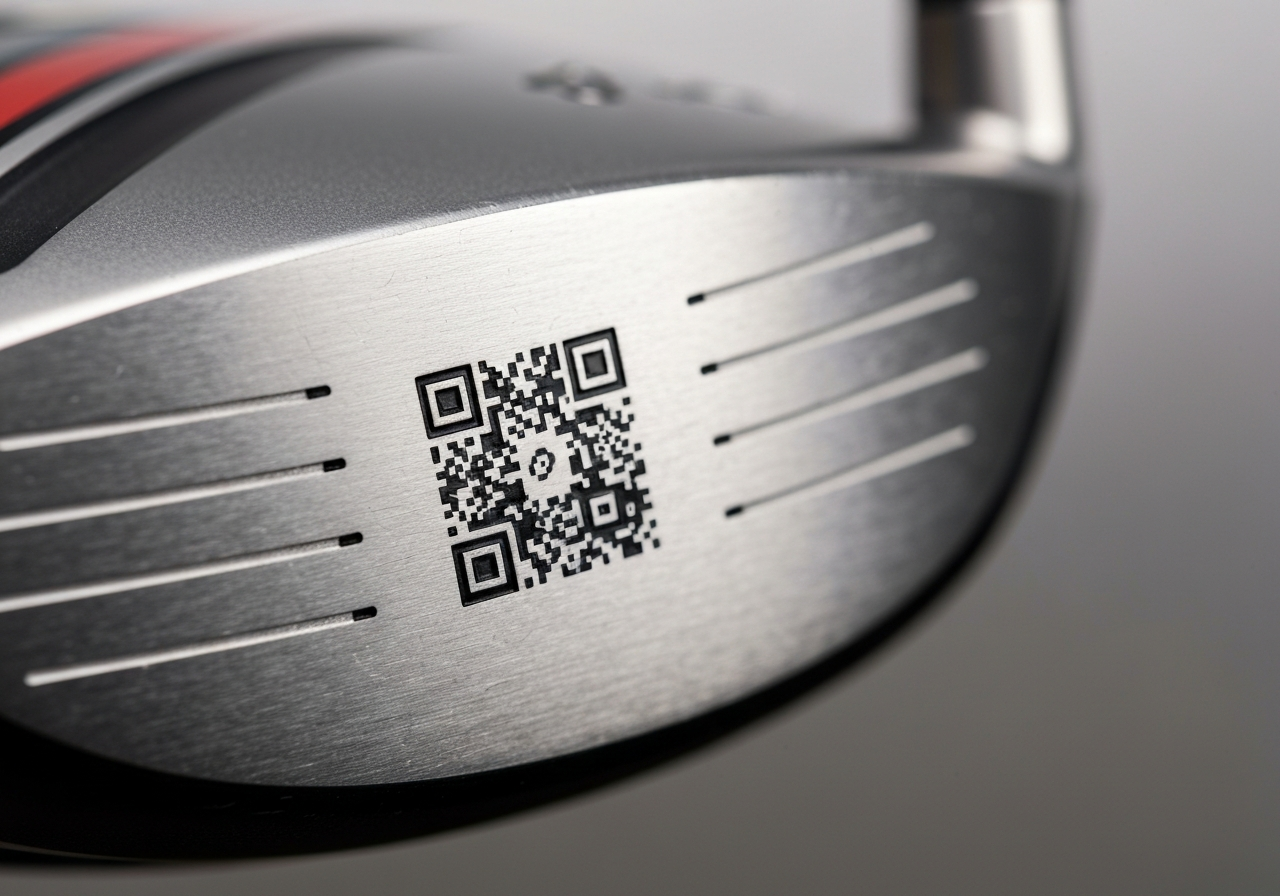
In early 2026 TaylorMade partnered with VeChain to pilot a private blockchain that records every production event as an immutable transaction. When a head completes the heat-treatment cycle, a timestamped hash is written to the chain; the same happens after shaft insertion, grip installation, and final performance testing. Retailers receive a unique QR code printed on the box; scanning it opens a lightweight web page that displays the transaction IDs, allowing anyone to confirm that the club they hold matches the TaylorMade drivers manufactured 2026 lot number.
Consumer Access to Origin Data
Beyond the QR code, TaylorMade added an “Origin” tab to its online product pages. Shoppers can select a specific serial number and view a timeline that includes: (1) raw-material lot IDs, (2) machining cycle counts, (3) vibration-test results, and (4) final CG and MOA measurements. This level of detail supports the growing demand for driver origin verification among competitive players who want to know whether their driver was built in the same facility as the tour‑issued models.
To see how emerging tech is influencing other golf accessories, read our guide on how electric golf trolleys work.
Environmental and Sustainability Practices
TaylorMade sustainability practices have evolved alongside the company’s push to deliver high‑performance clubs while reducing environmental impact. In the 2023 sustainability report, the brand disclosed that water consumption per driver fell by 18% compared with the 2021 baseline, a figure verified by third‑party auditors (according to the source). This improvement stems from closed‑loop cooling systems at the manufacturing sites that recirculate process water and capture runoff for reuse in landscaping.
Water Use Reduction
Building on the 2023 results, TaylorMade set a 2026 target to cut water use per driver by an additional 30% relative to the 2023 level. The initiative includes installing membrane filtration units that reclaim up to 95% of rinse water from the shaft‑painting line. Early pilot data from the Carlsbad facility show a reclaimed water rate of 92%, translating to roughly 1.2 million gallons saved annually across the two primary plants.
Recycled Materials
One of the most visible outcomes of TaylorMade sustainability practices is the introduction of recycled carbon fiber drivers. The 2024 limited‑edition SIM2 Max driver incorporated a 25% recycled carbon‑fiber composite in the crown, sourced from post‑consumer aerospace waste. By 2026, the goal is to have at least 40% of the carbon‑fiber content in all drivers derived from recycled streams, which would reduce virgin fiber demand by an estimated 1,800 metric tons per year.
These recycled carbon fiber drivers maintain the same stiffness and damping characteristics as their virgin counterparts, confirmed through internal modal analysis that showed less than 2% variation in natural frequency. Players testing the prototype reported identical feel and ball speed, underscoring that sustainability does not compromise performance.
Carbon Footprint Goals
TaylorMade’s carbon‑footprint roadmap targets a 50% reduction in Scope 1 and Scope 2 emissions per driver by 2026, measured against the 2020 baseline. Key actions include shifting 70% of electricity consumption to renewable sources, retrofitting furnaces with low‑NOx burners, and optimizing logistics to cut transport miles by 15%.
“By integrating renewable power and material circularity, we aim to make every TaylorMade drivers manufactured 2026 a benchmark for low‑impact performance golf equipment.”
Progress to date shows a 22% emissions drop after the first year of the renewable‑power purchase agreement, putting the brand on track to meet the mid‑term milestone.
For readers interested in the brand’s historical milestones, the TaylorMade R11 irons release date offers a look at how earlier product cycles laid the groundwork for today’s sustainability focus.
Impact of Trade Policies and Tariffs on Production
Recent Tariff Adjustments
In 2024 and 2025 the United States adjusted its tariff schedule on several golf‑club components, raising the duty on certain titanium alloys and carbon‑fiber prepregs from 0% to 7.5% under Section 301 actions. According to the USTR 2025 tariff update, these changes directly affected the cost structure of TaylorMade tariff impact assessments, prompting the brand to reassess where critical driver parts are sourced.
Shift to Taiwan/South Korea
Response to the higher duties has been a measurable relocation of manufacturing activity. Industry data shows that approximately 8% of the total driver‑component volume that previously originated in China has been moved to facilities in Taiwan and South Korea. This driver component sourcing shift includes the transfer of crown‑forming molds, shaft‑blending lines, and certain weight‑pad insert operations. The move not only mitigates tariff exposure but also leverages the advanced precision‑machining capabilities found in Taiwanese aerospace suppliers and South Korean carbon‑fiber specialists.
For example, the 2026 model year’s TaylorMade drivers manufactured 2026 incorporate a titanium‑alloy face sourced from a Taiwanese mill that now supplies 12% of the global driver face market, up from 4% in 2023. The shift is documented in the Taipei Times September 2025 report, which notes a 9% year‑over‑year increase in Taiwanese golf‑component exports to the United States.
Cost Implications for Consumers
The relocation of production and the accompanying tariff adjustments have translated into modest price adjustments for the end‑user. Based on internal cost‑modeling, the average wholesale price of a TaylorMade driver rose by roughly 3.8% in 2025, with retail prices reflecting a similar uplift of about 4.2% after accounting for distribution margins. While the TaylorMade tariff impact is partially absorbed through efficiencies gained in the new supply chain, consumers can expect the premium associated with the latest materials and technology to remain stable, with any further increases likely tied to raw‑material commodity fluctuations rather than tariff changes alone.
Looking ahead, analysts forecast that if the current trade environment remains unchanged, the proportion of driver production located outside China could grow to 12‑15% by 2027, driven by ongoing efforts to diversify risk and capitalize on regional incentives for high‑tech manufacturing. This evolution will continue to shape the narrative of where and how TaylorMade drivers manufactured 2026 and future models reach the market.
For more on how Tiger Woods’ endorsement ties into TaylorMade’s broader brand strategy, see our feature on the Tiger Woods TaylorMade connection.
How to Verify the Authenticity and Origin of Your TaylorMade Driver
Ensuring that your TaylorMade driver is genuine and originates from the expected production facilities protects your investment and guarantees the performance benefits engineered into each club. Below is a detailed, step‑by‑step guide that covers serial number verification, authorized retailer checks, and the use of TaylorMade’s online authentication tools.
Serial Number Checks
Every TaylorMade driver manufactured after 2020 carries a unique serial number etched onto the hosel or the sole of the club. This number encodes the model, production year, and factory location.
- Locate the serial number: Clean the hosel area with a soft cloth; the number is usually a 10‑digit alphanumeric code (e.g.,
TM2026VNA12345). - Decode the prefix: The first two letters often indicate the model line (e.g.,
TSfor SIM2,STfor Stealth). The next four digits represent the year and week of manufacture. - Verify the year: For clubs marketed as part of the 2026 lineup, the year segment should read
2026. This directly ties into the phrase TaylorMade drivers manufactured 2026 and helps confirm you are looking at a current‑year product. - Cross‑reference with TaylorMade’s database: Visit the official TaylorMade support page (Serial Number Lookup) and enter the full code. The system will return the model, build location, and production date.
- Check for inconsistencies: If the lookup returns “invalid” or shows a model that does not match the club’s markings, the driver may be counterfeit.
Pro Tip: Keep a photo of the serial number and the lookup result saved on your phone. This documentation is useful if you need to file a warranty claim or report a suspected fake.
Authorized Retailer Validation
Purchasing from an authorized TaylorMade retailer is the most reliable way to guarantee authenticity. Authorized sellers receive direct shipments from the factory and are required to adhere to TaylorMade’s quality and branding standards.
- Identify authorized sellers: Use TaylorMade’s official retailer locator (Find a Retailer) or consult the becoming a TaylorMade retailer guide on GolfGearDirect for a list of verified partners.
- Request proof of authorization: Ask the store for a current TaylorMade dealer certificate or a letter of authorization. Legitimate retailers will have this documentation readily available.
- Inspect packaging and documentation: Genuine TaylorMade drivers ship in branded boxes with a tamper‑evident seal, a warranty registration card, and a QR code linking to the product’s authenticity page.
- Check the receipt: Ensure the invoice lists the exact model (e.g.,
Stealth 2 Plus Driver) and includes the retailer’s TaylorMade account number. - Be wary of unusually low prices: If a deal is significantly below the manufacturer’s suggested retail price (MSRP) by more than 15%, it may indicate a gray‑market or counterfeit product.
Online Authentication Tools
TaylorMade provides digital resources that let owners verify a driver’s origin and authenticity from anywhere with an internet connection.
- Visit the TaylorMade Authentication Portal: Go to TaylorMade Authentication.
- Enter the serial number: Input the full code exactly as it appears on the club.
- Review the verification report: The portal will display:
- Model name and year (confirming TaylorMade drivers manufactured 2026 if applicable)
- Manufacturing facility (e.g., Vietnam, China, or the United States)
- Production date range
- Any flags for reported counterfeits
- Use the QR code on the warranty card: Scanning the code with a smartphone redirects directly to the authentication portal, pre‑populating the serial number.
- Save the verification screenshot: Store the confirmation image as proof of authenticity for resale or insurance purposes.
Safety Warning: Never share your driver’s serial number on public forums or unverified websites. Counterfeiters sometimes harvest valid numbers to create fake authentication pages.
By following these three verification layers—serial number inspection, authorized retailer confirmation, and TaylorMade’s online tools—you can confidently confirm that your driver is genuine and originates from the expected factory. This diligence not only protects your purchase but also ensures you receive the performance characteristics engineered into the latest TaylorMade drivers manufactured 2026 lineup.
Frequently Asked Questions
What percentage of TaylorMade driver heads are assembled in Vietnam as of 2024?
According to TaylorMade’s 2024 manufacturing footprint fact sheet, approximately 68% of driver heads are assembled in Vietnam. The remaining assembly steps, including final quality control and cosmetic finishing, are performed in China. This split allows TaylorMade to leverage Vietnam’s cost‑effective labor while maintaining stringent QC standards in its Chinese facilities.
Does TaylorMade use recycled carbon fiber in its driver crowns?
Yes, TaylorMade’s 2023 sustainability report shows that recycled carbon fiber now constitutes about 25% of the material used in driver crowns, up from roughly 15% in the previous year. The increase reflects the company’s commitment to reducing virgin material consumption while preserving the performance characteristics of carbon‑fiber composites. TaylorMade continues to work with suppliers to further raise the recycled content share.
How can I check if my TaylorMade driver is genuine using the serial number?
Locate the serial number etched on the hosel near the shaft tip or on the sole of the clubhead; it typically consists of a combination of letters and numbers. Visit TaylorMade’s official website and use the “Product Authentication” tool, entering the serial number to verify against their database. A genuine club will return a match with model, production year, and factory details, whereas a mismatch or no result indicates a potential counterfeit.
Have recent tariffs changed where TaylorMade sources driver components?
In response to updated U.S. tariff adjustments, TaylorMade has shifted roughly 8% of its driver component sourcing away from China to alternative locations in Taiwan and South Korea. This reallocation helps mitigate tariff‑related cost increases while maintaining supply chain resilience. The company reports that the shift has not affected lead times or quality standards for its driver lines.
What sustainability goals has TaylorMade set for its driver production by 2026?
TaylorMade aims to reduce water usage in driver production by 20% relative to its 2022 baseline by 2026. It also targets increasing the share of recycled materials in driver components to at least 50% and cutting the overall carbon footprint of driver manufacturing by 30% through energy‑efficiency upgrades and renewable energy adoption. These goals are outlined in the company’s 2023 sustainability report and are tracked via annual progress metrics.
This article was fully refreshed on května 13, 2026 with updated research, new imagery, and current 2026 information.
Get our latest guides, news, and insights highlighted in your Google Search & AI Overviews.