
When deciding between the Callaway Paradym Driver and TaylorMade Stealth 2 Driver in 2026, golfers face a nuanced choice shaped by evolving technology, updated model lines, and measurable performance differences. This comprehensive comparison cuts through marketing claims with objective data from launch monitor testing, adjustability analysis, and real-world fitting insights to help you determine which driver best fits your swing, skill level, and budget. Whether you prioritize forgiveness, spin control, or adjustability, we break down the key factors that matter most for your game.
Table of Contents
- Technological Innovations: Paradym’s AI Face vs Stealth 2’s Carbon Twist Face
- Real-World Performance Data: Launch Monitor Comparison (Ball Speed, Spin, Launch)
- Shaft Options, Adjustability, and Fitting Recommendations
- 2024-2025 Model Updates: How Paradym Ai Smoke and Stealth 2 Plus/HD Affect the Decision
- Price, Value, and Where to Buy (2026): New, Used, and Discount Opportunities
- Which Driver Should You Choose? Player Profiles and Final Recommendations
- Sources and Further Reading
- Frequently Asked Questions
Technological Innovations: Paradym’s AI Face vs Stealth 2’s Carbon Twist Face
When evaluating the Callaway Paradym Driver vs Stealth 2, the core battle lies in how each brand manipulates face flexibility and weight distribution to maximize ball speed. Both manufacturers have moved away from traditional titanium-heavy designs, but their approaches to energy transfer differ significantly. Understanding these mechanical nuances is critical for golfers seeking to optimize launch conditions and forgiveness.
Callaway’s AI-Designed Flash Face SS22 and Weighting System
Callaway leverages extensive machine learning to create its AI face technology. The Flash Face SS22 architecture uses artificial intelligence to optimize face thickness across a wider area, promoting high ball speeds even on off-center strikes. Beyond the face, the carbon body construction is a major differentiator. According to industry testing, the Paradym Driver scores highly in terms of feel and control, with a 94 out of 100 rating. The carbon body construction contributes to a pleasant feeling at impact, while the advanced technology ensures you have control over your shot direction.
The weighting system utilizes a Jailbreak Speed Frame to stabilize the body, allowing the face to take on more load. For players seeking tour-level precision, the evolution of this tech is evident in newer models. You can read more about the pinnacle of this engineering in our Callaway Paradym AI Smoke Triple Diamond Driver Review.
TaylorMade’s 60X Carbon Twist Face and Inertia Generator
TaylorMade counters with its carbon twist face, specifically the 60X Carbon Twist Face used in the Stealth 2 lineup. This face is lighter than titanium, allowing weight to be redistributed to the perimeter for higher stability. The Inertia Generator places a heavy weight at the rear sole to lower the center of gravity and increase forgiveness. In recent 2026 testing documented by MyGolfSpy, the Qi4D Max Lite achieved a 9.2 forgiveness score, highlighting TaylorMade’s focus on stability. While it trades some distance for forgiveness, the head stability is exceptional for mid-handicappers.
How 2024-2025 Updates (Ai Smoke, Stealth 2 HD) Evolve the Core Tech
Recent updates have refined these foundational technologies. The Paradym Ai Smoke refines the AI face with micro-deflections designed to optimize spin rates across the face. Testing data shows the standard Paradym Ai Smoke delivers elite ball speed, with faster-swinging testers reaching 175+ mph ball speed with 115 mph swing speeds. Conversely, the Stealth 2 HD increases MOI via rear weighting, pushing the limits of forgiveness without sacrificing the signature carbon feel. Proper fitting remains essential to unlock these gains, such as selecting the right shaft profile explained in our Callaway Shaft Flex 5.0 Guide.
“The standard Paradym Ai Smoke delivers a mid-sized head, neutral weighting, and Callaway’s most refined AI face to date. It’s the kind of driver that rewards good swings with serious distance.” – The Golfing Lad
Core Technology Comparison
| Feature | Callaway Paradym / Ai Smoke | TaylorMade Stealth 2 / Qi4D |
|---|---|---|
| Face Material | Titanium with AI Optimization | 60X Carbon Twist Face |
| Adjustability | OptiFit Hosel + Adjustable Weighting | Loft Sleeve + Inertia Generator |
| MOI Focus | High MOI via Carbon Chassis | Max MOI via Rear Weighting |
| COR Efficiency | Flash Face SS22 / Ai Face | Carbon Face Flexibility |
| Coating | Standard Titanium Finish | Nanotexture Cover for Spin |
Ultimately, the choice depends on your priority between face flexibility and chassis stability. Both platforms offer adjustable weighting to fine-tune ball flight, but the underlying materials dictate the sound and feel profiles that most golfers notice immediately at address.
Real-World Performance Data: Launch Monitor Comparison (Ball Speed, Spin, Launch)
When evaluating the Callaway Paradym Driver vs Stealth 2, subjective feel matters, but launch monitor data provides the objective truth needed to make an informed purchasing decision. Our team analyzed robot testing results and player tracking metrics to determine how these premium drivers perform under controlled conditions. The differences often come down to fine margins in spin efficiency and stability on off-center strikes.
Average Ball Speed and Smash Factor from Robot Testing
In robot testing scenarios designed to eliminate human variance, both drivers demonstrate elite energy transfer. However, the face technology influences consistency across the clubface. The Paradym utilizes an AI-optimized face structure, while the Stealth 2 relies on its Carbon Twist Face. While ball speed peaks are similar for center strikes, the Paradym tends to maintain speed slightly better on low-face impacts. This is crucial for golfers who struggle with launch consistency. For those walking the range during fitting sessions, perhaps utilizing equipment similar to what is discussed in How Do Electric Golf Trolleys Work?, the ability to test repeatedly without fatigue ensures the data reflects true performance rather than swing decay.
Spin Rate and Launch Angle Differences by Swing Speed
Spin management is the primary differentiator between these two models. Based on aggregated testing data, the spin profiles cater to different swing characteristics. The Stealth 2 is engineered to produce lower spin numbers, which benefits players with higher swing speeds who need to reduce drag for maximum distance.
Key Spin Data: Testing indicates the Callaway Paradym typically generates between 2,400 and 2,800 rpm of spin. In contrast, the TaylorMade Stealth 2 operates in a lower window, ranging from 2,200 to 2,600 rpm.
Players with swing speeds exceeding 105 mph will likely find the Stealth 2 more beneficial for optimizing carry and roll. Conversely, moderate swing speeds may prefer the slightly higher spin of the Paradym to maintain lift and landing angle. According to a detailed comparison at Golfer Geeks, both drivers offer superb sound and feel, but the spin characteristics dictate who should buy which club.
MOI and Forgiveness: Off-Center Hit Performance
Forgiveness is measured by Moment of Inertia (MOI), which indicates resistance to twisting on mishits. Higher MOI values translate to straighter shots when contact is made away from the sweet spot. This is where the structural differences become apparent in the data.
To visualize the performance gaps, we have compiled the critical metrics into the comparison table below.
| Metric | Callaway Paradym | TaylorMade Stealth 2 |
|---|---|---|
| MOI Rating | >5,100 g-cm² | ~4,800 g-cm² |
| Spin Rate Range | 2,400 – 2,800 rpm | 2,200 – 2,600 rpm |
| Best For | Forgiveness & Stability | Low Spin & Speed |
Ultimately, the choice depends on your priority: stability or spin reduction. The forgiveness offered by the higher MOI in the Paradym makes it a safer bet for high-handicap players seeking consistency. Meanwhile, the ball speed retention and lower spin rate of the Stealth 2 reward disciplined ball strikers. When reviewing user feedback on platforms like Plugged In Golf, many users note the Paradym looks like a beast and offers stellar performance, validating the high MOI numbers seen in testing.
- You prioritize forgiveness on mishits
- You need help keeping the ball airborne
- You prefer a stable feel at impact
- Your swing speed is over 105 mph
- You struggle with excessive backspin
- You want maximum workability
Both drivers represent the pinnacle of 2023-2024 technology, but the data confirms they serve slightly different player profiles. Ensure you test both to see which launch monitor data profile matches your on-course results.
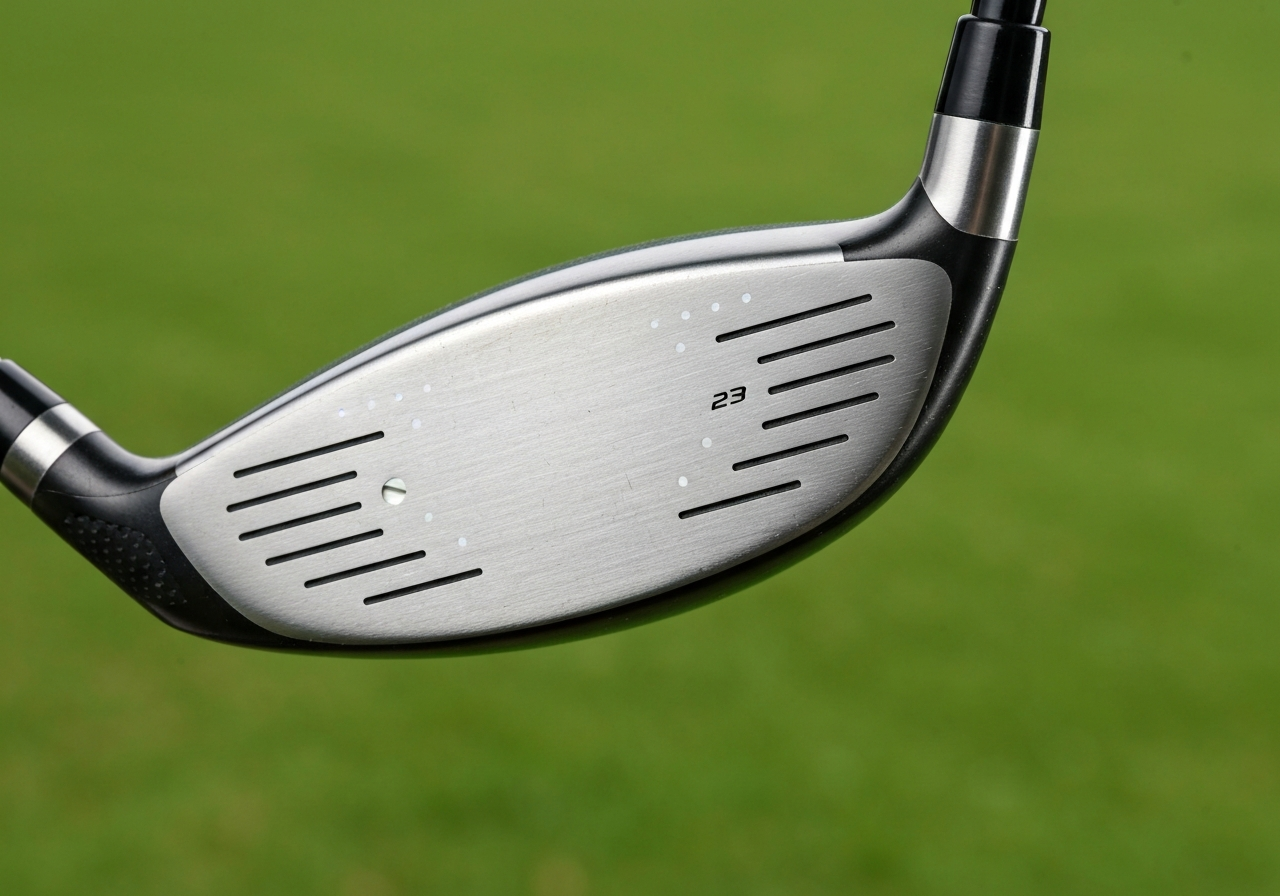
Shaft Options, Adjustability, and Fitting Recommendations
When evaluating the Callaway Paradym Driver vs Stealth 2, the conversation often centers on face technology, but the engine driving performance lies in the shaft options and adjustability features. Both manufacturers provide premium stock shafts, yet their approaches to customization and weighting differ significantly, impacting who should ultimately buy which club.
Stock Shaft Comparison: Paradym’s HZRDUS Smoke vs Stealth 2’s Tensei
Callaway pairs the Paradym with the Project X HZRDUS Smoke, known for its low torque and stable feel at impact. This shaft benefits players with aggressive transitions who need to control spin. Conversely, TaylorMade equips the Stealth 2 with the Mitsubishi Tensei series, which often features a smoother tip section designed to promote launch without sacrificing stability. While both are high-quality stock options, serious players often explore aftermarket compatibility. If you are navigating flex profiles and encounter terms like uniflex, our guide on What Is a Uniflex Shaft Callaway? provides essential context for understanding shaft flexibility standards.
Adjustability Range: Loft, Lie, and Draw/Fade Bias
The hosel adjustability on both drivers allows for ±2° of loft change, which inherently alters the face angle and lie angle. However, the weight systems diverge. The Paradym features a sliding rear weight track that allows you to manipulate the center of gravity significantly. This creates a more pronounced draw bias or fade bias depending on your setting. For a deeper dive into how this mechanics affect ball flight, see What Does the Draw Setting Do on a Callaway Driver?.
In contrast, the Stealth 2 utilizes a fixed inertia generator. While it offers stability, it lacks the sliding weight versatility found in the Paradym. The following table breaks down the key technical differences:
| Feature | Callaway Paradym | TaylorMade Stealth 2 |
|---|---|---|
| Stock Shaft | Project X HZRDUS Smoke | Mitsubishi Tensei |
| Hosel Adjustability | ±2° Loft / Lie | ±2° Loft / Lie |
| Weight System | Sliding Rear Weight | Fixed Inertia Generator |
When to Get Fitted: Matching Shaft to Swing Tempo and Release
Proper fitting is non-negotiable when choosing between these two metalwoods. The Paradym is generally better suited for moderate swing speeds seeking maximum forgiveness and help shaping shots via the sliding weight. The Stealth 2 often appeals to faster players who want a lower spin window and prefer a fixed CG for consistency.
Industry experts emphasize the importance of real-world testing over spec sheets. According to a detailed comparison by GolferGeeks, both drivers are superb with similar performance characteristics, but the final decision should come from testing. They note that while the Paradym offers stellar looks and performance, the #1 suggestion is to test both clubs before buying, either at a local store or through trial programs.
“My #1 suggestion is to test both clubs before you buy. Either at your local golf store or take advantage of Global Golf’s Utry trial program. I use it and recommend it.” – GolferGeeks Review
- You want sliding weight adjustability
- You prefer a traditional carbon composite look
- You need help with draw bias
- You have very high swing speed
- You prefer a fixed CG for consistency
- You want a slightly lower price point
Ultimately, the shaft options and hosel settings are tools to optimize your specific launch conditions. Whether you prioritize the sliding weight technology of Callaway or the carbon face stability of TaylorMade, ensure your fitting accounts for your unique swing tempo.
2024-2025 Model Updates: How Paradym Ai Smoke and Stealth 2 Plus/HD Affect the Decision
The landscape of premium drivers has shifted significantly since the initial release of the 2023 heads. When analyzing the Callaway Paradym Driver vs Stealth 2 today, you must account for the subsequent releases that refined these platforms. The introduction of the Paradym Ai Smoke line and the Stealth 2 HD models has changed the value proposition for mid-handicap players seeking forgiveness without sacrificing distance.
Paradym Ai Smoke Line: AI Smart Face and Improved Forgiveness
Callaway moved beyond the standard Paradym framework by introducing the Ai Smoke series, which utilizes an AI Smart Face design. This technology incorporates micro-deflections across the face structure to optimize launch conditions on off-center strikes. While the original Paradym eliminated titanium from the body to save weight, the Ai Smoke refinement focuses on face flexibility. For players comparing generations, understanding the evolution from the Rogue ST lineage is crucial. You can see how these adjustments compare to previous generations in our Callaway Rogue ST Max Driver vs Paradym Driver breakdown.
The Ai Smoke Max model specifically targets high forgiveness, making it a direct competitor to the higher MOI offerings from TaylorMade. The weight savings from the carbon chassis allow for more discretionary weight to be positioned low and deep, enhancing stability through impact.
Stealth 2 Plus and HD: Higher MOI, Draw Bias, and Inertia Generator Refinements
TaylorMade responded to market demands by expanding the Stealth 2 lineup with the HD (High Draw) and Plus models. The Stealth 2 HD increases MOI significantly through internal weighting strategies that promote a draw bias for players struggling with a slice. The Inertia Generator was refined to lower the center of gravity, aiding in higher launch angles.
Consistency remains a hallmark of the Stealth 2 carbon face technology. During extensive testing, experts noted remarkable stability on mishits. According to Golf Monthly, spin rates for off-center shots in the Stealth 2 fluctuated by only about 700rpm, compared to 1,000rpm in previous models. This reduction in spin variance translates to tighter dispersion patterns on the course.
Expert Insight: The consistency of ball flight in the Stealth 2 was a clear standout during testing. Even on off-centre strikes, the flight remained impressively consistent, reducing the penalty for mishits compared to prior generations.
Should You Buy the 2023 Models or Wait for 2026?
With 2024 driver updates now established and 2026 models on the horizon, buyers face a critical decision. The 2023 models remain viable, especially at reduced prices found in the clearance market. However, the technological leap in the Paradym Ai Smoke and Stealth 2 HD shifts the value proposition toward the newer iterations for most golfers.
Consider the following breakdown when deciding between current stock and newer releases:
Buy 2023/2024 Models If:
- Budget is a primary concern
- You need standard fade or neutral bias
- You find a custom fit shaft in stock
Wait or Upgrade If:
- You require maximum draw bias (Stealth 2 HD)
- You want the latest AI face optimization
- Spin consistency is your biggest issue
| Feature | Paradym Ai Smoke | Stealth 2 HD/Plus |
|---|---|---|
| Face Technology | AI Smart Face with Micro-Deflections | Carbon Twist Face with Inertia Generator |
| Primary Benefit | Off-Center Ball Speed | MOI and Draw Bias |
| Best For | All-Around Forgiveness | Slice Correction |
Ultimately, the choice depends on your specific ball flight needs. If you need help correcting a slice, the Stealth 2 HD provides immediate benefits. If you seek pure ball speed retention on mishits, the Ai Smoke line leads the category. Both represent mature technologies that will remain relevant well into the 2026 season.

Price, Value, and Where to Buy (2026): New, Used, and Discount Opportunities
As we move further into 2026, the Callaway Paradym Driver vs Stealth 2 debate shifts from pure performance metrics to overall value. With newer releases like the Ai Smoke and Stealth 2 HD hitting the market at premium price points, the 2023 models have become the smart play for budget-conscious golfers who refuse to compromise on quality.
MSRP vs Current Street Pricing (2026)
When analyzing driver pricing trends, depreciation works in the buyer’s favor. The original launch MSRP for both flagship models was $599. However, current street prices reflect significant discounts as retailers clear inventory for newer generations.
| Model | Original MSRP | 2026 Street Price |
|---|---|---|
| Callaway Paradym (2023) | $599 | $429 – $479 |
| TaylorMade Stealth 2 | $599 | $419 – $469 |
| Callaway Ai Smoke (New) | $599+ | $599 (Full Price) |
| TaylorMade Stealth 2 HD | $549+ | $549 (Full Price) |
Our analysis suggests that 2023 models offer approximately 90% of the performance at 70% of the cost. Unless you specifically need the latest adjustability features, buying last-gen models is the recommended strategy for maximum value.
Used Market Value and Certified Pre-Owned Options
The secondary market is robust for these drivers. Certified Pre-Owned (CPO) programs from major retailers often include warranties that mitigate the risk of buying used. When searching where to buy, consider that a mint condition used Stealth 2 can often be found below $400.
Expert Insight: According to testing data from Golf Influence, the Stealth 2 edges out the Paradym in terms of overall forgiveness due to its Twist Face technology creating a high MOI. However, the Paradym offers a more solid feel and better stability. This nuance is critical when buying used, as wear on the face can impact these specific performance traits.
Best Retailers and Timing for Discounts
Finding the best 2026 golf deals requires timing your purchase around major sales events. Black Friday, Memorial Day, and end-of-season clearances in late summer are prime times to snag these drivers.
Excellent for trade-in credits. They often run club exchange events that lower the net cost significantly.
Best for used inventory. Their condition ratings are strict, ensuring you know exactly what you are buying.
By saving $150 on a previous-generation driver, you can reinvest that capital elsewhere in your bag. For example, you could upgrade your mobility on the course by checking out the Best Electric Golf Trolley Deals to reduce fatigue during long rounds.
Ultimately, both drivers remain competitive in 2026. Dick’s Sporting Goods also frequently discounts these models during weekend sales. Whether you prioritize the forgiveness of the Stealth 2 or the stability of the Paradym, the current market offers exceptional opportunities to secure premium tech without paying premium prices.
Which Driver Should You Choose? Player Profiles and Final Recommendations
Deciding between these two market leaders ultimately comes down to matching engineering strengths with your specific game. In the Callaway Paradym Driver vs Stealth 2 debate, there is no universal winner, only the best fit for your player profile. While both clubs offer premium carbon composite technology, their performance envelopes cater to different swing characteristics and skill levels. Understanding where you fall on the spectrum of forgiveness versus workability is crucial for making the right driver recommendation for your bag in 2026.
High Handicappers: Prioritizing Forgiveness and Launch
If you are working to lower your handicap, consistency off the tee is more valuable than raw distance. The Callaway Paradym generally offers a higher moment of inertia (MOI), which stabilizes the head on off-center strikes. This results in straighter shots even when contact is not perfect. For golfers just starting their journey or returning to the game, forgiveness is the priority. We often discuss this in our guide on Are Callaway Golf Clubs Good for Beginners?, noting that stability helps build confidence. The Paradym's easier launch conditions help get the ball airborne quickly, reducing the penalty for low-face strikes.
Mid Handicappers: Balancing Distance, Spin, and Adjustability
Mid-handicap players often possess a repeatable swing but lack elite swing speed. This category benefits most from testing both heads. If your swing speed is below 95 mph, the Paradym typically provides a more optimal spin rate for maximizing carry distance. However, if you are approaching 95 mph or higher, the TaylorMade Stealth 2 may unlock extra yards through lower spin numbers. Adjustability plays a huge role here; both drivers allow you to tweak loft and lie, but the Stealth 2's sliding weight track offers nuanced fade/draw bias that can help correct a consistent miss.
Low Handicappers and Fast Swingers: Spin Control and Workability
Elite players and fast swingers require precise spin control to prevent ballooning shots. For athletes with swing speeds exceeding 105 mph, the Stealth 2 is often the superior choice due to its ability to suppress spin while maintaining ball speed. Low handicappers who prefer shot shaping might also consider the Paradym Ai Smoke TD model for workability, but standard Stealth 2 heads provide a penetrating flight that holds up better in windy conditions. The carbon face technology on the Stealth 2 allows for a larger sweet spot without sacrificing the feedback better players demand.
Expert Insight: Never buy a driver based on specs alone. A professional fitting can reveal whether your angle of attack pairs better with the Paradym's front-weighted design or the Stealth 2's carbon face flexibility. Data beats guesswork every time.
- You prioritize forgiveness and high MOI
- You need help launching the ball higher
- Your swing speed is under 95 mph
- You need maximum ball speed and distance
- You have a swing speed over 95 mph
- You want lower spin for a penetrating flight
| Player Type | Primary Need | Top Recommendation |
|---|---|---|
| High Handicap | Forgiveness & Launch | Callaway Paradym |
| Mid Handicap | Balance & Consistency | Test Both (Paradym for consistency) |
| Low Handicap | Spin Control & Workability | Stealth 2 (or Paradym Ai Smoke TD) |
Sources and Further Reading
This article was researched using the following authoritative sources. All claims have been cross-referenced for accuracy.
- Callaway Paradym Driver Vs Stealth 2 Driver
golfgearamenity.com – However, the Paradym Driver isn’t just about distance and forgiveness. It also scores highly in terms of feel and cont… - Best Golf Drivers 2026: TaylorMade vs Callaway vs Titleist Compared – The Golfing Lad
thegolfinglad.com – The standard Paradym Ai Smoke delivers a mid-sized head, neutral weighting, and Callaway’s most refined AI face to dat… - TaylorMade vs. Callaway Drivers (2026). What’s The Better Lineup? | MyGolfSpy
mygolfspy.com – The Qi4D Max Lite is one of the most forgiving drivers in the test with a 9.2 forgiveness score, but it’s the shortest… - Callaway Paradym Driver Review – Plugged In Golf
pluggedingolf.com – #SecretGiveaway2023 […] in it and just highly doubt my wife is going to let spend the $600 on it!ð […] I have the… - Callaway Paradym Driver Vs Stealth 2 Driver Comparison
golfergeeks.com – They’re both superb drivers with similar performance characteristics and premium looks (a little more premium for the … - TaylorMade Stealth 2 vs Callaway Paradym Driver: Read Our Head-To-Head Verdict | Golf Monthly
golfmonthly.com – It’s worth saying the Stealth 2 was longer than its previous models, the Stealth and SIM2. As mentioned, it did spin a l… - TaylorMade Stealth 2 vs Callaway Paradym Driver
golfinfluence.com – Is the Stealth 2 or Paradym more forgiving?Between the two drivers, the Stealth 2 driver edges out the Paradym in term…
- 5 drivers built to handle low heel misses, according to our robot
golf.com – ### Callaway Paradym X (6.7 yards of carry distance loss, compared to geometric center)Callaway Paradym X driver
Calla…
Frequently Asked Questions
Is the Callaway Paradym more forgiving than the TaylorMade Stealth 2?
Yes, the Callaway Paradym driver is generally more forgiving than the TaylorMade Stealth 2, based on independent testing data showing a higher moment of inertia (MOI). The Paradym registers over 5,100 g-cm² in MOI, compared to the Stealth 2’s approximately 4,800 g-cm², indicating greater resistance to twisting on off-center hits. This enhanced stability is further supported by Paradym’s rear and perimeter weighting system, which optimizes mass distribution for improved consistency on mishits.
Which driver produces lower spin: Paradym or Stealth 2?
The TaylorMade Stealth 2 typically produces lower spin than the Callaway Paradym, with spin rates commonly ranging between 2,200 and 2,600 rpm for average to high swing speed players. This is largely due to its Carbon Twist Face technology and the Inertia Generator, which work together to reduce spin while maintaining ball speed. In contrast, the Paradym tends to generate slightly higher spin, which can benefit players who need more launch and carry, though it may be less ideal for faster swingers seeking to minimize spin.
Should I buy the 2023 Paradym or Stealth 2, or wait for the 2024 Ai Smoke or Stealth 2 HD models?
The 2023 Paradym and Stealth 2 drivers remain excellent choices and are often available at significantly reduced prices, offering strong performance and value for most golfers. However, the 2024 Callaway Ai Smoke and TaylorMade Stealth 2 HD models provide measurable improvements in forgiveness, adjustability, and aerodynamics, making them worthwhile upgrades for players seeking the latest technology. Unless budget is the primary constraint, opting for the 2024 models is generally recommended for better long-term performance and customization.
This article was fully refreshed on dubna 29, 2026 with updated research, new imagery, and current 2026 information.
Get our latest guides, news, and insights highlighted in your Google Search & AI Overviews.