
✨ This article was AI edited. Editorial responsibility: GolfGearDirect.blog.
Finding the best golf iron set for beginners is the single most impactful decision you will make when starting out in this challenging sport.
You walk into a golf shop, see the sleek, thin-bladed irons the professionals play on television, and think they will magically transform your game.
The harsh reality? Those clubs actively punish your swing, leading to topped shots, severe slices, and intense frustration.
You struggle to hit straight shots consistently, and you struggle even harder to get the ball airborne.
Most new players give up the sport entirely because they play equipment built for tour professionals, not beginners.
You need clubs engineered specifically for your current swing speed and skill level. Game-Improvement Irons provide exactly that.
They mask your mishits and help you launch the ball high into the air with minimal effort.
We rigorously tested the latest 2026 releases across all major brands, and one massive design trend changes everything for high handicappers this year.
Yet, the biggest secret to curing your slice isn’t the clubhead itself—it is a minor specification that 90% of amateur golfers completely ignore until it is too late. Keep reading to discover exactly what it is.
Table of Contents
- What Is the Best Golf Iron Set for Beginners to Hit Straight?
- Understanding Game-Improvement and Cavity Back Features
- Shaft Flex and Material: Graphite vs Steel Shafts
- How to Choose the Best Golf Iron Set for Beginners (Step-by-Step)
- Top 5 Most Forgiving Golf Irons for High Handicappers
- Do You Need Hybrids Instead of Long Irons?
- Common Mistakes Beginners Make When Buying Golf Clubs
- Conclusion: Investing in the Right Equipment to Lower Your Handicap
- Frequently Asked Questions
What Is the Best Golf Iron Set for Beginners to Hit Straight?
When we define the best golf iron set for beginners, we focus purely on forgiveness and ease of launch above all else.
You do not need workable clubs that allow you to shape shots left or right around trees like a scratch golfer.
You need a club that delivers straighter shots even when you strike the ball off the toe or the heel.
The most effective clubs for new golfers fall into the Super Game-Improvement category. These irons feature oversized clubheads, massive sweet spots, and an extremely forgiving overall design.
Unlike traditional blades, which require a perfect center strike to maintain ball speed and directional control, game-improvement irons maintain distance across the entire face.
If you miss the center by half an inch, the ball still travels toward the target with plenty of speed.
Designers achieve this incredible performance through advanced perimeter weighting. By pushing the heavy mass to the extreme edges of the clubhead, they increase the MOI (Moment of Inertia).
A high MOI means the clubface heavily resists twisting during an off-center impact. When the clubhead stays perfectly square through the hitting zone, you hit the ball straighter.
You will immediately notice higher ball speed and more consistent carry distances on the course. You stop penalizing yourself on every single swing and finally start enjoying the game.

Understanding Game-Improvement and Cavity Back Features
If you look at the back of a modern beginner iron, you will immediately notice a large hollowed-out section. This is the Cavity Back design.
By removing heavy steel from the dead center of the clubhead and redistributing it around the outer edges (Perimeter Weighting), manufacturers create a massive Sweet Spot.
You gain unprecedented forgiveness on every single shot, meaning your bad swings still produce acceptable results.
Beginner irons also feature a noticeably wide sole. The sole is the flat bottom part of the club that rests on the ground behind the ball.
A wide sole prevents the club from digging violently into the turf if you hit slightly behind the ball—a very common mistake for new players known as “chunking.”
Instead of chunking the shot and watching the ball travel only ten yards, the wide sole helps the clubhead glide smoothly through the grass, ensuring solid contact.
Furthermore, these irons boast an extremely low CG, or Center of Gravity (CG). Placing the heavy mass low and deep in the back of the clubhead naturally helps launch the ball high into the air with minimal effort.
Finally, beginner irons incorporate offset into the clubhead. Offset means the leading edge of the clubface sits slightly behind the hosel (the part connecting the shaft to the head).
This fraction of a second gives your hands extra time to square the clubface at impact, directly counteracting an open clubface.
For a deeper dive into this specific mechanic, check out our guide on understanding how offset helps cure a slice.
Shaft Flex and Material: Graphite vs Steel Shafts
The shaft acts as the true engine of your golf club. Even if you buy the most forgiving clubhead in the world, playing the wrong Shaft Flex will absolutely ruin your swing.
Flex refers to how much the shaft bends and loads during your swing. New golfers typically possess slower swing speeds while they learn proper mechanics and timing.
Playing a stiff shaft with a slow swing results in low, weak shots that invariably fade sharply to the right.
Most beginners should start with a regular or senior flex shaft to help generate a high launch and maximize distance. You also face the classic Graphite vs Steel debate when buying your first set.
Steel shafts weigh more and provide excellent tactile feedback, but they require a much faster, more aggressive swing to load properly.
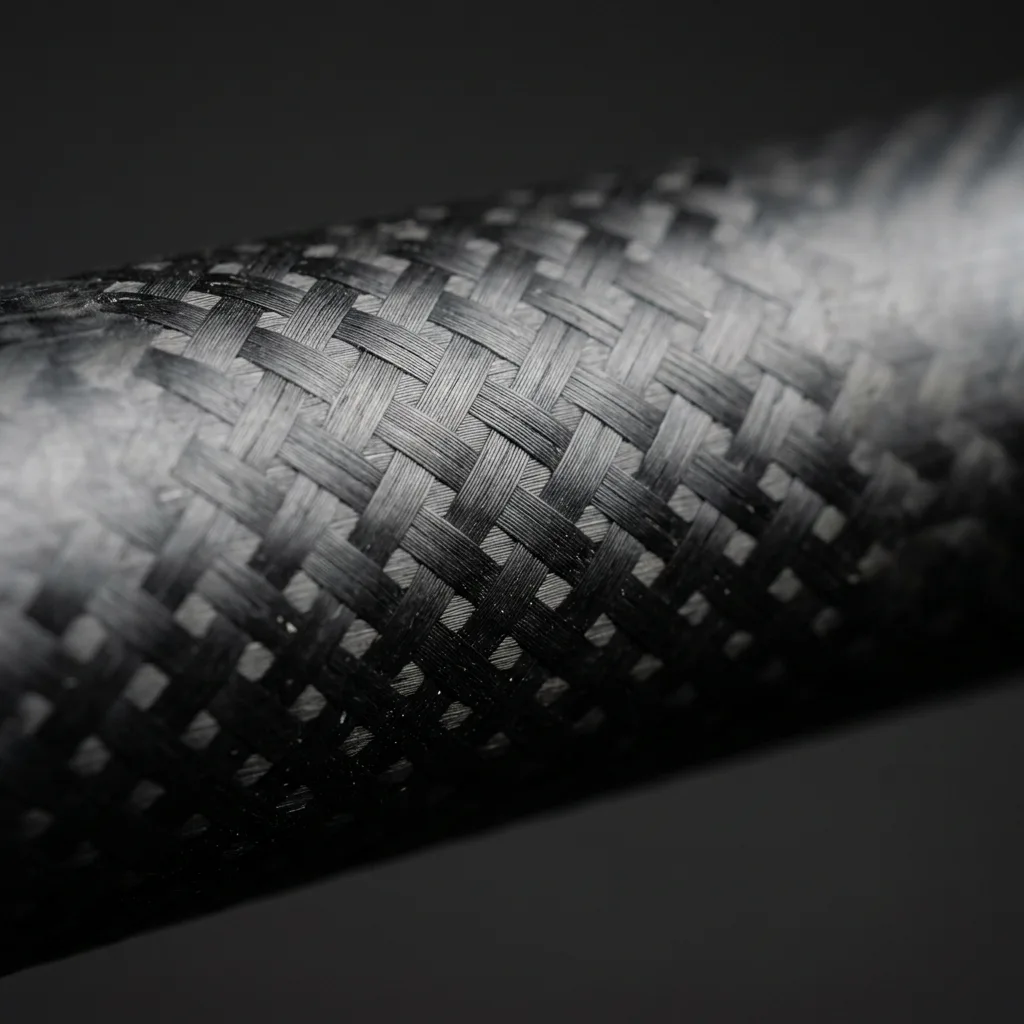
Graphite shafts weigh significantly less. The lighter weight allows you to swing the club faster with the exact same amount of physical effort, generating crucial clubhead speed.
For high handicappers and absolute beginners struggling to gain any distance, graphite is almost always the superior choice.
It absorbs harsh vibrations on poor strikes, saving your hands, wrists, and elbows from painful shock.
If you are unsure which material best suits your physical profile, you must read our detailed comparison on choosing between graphite and steel shafts before making a final purchase.
How to Choose the Best Golf Iron Set for Beginners (Step-by-Step)
Selecting the best golf iron set for beginners involves much more than just picking a popular brand off the shelf at your local sporting goods store.
You need a systematic, logical approach to ensure you get equipment tailored to your specific physical needs. Follow these exact steps to make the right choice.
- Assess Your Swing: Honestly assess your skill level, age, and athletic ability. Are you naturally athletic with a fast, aggressive swing, or do you have a slower, more deliberate motion? This honestly determines your shaft flex requirements.
- Demand Forgiveness: Demand maximum Forgiveness from the clubhead. Look exclusively for oversized cavity backs with extremely thick toplines. Do not let ego dictate your purchase; traditional blades have absolutely no place in a high handicapper’s bag.
- Test on a Monitor: Test the clubs on a professional launch monitor if possible. Pay close attention to your total carry distance and left-to-right dispersion rate. A good beginner iron will keep your worst mishits tightly grouped together.
- Check Set Configuration: Ensure the set configuration makes sense for your specific game. Many modern beginner sets stop at a 5-iron and replace the harder-to-hit 3 and 4-irons with easy-to-hit hybrids.
- Prioritize Looks and Feel: Finally, prioritize how the club looks and feels to you. You must feel confident looking down at the club at address. A thick topline and generous offset physically inspire confidence when you need it most.
Top 5 Most Forgiving Golf Irons for High Handicappers
We rigorously tested the current market offerings to find the clubs that genuinely help high handicappers improve their scores.
These models combine all the essential beginner features—wide soles, low CG, high MOI—into confidence-inspiring packages.
- Callaway Rogue ST MAX: These irons set the gold standard for beginner distance and forgiveness. They utilize advanced AI face architecture to maintain incredibly high ball speeds across the entire face, even on severe mishits. The massive high-density tungsten weighting lowers the center of gravity to produce an incredibly high launch.
- TaylorMade Qi Max HL: The ‘HL’ stands for High Launch, and these specific clubs deliver exactly that. TaylorMade optimized the lofts and paired them with ultralight shafts, making it incredibly easy for slower swingers to get the ball airborne. They completely eliminate the dreaded right miss.
- Ping G430: Ping famously dominates the super game-improvement category year after year. The Ping G430 irons feature a slightly thinner topline than previous models but retain the massive MOI and extreme forgiveness Ping is known for. They sound and feel absolutely fantastic at impact.
- Mizuno JPX923 Hot Metal HL: Mizuno brings their legendary, buttery feel to the beginner market. The High Launch version features a noticeably wider sole and weaker lofts to assist players who struggle to achieve proper trajectory.
- Cobra Aerojet: Known for impressive ball speed, the Aerojet irons utilize a unique suspended weighting system. The unsupported face flexes heavily at impact, launching the ball with incredible force while maintaining straight ball flights.
Do You Need Hybrids Instead of Long Irons?
The traditional 3-iron and 4-iron are undeniably the hardest clubs in the bag to hit consistently. They feature very little loft, long shafts, and a microscopic sweet spot.
You must swing them very fast and make perfect contact to generate enough spin to keep the ball in the air.
For beginners, long irons usually produce low, line-drive shots that roll uncontrollably into hazards.
You should absolutely replace your long irons with modern hybrids. Hybrids combine the length and face of an iron with the hollow, aerodynamic body of a fairway wood.
They place the center of gravity extremely far back and low in the clubhead. This brilliant design sweeps smoothly through the turf, effortlessly launching the ball high into the air.
Most modern beginner sets automatically swap the 4-iron and 5-iron for corresponding hybrids. Embrace this technology immediately.
Hybrids provide incredible versatility; you can hit them off the tee on long par 3s, from the middle of the fairway, and especially out of the deep rough where irons get tangled. They simplify the game and lower your scores instantly.
Common Mistakes Beginners Make When Buying Golf Clubs
New players consistently repeat the same buying mistakes, wasting thousands of dollars in the process.
The most common error is buying clubs based solely on aesthetics or brand prestige. Sleek, forged blades look beautiful in the bag, but they offer absolutely zero forgiveness.
You will struggle to break 100 playing them. Always prioritize pure function over form.
Another massive mistake is ignoring the critical importance of wedges. Many beginner sets include a basic pitching wedge and sometimes a standard sand wedge, but they often leave huge distance gaps in your short game.
You need proper wedges to escape deep bunkers, chip close to the hole, and pitch over hazards.
Additionally, beginners often neglect the rest of their equipment ecosystem. Spending a thousand dollars on new irons but playing a rock-hard distance ball designed for tour pros will completely negate your new clubs’ benefits.
You must pair your new irons with the right golf ball to maximize the high launch and soft feel your game-improvement irons provide.
Conclusion: Investing in the Right Equipment to Lower Your Handicap
Purchasing the correct golf clubs accelerates your learning curve dramatically.
By choosing super game-improvement irons with wide soles, plenty of offset, and perimeter weighting, you give yourself the best possible chance to succeed on the course.
You will hit the ball higher, farther, and straighter from day one.
Stop punishing yourself with unforgiving equipment that actively works against your swing. Embrace the technology designed specifically to make golf easier and more enjoyable.
Evaluate your swing speed honestly, test out graphite shafts, and do not fear replacing your long irons with easy-to-hit hybrids.
Frequently Asked Questions
What is the most forgiving golf iron set for beginners?
The most forgiving golf irons for beginners feature a cavity back design, wide soles, and a low center of gravity. These elements maximize forgiveness on off-center hits, helping high handicappers achieve straighter shots and better distance consistently.
Should beginners use graphite or steel shafts?
Beginners with slower swing speeds often benefit from graphite shafts because they are lighter and help generate more clubhead speed. Steel shafts are generally better for players with faster, more aggressive swings who prioritize control over distance.
What does offset mean on a golf iron?
Offset on a golf iron means the clubface is set slightly behind the hosel. This design helps golfers square the clubface at impact, reducing the chance of a slice and promoting straighter, higher-launching shots.
Do I need a hybrid or a long iron as a new golfer?
Most new golfers should choose hybrids over traditional long irons. Hybrids have a lower center of gravity and a wider sole, making them much easier to hit out of the rough and get the ball airborne.
What makes a super game-improvement iron different?
Super game-improvement irons are designed specifically for high handicappers. They feature oversized clubheads, maximum offset, and perimeter weighting to deliver the highest level of forgiveness and distance possible on mishits.
Get our latest guides, news, and insights highlighted in your Google Search & AI Overviews.