
The best driver for 20 handicap golfer is a highly forgiving Max model like the PING G440 K or TaylorMade Qi4D, engineered specifically to correct off-center strikes and reduce side spin.
Most weekend players sabotage their scorecards by purchasing tour-level equipment. These demanding clubs actively punish every minor mishit you make.
You swing aggressively, but that brutal slice still robs you of 30 crucial yards off the tee. You lose confidence. You hit provisional balls.
You struggle to break 90. Your swing mechanics might need work, but your equipment should never make the game harder.
Elite players demand workability to shape shots around doglegs. You simply need the ball to fly straight down the fairway.
Standard drivers feature forward-placed weighting that exacerbates your swing flaws. Yet, changing one invisible structural metric inside your clubhead completely neutralizes that destructive curve.
We analyzed the top 2026 releases against data from hundreds of amateur swings. One specific weight distribution strategy effectively erases the dreaded 20-handicap slice. The breakdown below reveals exactly how this technology works.
Table of Contents
- What is the Best Driver for 20 Handicap Golfer?
- Why Forgiveness and Moment of Inertia Matter Most
- Top 2026 Max Models: PING G440 K vs TaylorMade Qi4D
- How a Draw Biased Driver Can Fix Your Slice
- Choosing the Right Regular Flex Shaft and Launch Angle
- The Role of a Club Fitter in Finding Your Driver
- Common Mistakes When Buying a New Driver
- Conclusion: Ready to Hit More Fairways?
- Frequently Asked Questions
What is the Best Driver for 20 Handicap Golfer?
If you want immediate results, the absolute top choice for 2026 is the PING G440 K. This club redefines the modern Max model by maximizing stability across the entire face.
You achieve incredible Forgiveness even when your swing path falters. The TaylorMade Qi4D follows closely behind as an elite alternative for players seeking a carbon-wood feel.
You must prioritize models built for extreme stability rather than workability. Professional golf drivers feature forward weighting to help elite players shape their shots.
You do not need shot shaping. You need the ball to fly straight. A high-stability clubhead prevents the face from twisting open at impact.
These massive 460cc clubheads inspire confidence at address. You look down and see a weapon designed to launch the ball effortlessly.
The large footprint physically pushes the weight away from the face. You keep the ball in play effortlessly. You hit your second shot from the short grass instead of the pine straw.

Why Forgiveness and Moment of Inertia Matter Most
Moment of Inertia (MOI) measures a clubhead’s resistance to twisting during impact. High MOI directly translates to massive Forgiveness.
When you strike the ball off the toe or heel, a low-MOI driver twists violently in your hands. This twisting transfers side spin to the golf ball. It also kills your ball speed instantly.
Manufacturers achieve high MOI by pushing the center of gravity low and deep into the back of the clubhead.
This rear weighting stabilizes the entire chassis. You maintain maximum clubhead speed even on a terrible strike.
Your ball still travels a respectable distance down the fairway. You stop losing 40 yards on a slight miscue.
A 20 handicap golfer absolutely needs a driver with MOI approaching the 10,000k threshold. This benchmark represents the pinnacle of modern golf engineering.
You basically get a built-in safety net for your swing. The club does the hard work of keeping the face square.
The physics dictate that a stable face delivers more energy to the ball. You generate a higher smash factor (the ratio of ball speed to club speed).
Your drives carry bunkers that used to swallow your golf balls. You play golf from the offensive instead of constantly scrambling from the rough.
Top 2026 Max Models: PING G440 K vs TaylorMade Qi4D
The 2026 market offers four standout options for players fighting inconsistent contact. Each brand tackles the forgiveness challenge differently, utilizing unique materials and weight placements.
The PING G440 K remains the undisputed king of stability. PING engineers expanded the Sweet Spot by 15% compared to previous generations.
You can practically hit the ball off the crown and still find the fairway. The sound feels incredibly solid, giving you instant positive feedback.
They utilized a new forged titanium face that flexes uniformly. You get explosive ball speeds across a massive impact zone.
The TaylorMade Qi4D introduces carbon-wood construction optimized for straight distance. TaylorMade eliminated the fade bias completely. Their new face design corrects misaligned strikes automatically.
You swing freely knowing the club fights your natural tendency to slice. The lightweight carbon crown allows engineers to reposition weight lower in the chassis. This design drastically improves your launch conditions.
The Cobra OPTM Max K provides exceptional value and aerodynamic speed. Cobra utilizes a highly refined rear weight track. You launch the ball effortlessly into the air.
This model suits players who struggle to generate enough initial height on their drives. The milled face delivers precise spin control, preventing the ball from ballooning into the wind.
The Titleist GTS2 brings premium aesthetics to the game-improvement category. Titleist traditionally focused on elite players. The GTS2 changes that narrative entirely.
You get a massive profile behind the ball that inspires total confidence. The aerospace-grade titanium face delivers extreme ball speeds across a massive area. You experience an incredibly pleasing acoustic profile at impact.
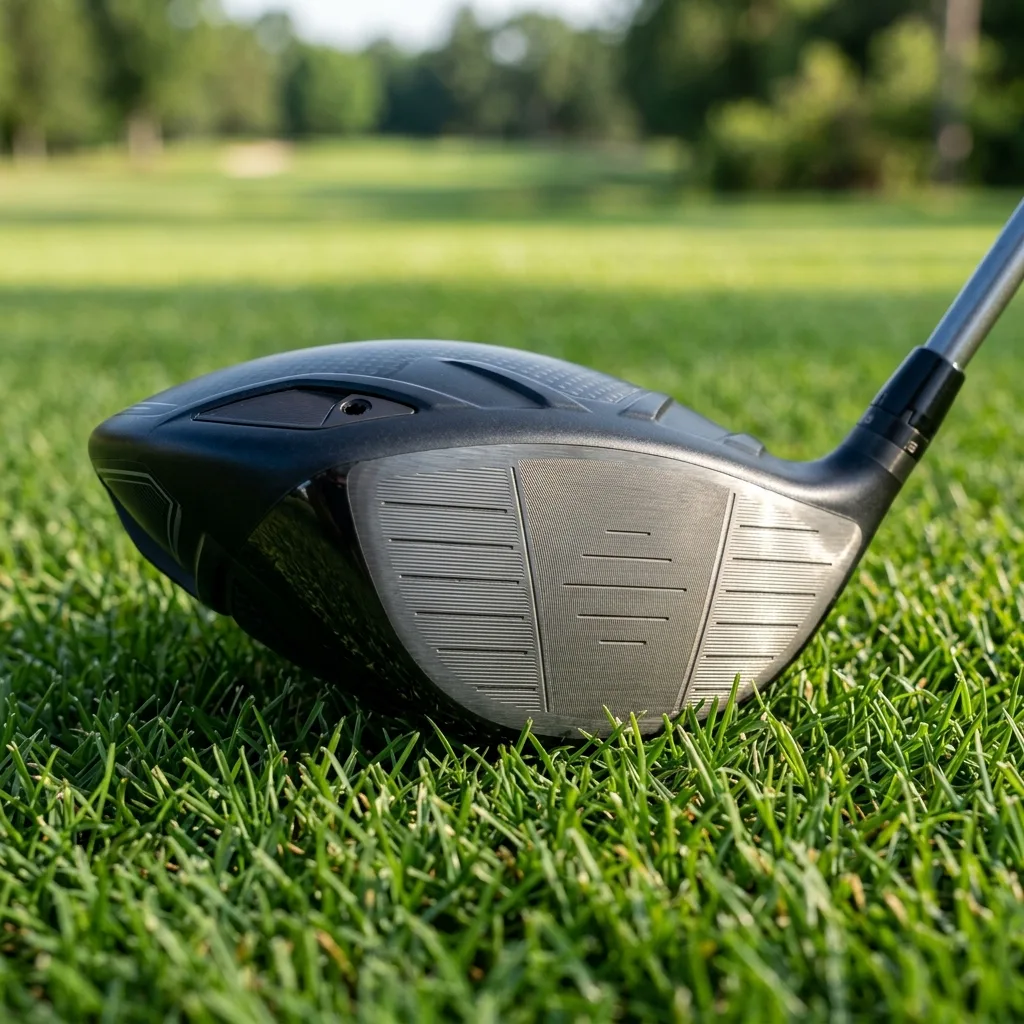
How a Draw Biased Driver Can Fix Your Slice
A slice ruins more scorecards than any other swing flaw. You cut across the ball, leaving the clubface wide open. A draw biased driver directly combats this exact mechanical error.
Engineers place heavy tungsten weights deep in the heel of the club.
This heel weighting accelerates the toe through the hitting zone. The clubface squares up naturally before you strike the ball. You experience immediate relief from that looping right turn.
Built-in Draw Bias literally corrects your ball flight mid-air.
You can also use an adjustable hosel to fine-tune this effect. Adding loft slightly closes the face angle at address. You visually see a clubhead that wants to go left.
You stop aiming down the left tree line out of fear. You finally aim straight down the middle of the fairway.
Many players fight their equipment unnecessarily. A standard neutral driver requires perfect timing to square the face.
A draw-biased model actively assists your release. You do not need to manipulate your hands through impact. You simply make an aggressive swing and let the weighting physics handle the face angle.
Choosing the Right Regular Flex Shaft and Launch Angle
Your Shaft Flex determines how efficiently you transfer energy to the golf ball. Playing a stiff shaft ruins your timing. A regular flex shaft perfectly matches the 85 to 95 mph swing speed common among 20 handicappers.
The shaft loads and unloads properly, kicking the clubhead through impact with maximum force.
You also need to optimize your Launch Angle for maximum carry. Many amateurs stubbornly play a 9-degree driver. This low loft requires immense speed to keep the ball airborne.
You should choose a 10.5 or 12-degree head instead. Higher loft creates backspin, which acts like airplane wings to lift the ball. This added backspin simultaneously minimizes destructive side spin.
You hit the ball higher, straighter, and considerably farther.
The shaft profile also influences ball flight. A low-kickpoint shaft helps launch the ball higher. This pairs perfectly with a 10.5-degree head to maximize your carry distance.
You stop hitting low bullet drives that dive quickly into the turf. You watch the ball soar majestically over fairway hazards. You effectively buy extra distance simply by matching the correct shaft to your natural swing speed.
The Role of a Club Fitter in Finding Your Driver
Buying a driver straight off the retail rack gambles your money away. A professional Club Fitter utilizes advanced launch monitors to track your exact ball flight.
They measure your unique spin rate, attack angle, and ball speed.
They swap out different heads and shafts until the numbers peak. You immediately see which combination yields the best results. Finding the optimal driver for distance requires hard data, not guesswork.
A fitting session removes all doubt from your purchase. You know definitively that the club in your hands maximizes your specific swing mechanics.
You walk onto the first tee with absolute certainty. You trust your equipment completely.
The fitter also adjusts the swing weight of the club. A heavier clubhead might slow you down, while a lighter one might mess with your rhythm.
They dial in every single variable. You leave the bay with a driver built specifically for your body and your swing. The investment in a proper fitting pays off every time you find the fairway instead of the woods.
Common Mistakes When Buying a New Driver
Golfers constantly repeat the same buying errors. You purchase the driver your favorite tour pro plays. You buy a club based solely on aesthetics. You refuse to accept a higher loft out of sheer ego.
Stop making these expensive mistakes. Tour players possess wildly different swing mechanics than a weekend warrior.
Their equipment specifically reduces spin to prevent ballooning ball flights. Your equipment needs to increase spin to keep the ball in the air.
Embrace the large, confidence-inspiring footprint of a Max model. Accept the higher loft. Play the softer shaft. Let the engineering work for you instead of against you. You will immediately see lower scores on your scorecard.
Another major error involves ignoring shaft length. Stock drivers often measure 45.75 inches long. This excessive length maximizes potential speed but destroys consistency.
You struggle to strike the center of the face. Cutting the shaft down to 44.5 inches drastically improves your contact. You strike the center more often, which actually increases your overall distance despite the shorter club.
Conclusion: Ready to Hit More Fairways?
Your next round of golf does not have to be a struggle. You hold the power to transform your tee game right now. Upgrade your bag with a high-MOI, hyper-forgiving 2026 driver.
You will eliminate the right side of the golf course. You will hit shorter approach shots from the fairway. Review our frequently asked questions below to finalize your decision.
Frequently Asked Questions
What driver loft is best for a 20 handicap?
Most 20 handicap golfers benefit from a driver loft between 10.5 and 12 degrees. A higher launch angle maximizes distance and reduces side spin, helping you hit straighter drives even on off-center strikes.
Do I need a draw biased driver for my slice?
If your main swing flaw is a slice, a draw biased driver is extremely effective. These drivers use internal weighting to help square the face at impact, providing straighter shots and better consistency.
Why is a Max model driver better for high handicappers?
Max models offer maximum forgiveness by utilizing a high Moment of Inertia (MOI). This design keeps the clubhead stable during mishits, meaning you lose less ball speed and distance when you don’t strike the center.
Should a 20 handicap golfer use a regular flex shaft?
Your shaft flex depends on your clubhead speed, not your handicap. However, since most 20 handicap players have an average swing speed of 85-95 mph, a regular flex shaft is usually the ideal choice.
How important is custom fitting for a 20 handicap?
A professional club fitter is highly recommended for a 20 handicap. They analyze data like spin rate and launch angle to ensure your driver’s center of gravity and shaft flex match your unique swing.
Get our latest guides, news, and insights highlighted in your Google Search & AI Overviews.